Apple’s Smart Home Hub Push Set To Hand JB Hi-Fi, The Good Guys And Harvey Norman A New Sales Category
 David Richards
12 Oct 2026
David Richards
12 Oct 2026
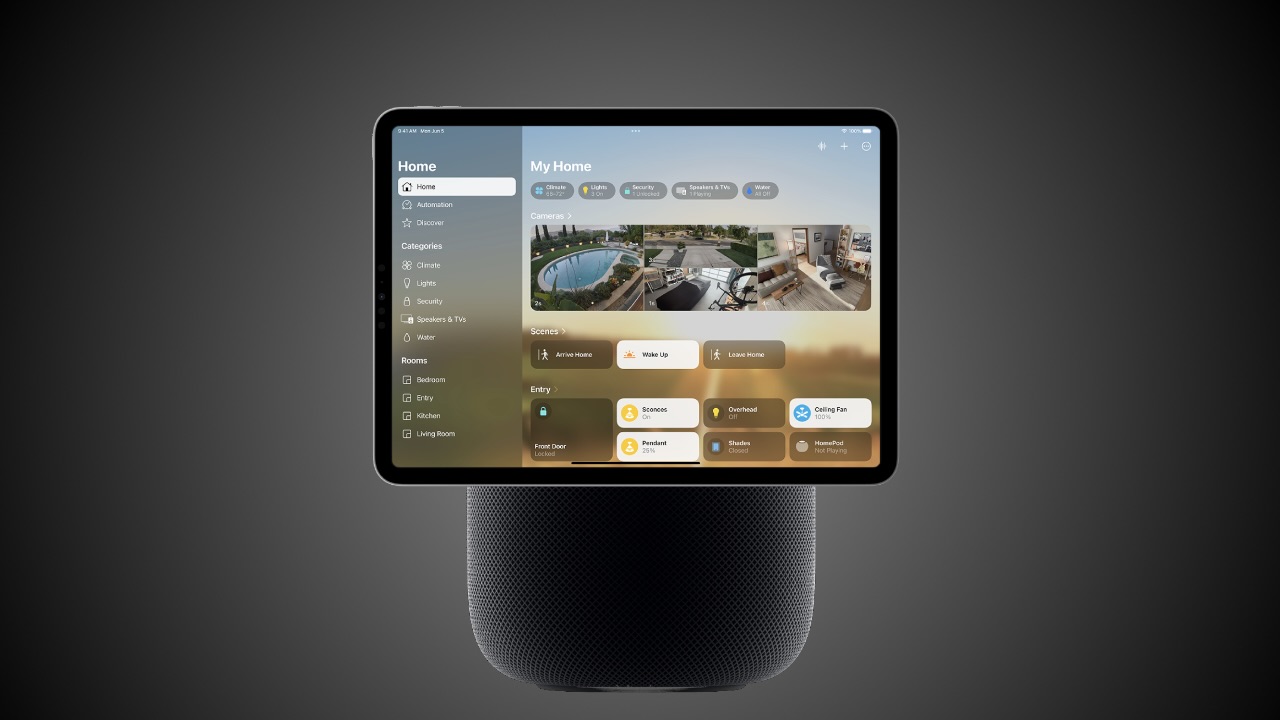
Australian retailers JB Hi-Fi, The Good Guys and Harvey Norman stand to benefit from Apple’s second attempt to take control of the smart home, with the company set to unveil a screen-based home hub on Tuesday (US time) and LG building a range of compatible locks, doorbells, cameras and thermostats.
The launch could revive demand for smart home attach devices, a category that has struggled to reach the mass market outside the Amazon and Google camps.
For retailers, the appeal is a ready-made customer base. Hundreds of millions of iPhone users worldwide already have Apple’s Home app built into iOS, meaning compatible devices can be set up and automated without a separate app or platform. A single Apple-endorsed ecosystem could also make smart home products easier to sell on the shop floor than the current fragmented mix of standards and apps.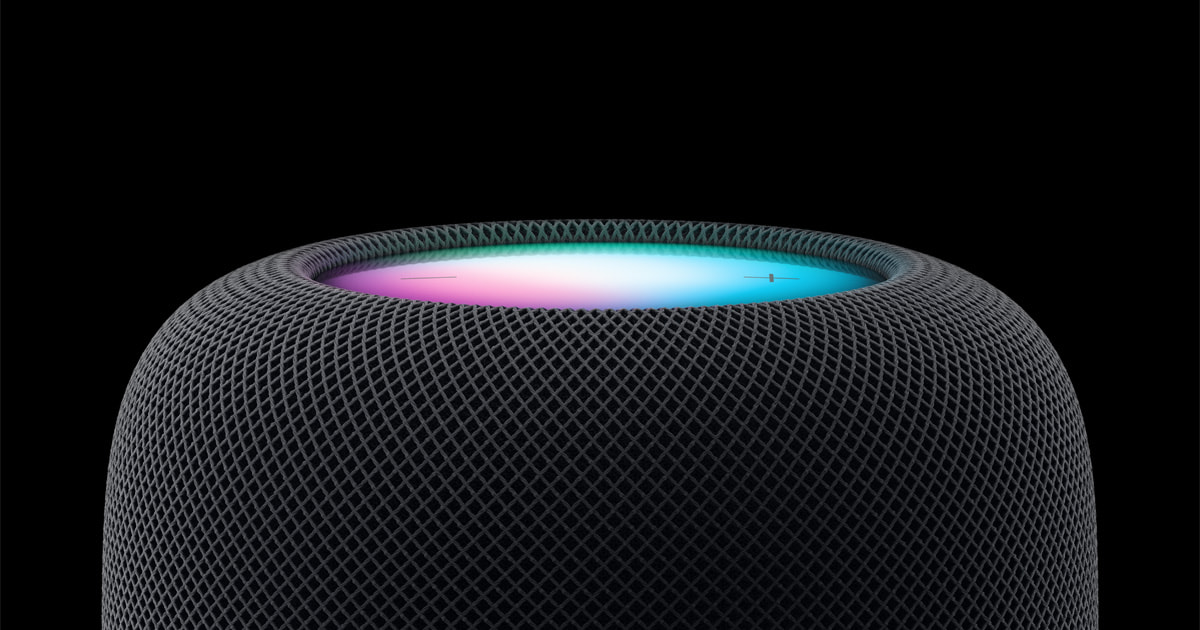
The LG tie-up adds a second advantage. LG televisions and appliances already have established shelf space across all three retailers, giving the new accessories a natural home alongside Apple’s own devices.
The launch is the first new product category under Apple chief executive John Ternus, who took over from Tim Cook on 1 September, and is a key test of his push to grow Apple’s revenue beyond the iPhone, iPad, Mac and Services.
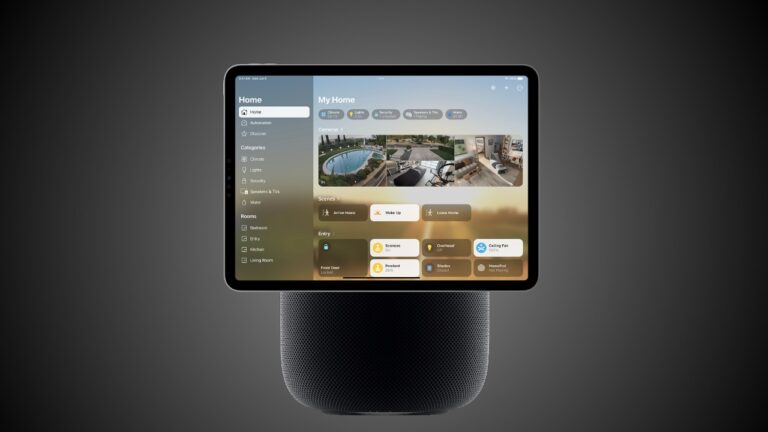
According to Bloomberg, the centrepiece is a hub code-named J490, with a 6-inch square touchscreen mounted on a speaker base. It will come in countertop and wall-mounted versions and use a built-in camera and microphones to recognise individual household members, then display their calendar, messages, notes and contacts. A visitor mode hides personal data from guests.
Apple is also expected to release an updated HomePod mini, its first since 2020, and a new Apple TV box, its first since 2022. All three devices are built around Apple’s revamped, AI-powered Siri.
The hub was originally due earlier but was delayed in March this year because the new Siri was not ready.
LG to build doorbells, locks and cameras
Alongside its own hardware, Apple has been developing a range of smart home accessories with LG Electronics, including a video doorbell, smart deadbolt lock, thermostat, temperature sensor, and indoor, outdoor and floodlight cameras.
ChannelNews has previously reported that the devices will carry LG branding, with LG responsible for manufacturing and customer support, while Apple contributes design, functionality and engineering.
Several of the products have already appeared in regulatory filings under the LG name. Bloomberg reports the LG accessories are running behind Apple’s own devices and are not expected to reach consumers for at least several months.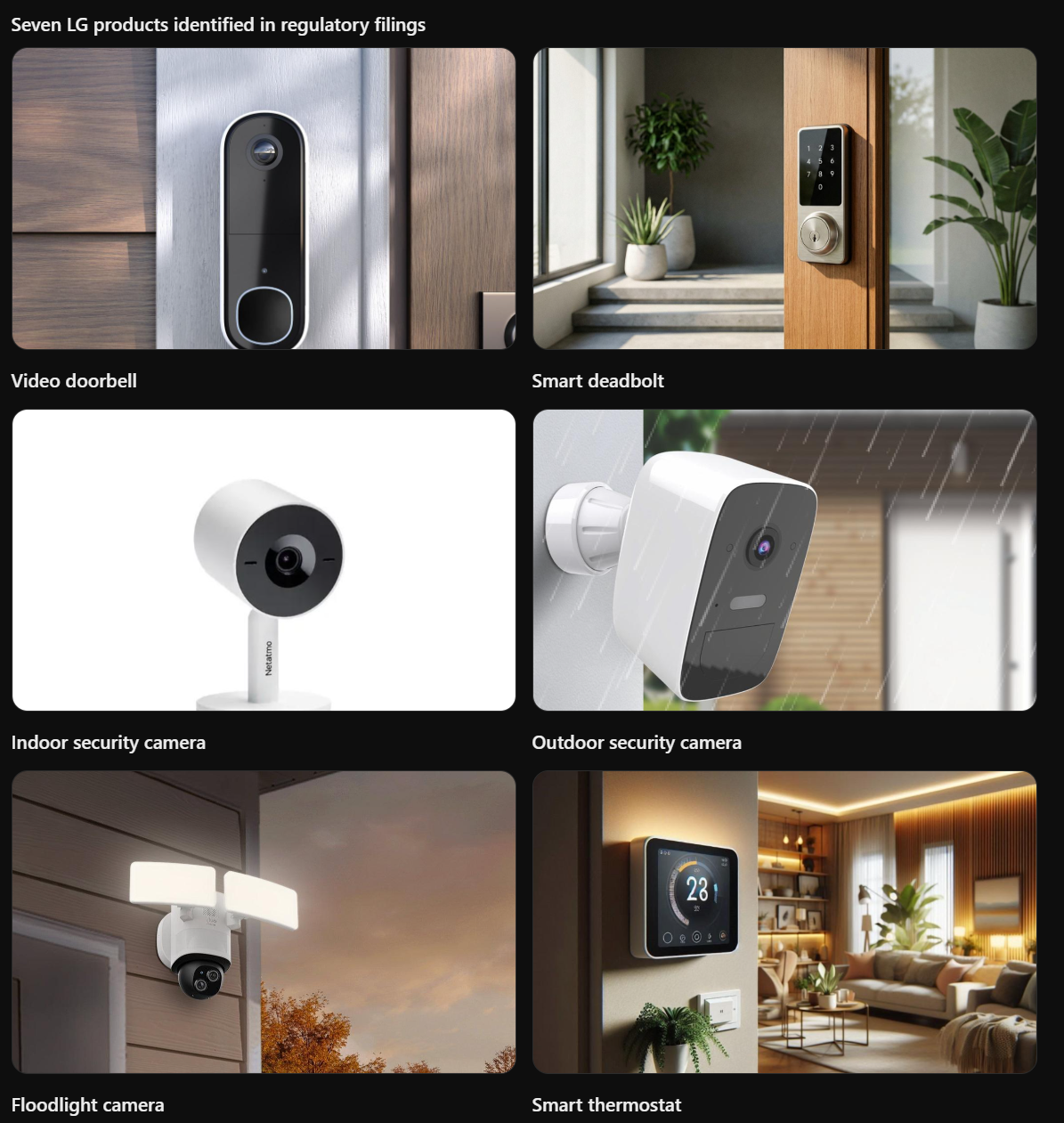
For LG, which is fighting Samsung, Hisense, TCL and a wave of Chinese appliance makers, the deal offers access to Apple’s premium customer base and a foothold as a hardware supplier inside the Apple Home ecosystem.
LG brings decades of experience in appliances, televisions and air conditioning, while Apple has a powerful software and services ecosystem but very little home automation hardware of its own.
The size of the opportunity will depend on whether the arrangement becomes a formal supply deal, a broader ecosystem partnership, or simply tighter compatibility between the two companies’ products.
Why the first attempt stalled
Apple launched its HomeKit framework in 2014 and the Home app in 2016, but failed to build a thriving ecosystem around them.
Accessory makers baulked at Apple’s certification and licensing costs and the extra engineering required to support its platform. Apple offered little hardware of its own to kickstart adoption, and its main effort, the HomePod smart speaker, never became a mainstream success.
Siri was also not reliable or capable enough to act as the control layer tying devices together.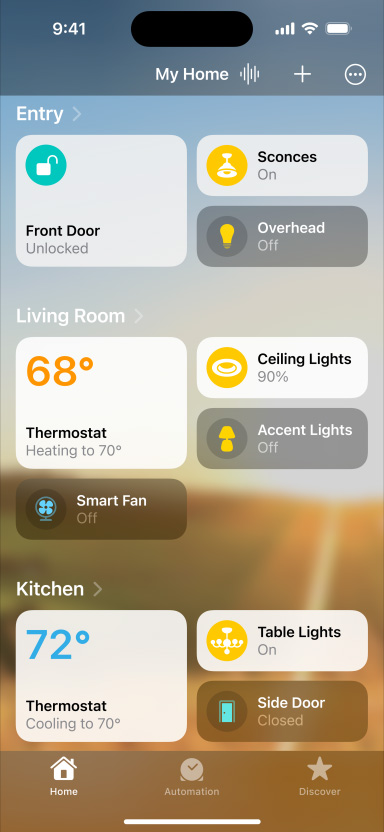
Meanwhile, Google and Amazon flooded the market with their own cameras, doorbells, Nest and Echo speakers and smart displays, backed by stronger voice assistants. They also worked aggressively with third-party manufacturers, building ecosystems of tens of thousands of compatible products that were often cheaper and easier to set up than Apple-compatible alternatives.
Apple provided the underlying framework but did little to promote compatible accessories or market HomeKit to consumers, effectively ceding the category to its rivals.
What success looks like for Apple
Analysts do not expect Apple to overtake Amazon or Google in the home in the near term, or for doorbells and thermostats to become significant revenue lines.
The strategic goal is to make the home a meaningful part of Apple’s ecosystem, give iPhone owners a reason to buy more Apple products, and make it harder for them to switch.
That matters more as AI-powered assistants move into the home. If Apple cannot establish a presence there, it risks customers drifting to a competitor that already controls their household devices.