TV Price War, JB Hi Fi Slash Thousands Off Premium Samsung LG TV’s
 David Richards
23 Oct 2022
David Richards
23 Oct 2022

A tipped TV price war has turned nasty with two Chinese brands being squeezed by South Korean brands Samsung and LG in Australia who appear to be on a rampant discounting spree that has seen premium TV models discounted by thousands of dollars.
Back in April 2022 both Samsung and LG gave us their pricing for their 2022 TV models, but within weeks these prices were being slashed in a TV war tipped by ChannelNews as consumers refused to pay a premium price.
Back in May 20222 the recommended retail price on an 85” Samsung QN900B TV was $11,99, today JB Hi Fi is selling the same TV for $9,495 a drop of $2,504. The Samsung 75” QN90B which had a retail price of $4,999 is selling for $3,995, $1,000 less than the recommended retail price.
A Samsung 85″ Q80B QLED 4K Smart TV that had a recommended retail price of $5,599 back in May is today retailing at Bing Lee for $3,995. The
An LG OLED C2 77″ which had a recommended retail price of $9599 is now selling for $6,495
The premium LG OLED G2 77″ TV with a recommended price in May of $11,399 is now selling at JB HI Fi for $8,995 a reduction of over $3,000
Meanwhile the LG OLED G2 83 which was launched in June with an RRP of $15,995 is now retailing for $11,995 at JB Hi Fi.
At the lower end of the market the LG OLED C2 65″ – AUD $5399 which had a recommended retail price of $5,399 is now selling for $3,595.
Caught in the middle of the discounting war is Hisense and TCL who last year reported losses of $24M operating in the Australian market.
Both TCL the worlds #2 TV brand who delivered a cutting-edge new range of TVs at IFA 2022 has met the challenge by also delivering a range of discounted TV’s, the only problem is that unlike Hisense TCL is a global OEM manufacturer of TVs for multiple TV brands such as Ffalcon, Sony and Samsung TV’s as well as TVs for the likes of Philips.
There is even speculation that TCL management is planning on taking the business private after moving to buy up share in Hong Kong.
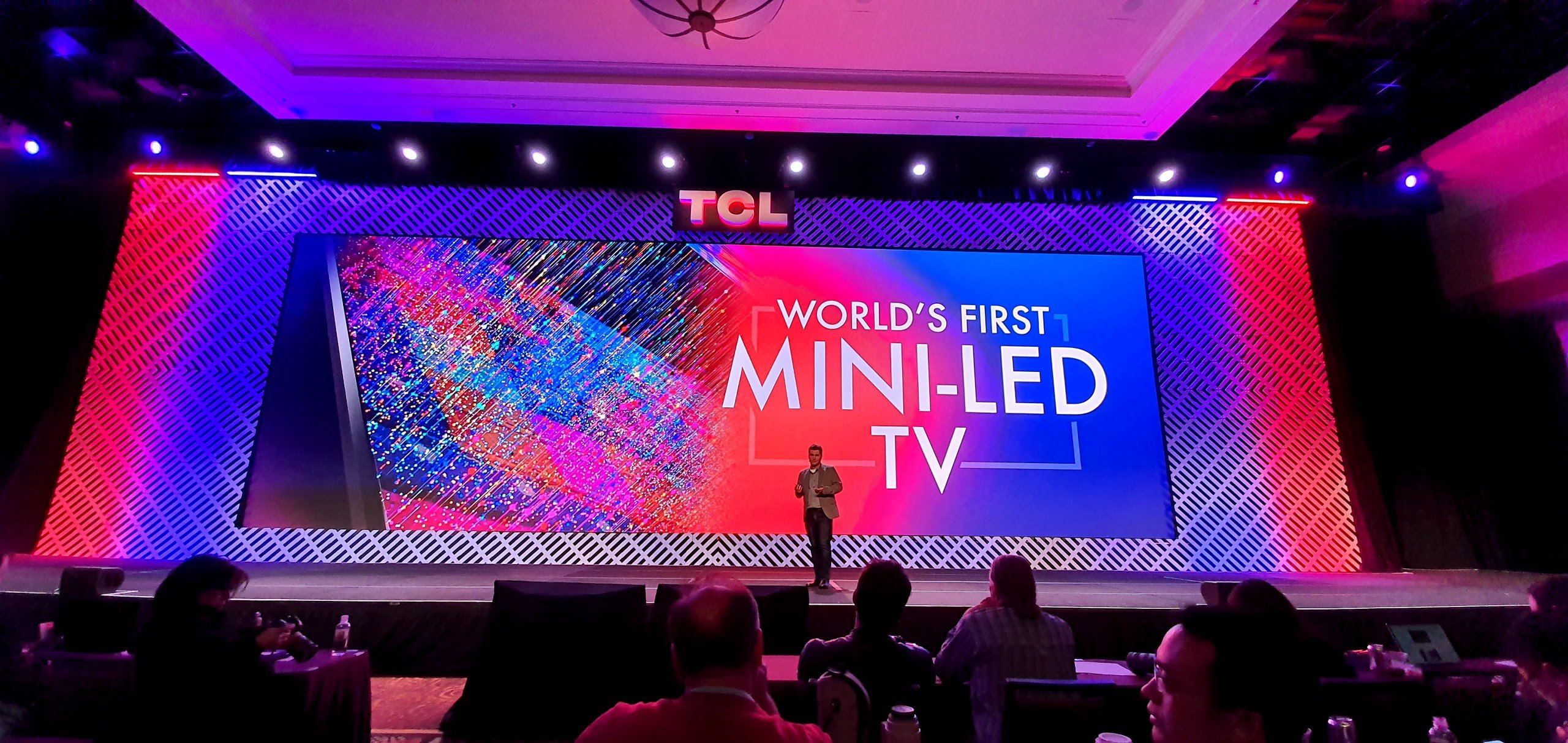
The premium TCL 6-series mini-LED 4K TVs have been available at comparatively low prices for some time with the brand’s use of the backlighting tech pre-dating that by heavy hitters such as Samsung, Sony, and LG who entered the market 12 months after TCL.
TCL recently expanded its 6-series with a new 85-inch model this allows them to compete head on with Samsung and LG.
For several years LG had the OLED TV panel to themselves, they even supplied brands such as Sony, Philips, and Loewe. This allowed LG Electronics, to make big profit margins on their own TV’s knowing that the brands who they supplied to were not in a position to undercut them on price.
This situation has changed when Samsung entered the market this year with a new generation of OLED TV’s.
Samsung Display is now making panels for OLED TVs, and Samsung Electronics has shipped its first QD-OLED sets in 55- and 65-inch screen sizes.
Sony, too, has got in on the game and is now selling QD-OLED TVs with the panel made by Samsung.
At the same time TCL was pioneering Mini LED technology that delivered excellent display quality and is cheaper to produce.
Samsung, LG, Sony, and Philips soon cottoned on to this technology as the black level, which when combined with a process called local dimming which saw clusters of tiny LEDs in the set’s backlight individually addressed to modulate brightness resulting in a look strikingly up there with OLED TV technology.
Another benefit is light output: mini-LED TVs tend to be brighter than their regular LED TV counterparts, and they also exceed OLED models on that parameter.
While mini-LED TVs from the big brands is generally priced lower than OLEDs, the arrival new TCL models in 2022 has seen a surge in demand for the Chinese Companies products with more retailers than ever before stocking TCL TV’s which is a real threat for Hisense.
TCL in offering mini-LED sets at true budget prices. The company’s new U8H series is the first from the company to feature mini-LED backlights, and it will come in three screen sizes: 55, 65, and 75 inches, with 500+ local dimming zones on the latter two models.
The emergence of recent technology such as Mini LED and QLED led to a surge in sales with retailers telling Channel News that the surge in demand experienced during COVID has “slowed dramatically”.
Hisense who uses their own VIDAA operating system have been slow to move into the mini-LED game, now the Company that lost over $12M last year in Australia is scrambling to lower their prices to better compete.
JB Hi Fi management are tipping a “strong Black Friday” with the retailer “locked and loaded with stock” TVs are among the categories tipped to deliver big bargains for consumers.
QLED TVs sold by Samsung, Sony, LG, TCL, and Hisense, all use a quantum dot layer in the set’s LCD panel that allows for an enhanced range of colours to be displayed.
A direct effect of using mini-LEDs rather than the larger LED modules found in regular TVs is increased black depth and shadow detail.
The much smaller LEDs allow for a greater level of control over the dispersion of light within the set’s display panel, and this results in purer blacks along with more powerful contrast.
The global smart TV market size is anticipated to be valued at US$451.26 billion by 2030, expanding at an estimated CAGR of 10.9% from 2022 to 2030, according to the latest report by Grand View Research.
Driving growth will be steady rise in the use of OTT applications for streaming the latest TV content on smart televisions along with the influx of high-speed internet in the form of 5G broadband, which is enhancing the users’ viewing experience, which is expected to drive the growth of the market.