Trump Defends 15% Cut on Nvidia, AMD China Sales
 Joe Gallop
12 Aug 2025
Joe Gallop
12 Aug 2025

President Donald Trump has defended a controversial deal requiring US chip giants Nvidia and AMD to hand over 15% of their China sales revenue to the US government in exchange for export licences, dismissing concerns about national security and legality.
Speaking at the White House on Monday, Trump described Nvidia’s H20 processor and AMD’s MI308 as “old chips” that China “already has in a different form”, insisting the arrangement protects America’s most advanced technology, including Nvidia’s flagship Blackwell GPU from Beijing.
“This is a chip they can get anywhere, including from Huawei,” Trump said. “The new one, nobody has it, and nobody will for five years.”
The unprecedented deal allows Nvidia and AMD to resume sales of chips that were banned in April under export controls aimed at curbing China’s AI and military capabilities.
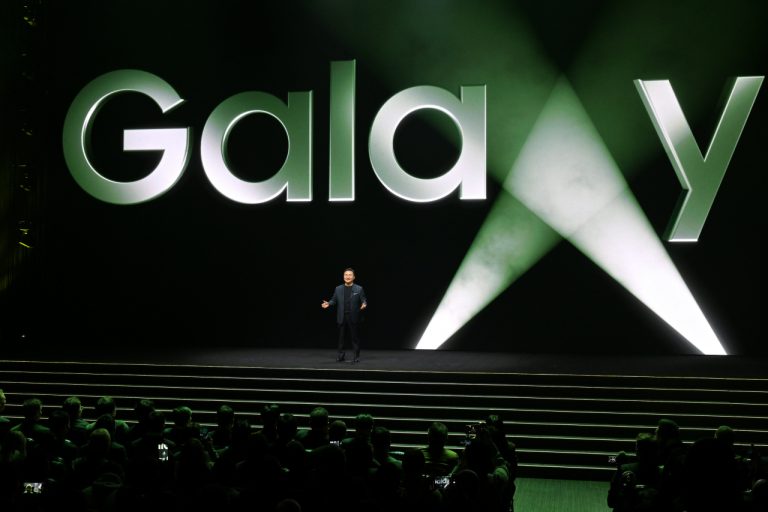
Trump said he initially pushed for a 20% revenue share before Nvidia CEO Jensen Huang (pictured) negotiated him down to 15%.
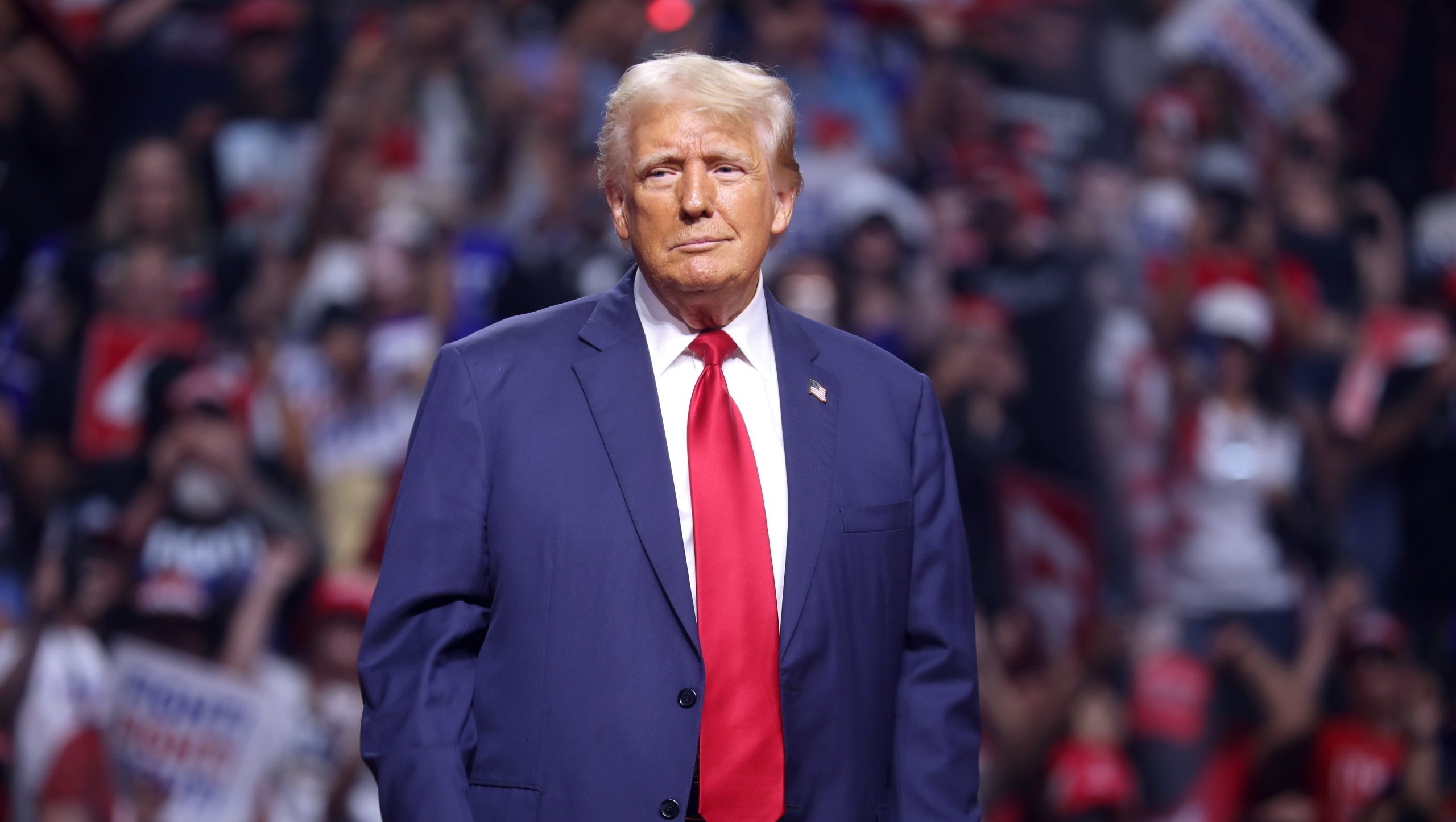
Critics, including trade experts and former US officials, warn the move risks undermining the credibility of export controls by effectively allowing companies to “buy” exemptions.
Peter Harrell, a former White House economic adviser, called the policy “flatly unconstitutional” and “a terrible precedent”.
Trump compared the agreement to arms sales where foreign buyers get downgraded versions of US equipment, adding: “When I say I want 20%, I want it for the country, not for me.”
Nvidia and AMD have not disclosed expected revenues from China under the new terms but analysts estimate the US Treasury could collect over US$2 billion this year.
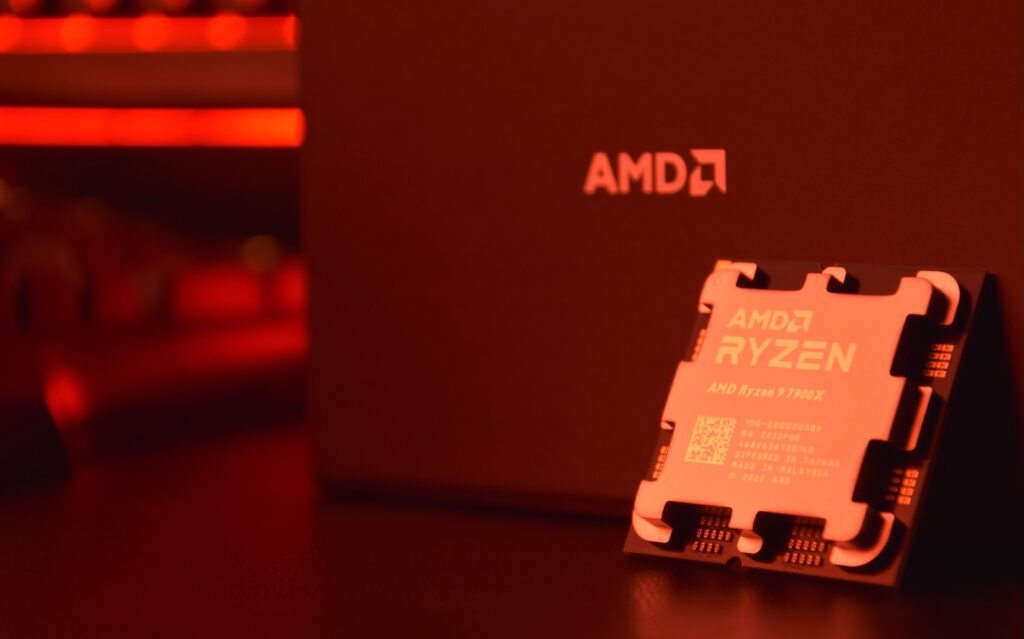
Investors appear cautiously optimistic, with AMD stock up more than 2% and Nvidia edging higher, as companies retain 85% of sales that were previously at risk.
China’s state-run media has accused Trump of using “economic leverage” to pressure US chipmakers, while Chinese regulators have floated unsubstantiated claims of “backdoors” in US hardware – allegations Nvidia denies.
Nvidia said it follows US export rules and hopes policies will “let America compete in China and worldwide,” warning against repeating “the 5G mistake” of losing technological leadership.
The deal comes as broader US–China trade negotiations remain tense, with the current tariff truce set to expire Tuesday.