The Corporate Response: How LG, Samsung, and Electrolux Are Handling Shattering Oven Doors
 David Richards
22 May 2026
David Richards
22 May 2026
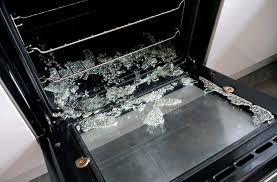
A growing safety crisis has emerged in the USA as glass oven doors continue to shatter without warning, even when turned off. Between January 2025 and March 2026, the US Consumer Product Safety Commission (CPSC) received 386 complaints, including 40 injury reports.
While hundreds of incidents span multiple brands, the corporate reactions from major players LG, Samsung, and Electrolux reveal vastly different approaches to consumer safety and corporate responsibility.
LG: The Dismissive Stance
Despite being linked to multiple incidents, LG has deflected responsibility, mirroring a controversial history of safety delays with LG Electronics Australia currently looking at entering to cooking market with ovens.
The LG Reaction: Management at the South Korean company completely dismissed the need for intervention, claiming their ovens adhere to third-party standards and stating they have “not identified a basis at this time for additional action.”
The Track Record: This passive response aligns with LG’s controversial safety record in Australia. Previously, LG Energy Solutions was highly reluctant to act when their home energy storage system (ESS) batteries overheated, caught fire, destroyed property, and caused injuries. It ultimately required Australian Competition and Consumer Commission (ACCC) intervention and an Australian Federal Court order to force LG to recall thousands of those lithium-ion batteries and publicly advertise the defect.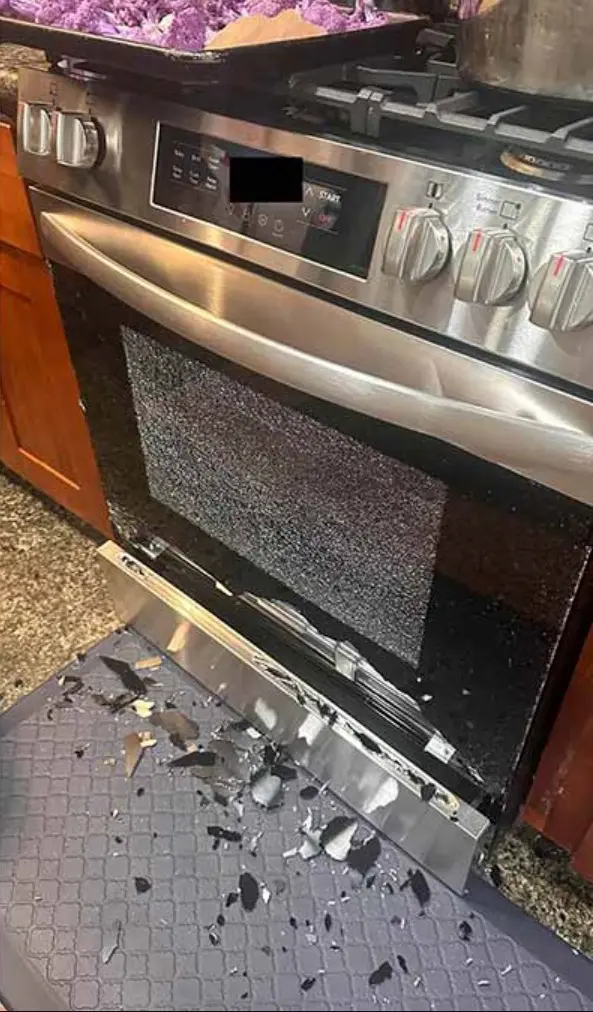
“Glass shouldn’t shatter spontaneously, and range owners are justifiably upset,” declared Gabe Knight of Consumer Reports. “No one should have to worry about whether there’s a ticking time bomb in their kitchen.”
Samsung: The Proactive Repair Model
In stark contrast to its competitors, Samsung has taken a consumer-first approach to the crisis, despite being linked to 10 of the reported incidents.
The Reaction: Samsung stands out as the only firm offering free repairs to affected customers, completely regardless of their warranty status.
The Reputation: This proactive stance earned praise from consumer advocates. Gabe Knight, a senior safety policy analyst for Consumer Reports, urged other manufacturers to follow Samsung’s lead, sharply criticizing rival tech firms that have tried to downplay the issue or blame users.
Electrolux: The “User Care & Warranty” Defense
Electrolux, the parent company of Frigidaire has taken a highly proactive approach
The Reaction: Instead of offering universal fixes, Electrolux attributed the defect to “imperceptible flaws” in the tempered glass.
They claimed these flaws typically manifest early in a product’s lifespan and are therefore sufficiently covered under standard warranties with the Company offering to repair the affected products.
Electrolux also shifted some of the burden onto the consumer urging them to take care when using their ovens.
The company advised customers to prevent mishaps by ensuring racks are not jutting out when closing the door and making sure they are not banging the door with pans or other objects.
Note: None of the affected Electrolux products are sold in Australia.