ACCC Probes Midea’s Backdoor Buy Into Australian Appliance Market
 David Richards
07 Jul 2026
David Richards
07 Jul 2026

The Australian Competition and Consumer Commission is probing the proposed joint venture between Chinese appliance giant Midea and Melbourne-based distributor Residentia Group, a deal that would hand the world’s largest appliance manufacturer a majority stake in a stable of established Australian house brands Company
The proposed merger was exclusively revealed by ChannelNews after Midea’s own-brand push was rejected by Australian retailers. The Chinese Company already manufactures the bulk of Residentia’s products, including Omega and Solt appliances — the latter a brand created in 2020 based on Midea technology with questions being raised as to whether Australian retailers will continue to range Residentia products if they are owned by Midea.
The ACCC has now stepped in to question the deal and its impact on the market, with a formal inquiry set to run until 7 August 2026. Submissions in response to the regulator’s questionnaire closed on Monday 6 July 2026, lodged via email to [email protected] under the title “Submission re: Midea – Residentia Group”.
If the deal goes ahead, it will give the world’s largest appliance manufacturer the ability to flood the Australian market with cheap Chinese appliances, a move that could create problems for multiple brands and retailers. The deal is tipped to be approved, but if declined it would create serious problems for the cash-strapped Residentia Group.
A Manufacturer With A Troubled Product Record
What the ACCC review does not canvass is Midea’s recent product safety record — one that should concern Australian consumers, given the brands Midea would control here are sold on quality claims rather than the Midea name.
In June 2025, Midea was forced to recall approximately 1.7 million of its U and U+ window air conditioners in the United States, plus a further 45,900 units in Canada, after regulators found a design flaw that allowed water to pool inside the units and fail to drain, creating conditions for mould growth. The US Consumer Product Safety Commission logged at least 152 reports of mould in the units, including 17 reports of consumers suffering respiratory infections, allergic reactions, coughing, sneezing and sore throats.
Significantly for the Residentia deal, those recalled Midea units were not only sold under the Midea name. They were white-labelled under brands including Frigidaire, Danby, Insignia, Keystone, Comfort Aire, Mr. Cool and Perfect Aire.
It was not Midea’s first mass recall. Midea-made dehumidifiers sold under more than 50 brand names — including GE, Kenmore, Honeywell, Danby and Frigidaire — were previously recalled in North America over fire and smoke hazards, with faulty units reported to have ignited.
Australian consumers buying a Residentia house brand have no easy way of knowing they are buying Midea-manufactured product, and if the deal is approved, that pipeline will only widen.
The Deal Structure
Currently around 80% of Residentia’s products are manufactured by Midea. Under the transaction, Midea has agreed to acquire a 60% stake in Residentia Group, with the value undisclosed. ChannelNews understands part of the deal is an equity swap, with debt that Residentia currently owes Midea set to be converted into equity.
The joint venture covers home appliances only, excluding Midea’s HVAC, battery and water heater businesses, and the entity will keep trading under the Residentia name with existing leadership in place.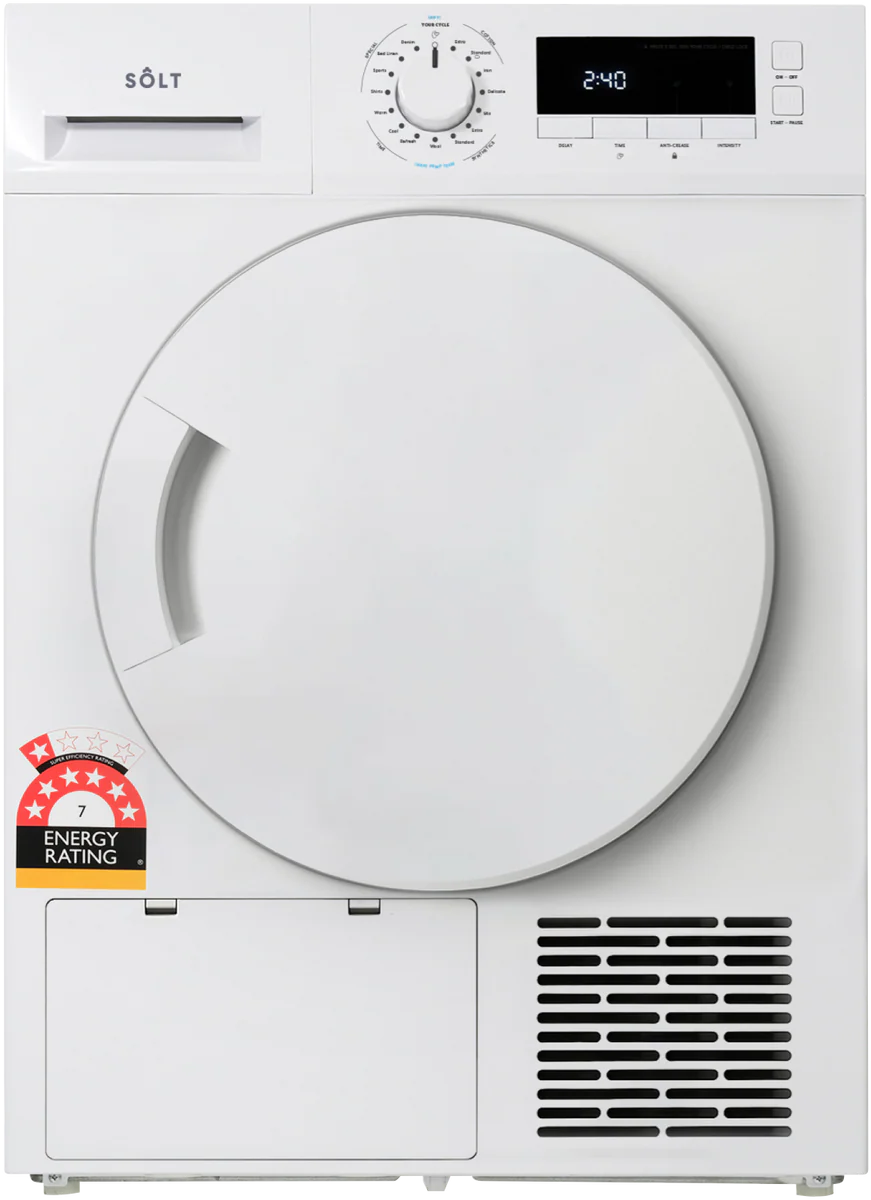
Residentia Group was founded in 2014, is Melbourne-based and Australian-owned, and manages a portfolio of house brands including Esatto, InAlto, Sôlt, Omega, Harbour, Mykin and Cantina. It acquired the Omega brand from Shriro on 31 March 2023 after Harvey Norman dropped Omega from its stores.
A Long Backstory
The transaction has a long history. Acquisition rumours resurfaced at IFA 2025 in Berlin, with Residentia’s Nicholas Carey dismissing them to ChannelNews, claiming they were rumours that recurred every six months. Negotiations then stalled in late 2025 amid an unexpected executive departure: Troy Hinchco, who had joined from Electrolux in 2023 and was promoted to oversee Australian operations in November 2024, left suddenly for BSR Group.
Carey also repeatedly denied that Residentia owed a large sum of money to Midea.
The deal was finally done in late April 2026. Residentia CEO Matthew Evans was in London following EuroCucina when the long-rumoured transaction was struck, with the companies confirming a joint venture framed as a partnership between “complementary forces”.
Industry reading of the deal is that it amounts to a backdoor market entry, giving Midea a direct pipeline into Australian homes via established house brands and bypassing years of retailer resistance to Midea-branded product. Midea’s plans for 20 branded stores in Australia were abandoned, and its Chatswood flagship store closed.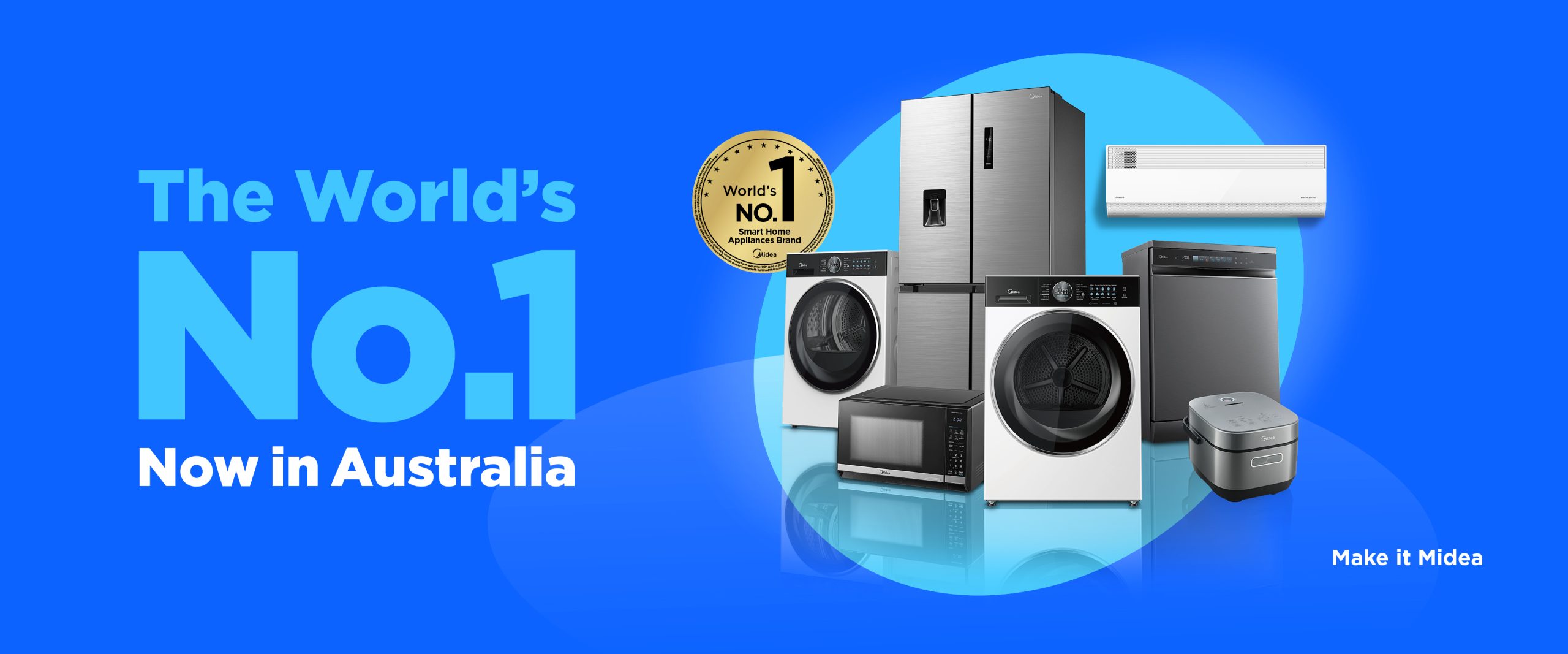
A Target Under Pressure
There have also been claims the target was under financial pressure. Residentia was reportedly facing significant headwinds and owed substantial sums to Midea, its primary manufacturer, when rumours of the deal first surfaced.
Residentia’s most recent financial filings, from 2023, show revenue increased but profit dropped sharply from $6.67 million to $4.66 million, with ACCC-filed documents revealing borrowings rose from $8.81 million to $14.73 million as the Company struggled to pay down mounting debt.
In July 2025, the Company paid $4.865 million to buy back shares from a Carey family member, funded by a key-person insurance payout triggered by the sudden death of Nathan Carey. Post-buyback, Matthew Evans and Olivia Katherine Carey each hold 7,410 shares (48.72% each), with the remaining 2.56% held by Onlin Holdings Pty Ltd as trustee for GT & LL Teh.
What The ACCC Says
“Relevant to the acquisition, through its Smart Home division, Midea manufactures whitegoods and electronic household appliances, including dishwashers, cooking appliances, laundry appliances, air purifiers, fans, and portable air conditioning appliances. Midea supplies products under its ‘Midea’ brand and original equipment manufacturer (OEM) products on a ‘white label’ and ‘private label’ basis to wholesalers and retailers,” the ACCC said.