Telstra Destroying Optus, Vodafone In Mobile Market
 Nathan Jolly
18 Feb 2022
Nathan Jolly
18 Feb 2022
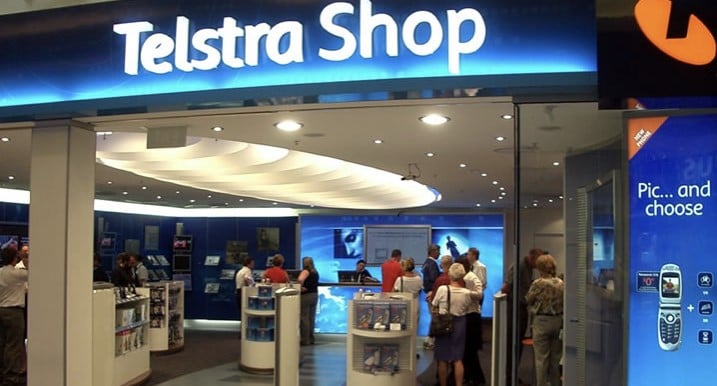
Telstra’s mobile business grew by 25 per cent in the first six months of the financial year, adding $392 in earnings before interest, tax, depreciation and amortisation.
Total mobile EBITDA rose 25 per cent to $1.9 billion, with the mobile EBITDA margin moving to 41.8 per cent, from 33 per cent previously.
The company added 84,000 new post-paid customers, moving far beyond Optus and TPG Telecom, which owns Vodafone.
By comparison, Optus only added 70,000 new post-paid customers during the first half of the financial year. Vodafone is expected to have lost 20,000 post-paid customers during the same period, following a loss of 161,000 mobile customers during the last financial year.
Telstra rules the post-paid market, with 48 per cent of the market share, making up 8.7 million customers. Optus has 33 per cent, with 5.8 million, while TPG/Vodafone is fast dropping, with just 3.19 million customers and 18 per cent share.

CEO Andy Penn sees this success as a result of its T22 strategy to simplify mobile operations.
“When we launched T22, and we went from 1800 products to 21, one of the key philosophical things behind that was that we wanted to move to a world where we didn’t have a back book,” Penn said.
“In lots of industries, including telecommunications, what tends to happen is when companies update features or update prices, they do so on the plans for customers that might buy them tomorrow.
“They don’t necessarily flow the benefit of that back to customers who bought plans previously, and so they issue it as a new plan and that’s why you end up, candidly, with 1800 plans.
“That is a bad customer experience, and it’s administratively expensive to manage.
“We now have 9.4 million customers on those plans and the benefit of that is all of those customers get the benefit of everything that we do to enhance them as we do it.
“As a consequence, when we’ve made price changes they flow through immediately, which means it’s a lot simpler for customers and is a lot easier to understand.
“And obviously if we make price increases or changes in the future, whether they’re inflation-driven or otherwise, that will have the benefit of that. That’s why we get the flow-through.”