TCL CSOT Showcases Super Pixel And Next-Generation OLED Breakthroughs At MWC 2026
 April Ossington
04 Mar 2026
April Ossington
04 Mar 2026
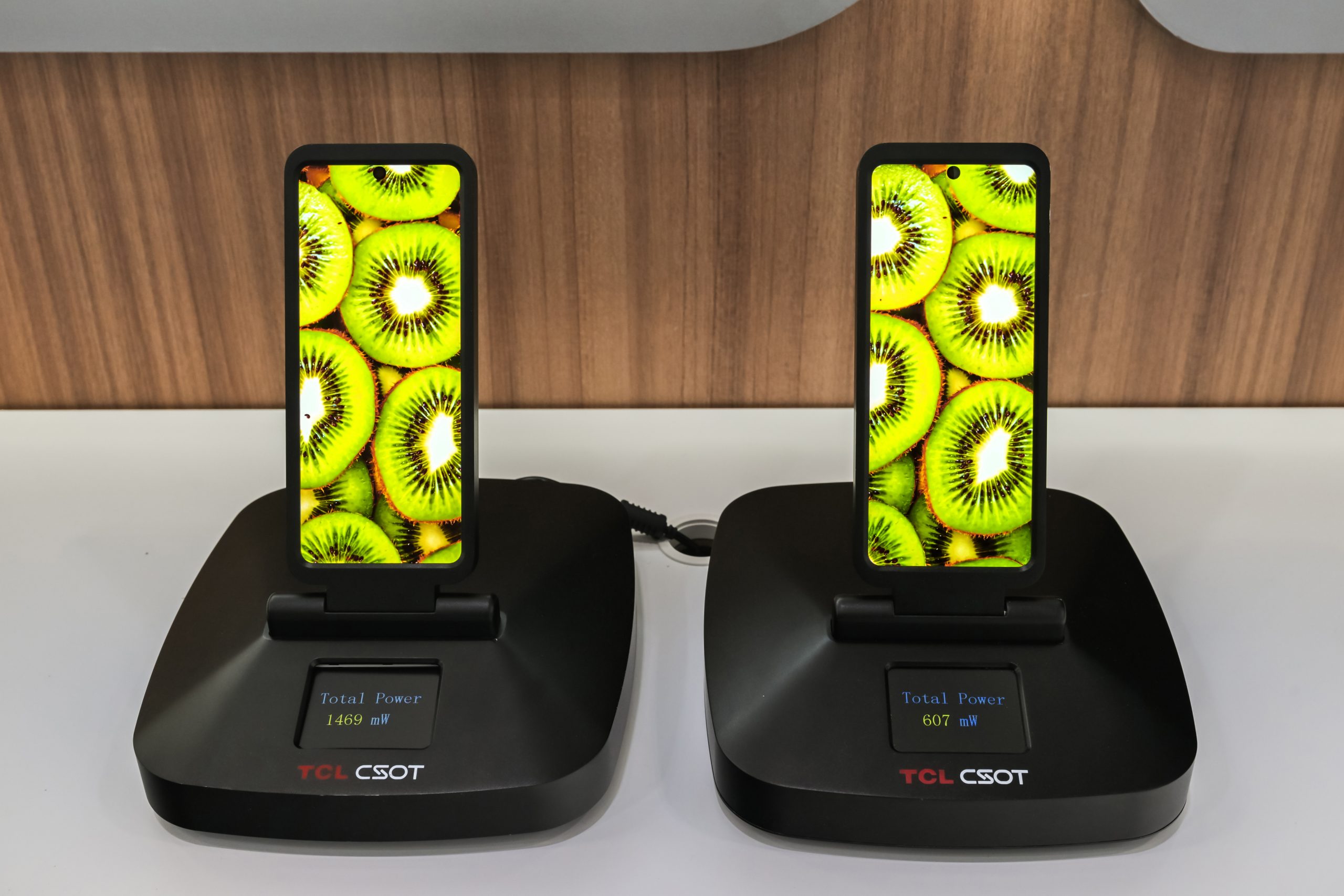
TCL CSOT has unveiled a suite of advanced display technologies at Mobile World Congress 2026, introducing its new Super Pixel architecture alongside major developments in inkjet-printed OLED manufacturing.
Presenting under the theme “Super Pixel Beyond Limits”, the company outlined a strategy focused on user experience and sustainability rather than headline specifications alone. Central to the announcement is Super Pixel technology, which redesigns pixel structure to improve clarity, efficiency and motion performance. TCL CSOT says the approach increases sub-pixel density by around 1.8 per cent for sharper imagery, reduces energy use by up to 25 per cent and supports refresh rates up to 40 per cent higher than conventional designs.
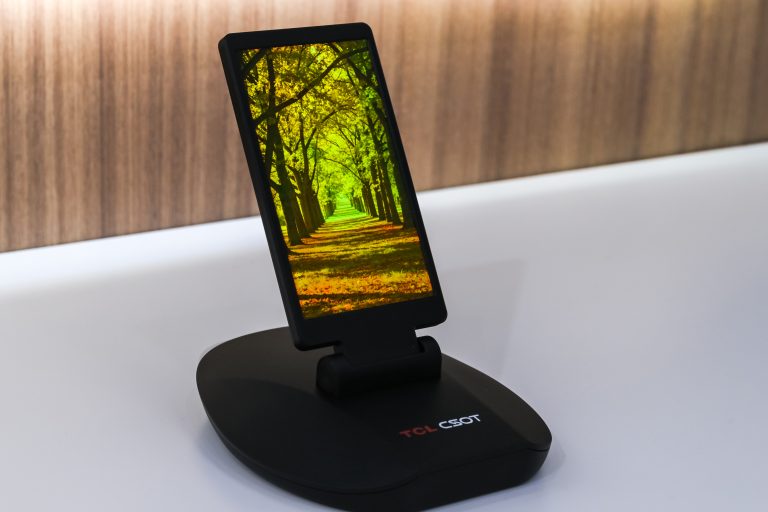
The technology debuts in three 6.9-inch mobile displays, including models prioritising clarity, low power consumption and high refresh rates.
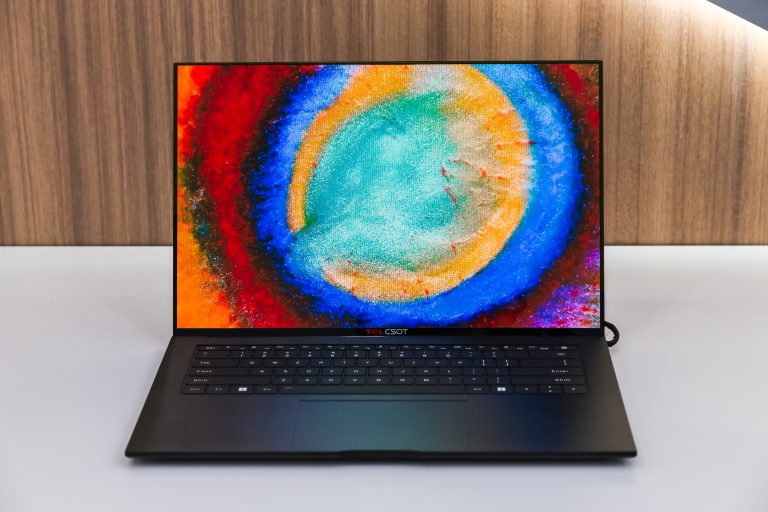
Inkjet-printed OLED, or IJP OLED, was also a major focus. TCL CSOT highlighted progress in scalable production and confirmed development of what it describes as the world’s first 8.6-generation IJP OLED production line. Among the concepts shown was a 14-inch ultra-thin rigid notebook display measuring 0.77mm thick and weighing under 77 grams, approximately 50 per cent lighter than traditional equivalents.
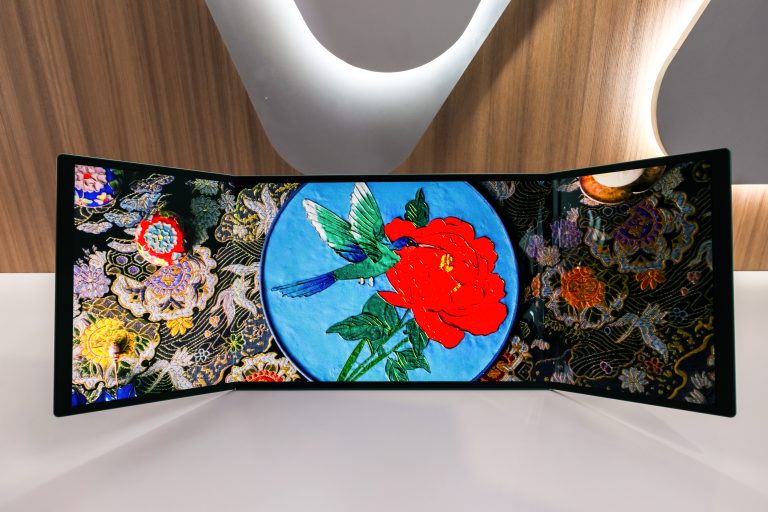
A 28-inch foldable and portable IJP OLED monitor was also demonstrated. Featuring a tri-fold design, it expands from a compact 16-inch form into an ultra-wide display, with a 4.48mm unfolded thickness and a 1.8mm folding radius. The design incorporates a large waterdrop hinge and integrated rear stand for flexible positioning.
TCL CSOT further revealed a 5.65-inch Real Stripe RGB IJP OLED mobile display delivering 390 pixels per inch, with a diamond-like pixel arrangement equivalent to 490 PPI. The company says this configuration improves fine-text rendering and colour accuracy.
These products sit within TCL CSOT’s APEX framework, built around four principles: display performance, eye comfort, environmental efficiency and forward-looking innovation. Demonstrations included a 6.9-inch OLED panel with peak brightness of 15,000 nits for improved outdoor visibility, and a Natural-light-certified OLED display designed to reduce glare and visual fatigue.
Energy efficiency was another highlight, with a low-power OLED mobile panel achieving a 45 per cent reduction in consumption through tandem light-emitting structures and a polariser-less process. The company also presented what it described as the world’s smallest silicon-based Micro LED display at 0.05 inches, aimed at augmented reality glasses. Featuring 5,080 PPI and brightness exceeding four million nits, the panel is engineered for compact devices with minimal power draw.
Together, the announcements underline intensifying competition in next-generation display manufacturing, particularly in flexible, energy-efficient and high-brightness applications.