Middle East Conflict Sparks Sudden Spike in Australian Container Costs
 Joe Gallop
04 Mar 2026
Joe Gallop
04 Mar 2026

Australian exporters are facing sudden and steep increases in shipping costs after major global carriers imposed “war risk” and “emergency conflict” surcharges on container freight linked to the Middle East.
The new fees, introduced as tensions escalate following US and Israeli strikes on Iran and retaliatory action across the region, are adding up to US$4,000 (about $5,600) per refrigerated container.
Industry groups say the scale and timing of the charges have blindsided local businesses.
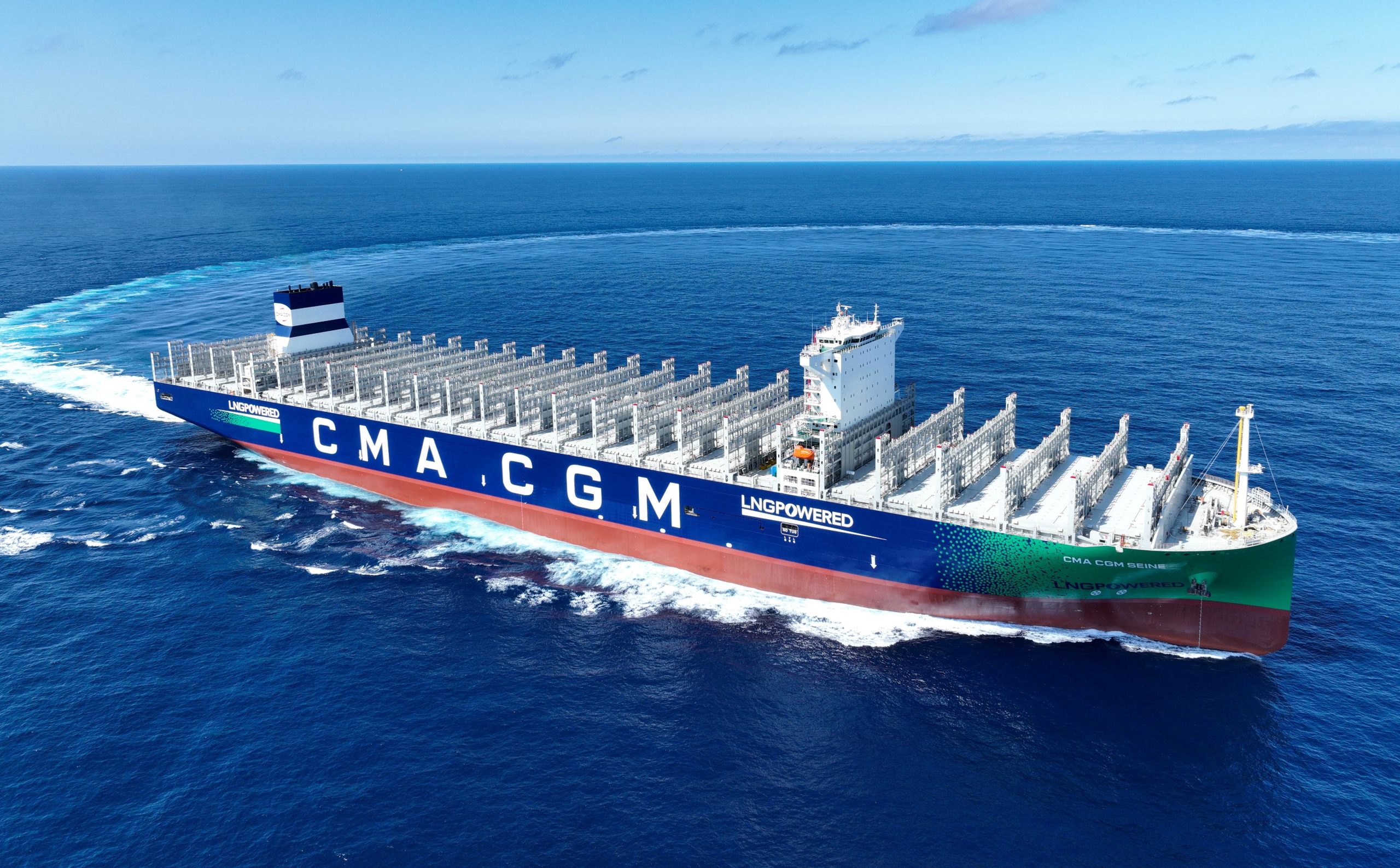
French shipping giant CMA CGM, which owns ANL in Australia, has implemented an “Emergency Conflict Surcharge” effective from March 2. The levy ranges from US$2,000 for a 20-foot container to US$4,000 for refrigerated and specialised equipment.
The surcharge applies to cargo to and from countries including the UAE, Saudi Arabia, Qatar, Kuwait, Iraq and others across the Gulf region.
Competitor Hapag-Lloyd has introduced a “War Risk Surcharge” of up to US$3,500 for refrigerated containers on affected routes.
The Freight & Trade Alliance (FTA) and Australian Peak Shippers Association (APSA) say the rapid rollout of the charges – in some cases applying to cargo already at sea – is creating significant commercial uncertainty.
Tom Jensen, FTA general manager for freight policy and operations, said the fees represent “material cost increases” for Australian importers and exporters, particularly for high-volume agricultural shipments such as meat, grain and fresh produce.
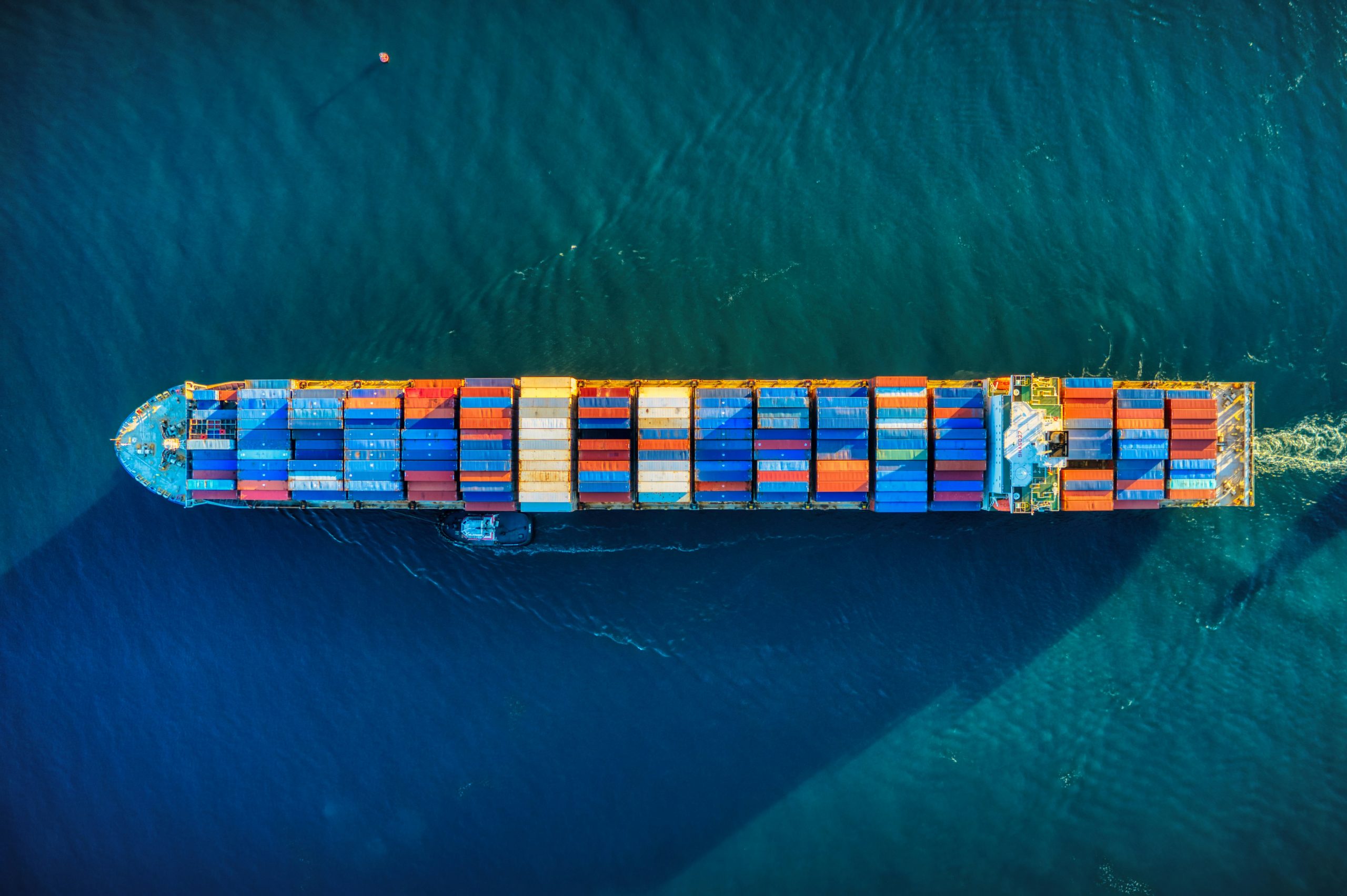
Around $5 billion in Australian goods are exported to the Middle East annually, much of it containerised. Industry bodies warn the additional costs are likely to flow through supply chains, adding pressure to food prices and broader inflation.
Shipping lines have cited heightened security risks across key maritime corridors, including the Strait of Hormuz and the Red Sea, as justification for the charges.
Several carriers have rerouted vessels around Africa, extending transit times and increasing fuel and insurance costs.
While some analysts say global container shipping remains in an oversupply position – potentially limiting longer-term rate spikes – exporters claim the immediate impact is severe, with thousands of dollars in unplanned costs per container and little notice to adjust contracts or pricing.