Survey Finds Strong Public Backing For Facial Recognition in Retail Crime Prevention
 April Ossington
17 Feb 2026
April Ossington
17 Feb 2026
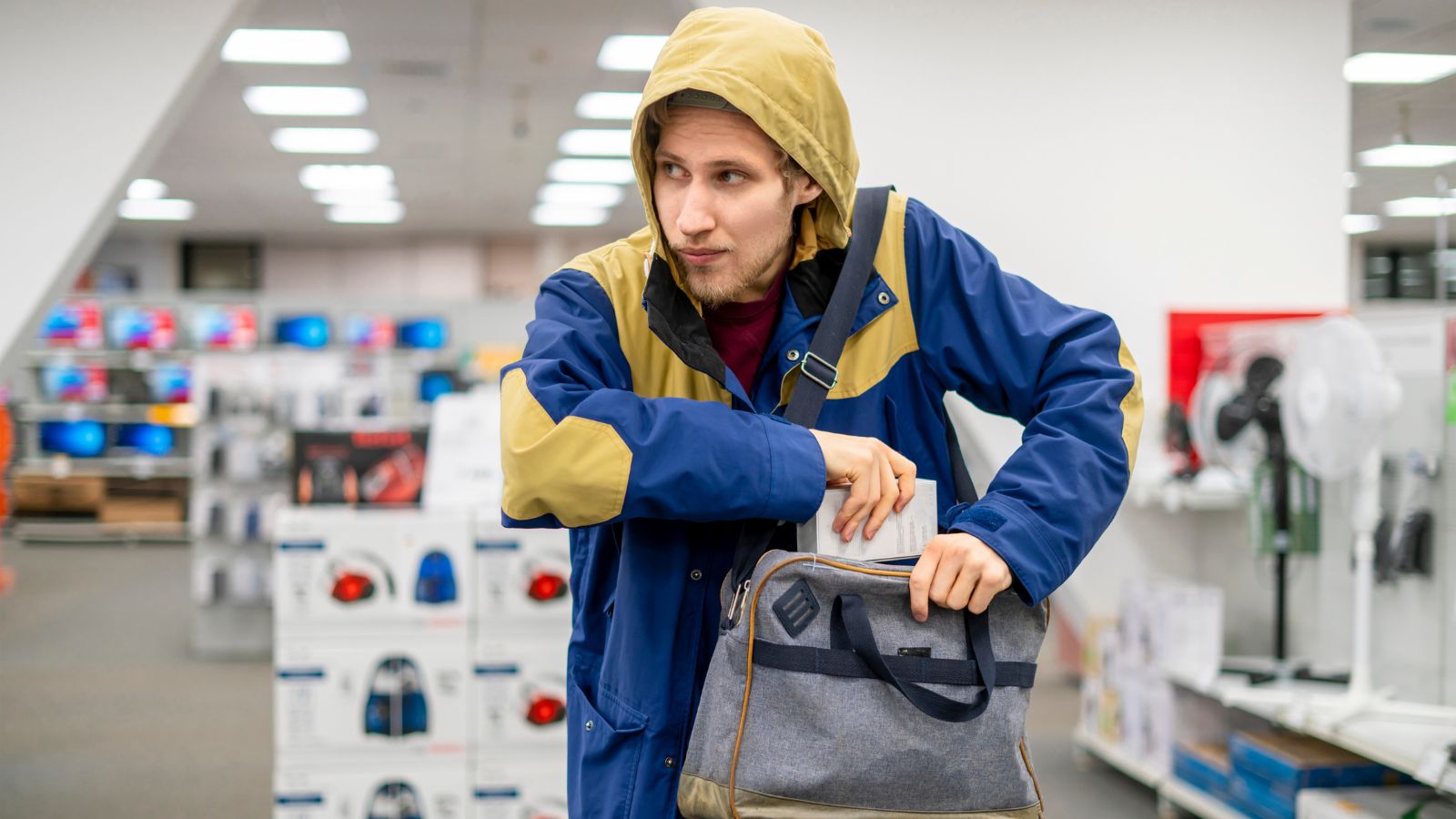
New national research suggests most Australians support the targeted use of facial recognition technology in retail settings, particularly in cases involving serious or repeat criminal behaviour.
The independent polling, commissioned by the Australian Retail Council and conducted by RedBridge, found clear majority support for facial recognition where safety risks are high. According to the RedBridge Retail Crime Prevention Survey, 81 per cent of respondents support the use of the technology to identify individuals who have previously threatened retail staff with a weapon. A further 80 per cent back its use to identify those who have physically assaulted staff or customers.
Support also extends to repeat offending. Around 75 per cent of Australians surveyed favour using facial recognition to identify repeat serious offenders, including those responsible for significant theft or ongoing disturbances. Another 72 per cent support its use to identify people subject to intervention orders.

Perceptions of effectiveness were also strong. The research found that 86 per cent of respondents believe facial recognition would help police identify and prosecute offenders, while 76 per cent say it would help retail workers feel safer on the job.
The findings come amid ongoing concern about retail crime and workplace violence. Retail industry groups have pointed to increasing incidents involving threats, physical assaults and organised theft.
Australian Retail Council chief executive Chris Rodwell said the survey reflects growing public anxiety about safety in shops. He argued that many retail workers face intimidation and violence while performing routine duties.
At the same time, the Council acknowledged that public support is tied to expectations around privacy and oversight. Rodwell said any deployment of facial recognition would need to include strong governance, transparency and privacy safeguards, with the focus on repeat offenders rather than ordinary customers.
The debate now centres less on whether the technology has a role in retail security and more on how it should be regulated. Industry representatives are calling for nationally consistent rules that balance community safety with privacy protections.