Study Links Parents’ Screen Habits To Lasting Effects On Children
 April Ossington
09 Jul 2026
April Ossington
09 Jul 2026

A new study has found that parents who spend excessive time on smartphones and other digital devices may unintentionally affect their children’s emotional development and future relationships.
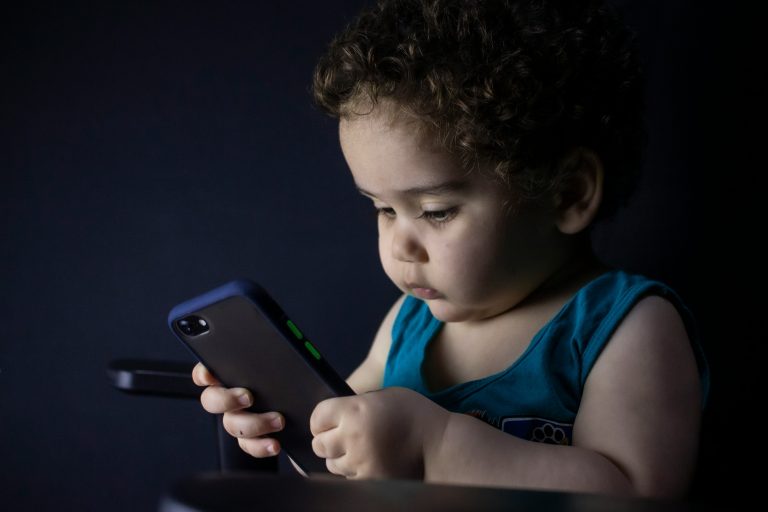
Published in the peer-reviewed journal Frontiers in Psychology, the research examined responses from 600 young people in the United States aged between 12 and 17. Many participants reported feeling ignored or overlooked when their parents were focused on screens during everyday interactions.
Researchers say this behaviour can contribute to what psychologists describe as “insecure attachment”, a pattern that may influence how children develop confidence, trust and relationships throughout their lives. Children with insecure attachment may be more likely to struggle with self-esteem, find it difficult to form close relationships and become hesitant to take risks that support personal growth.
One of the study’s authors, media psychologist and addiction specialist Don Grant, said the findings highlight the importance of parents being mentally present as well as physically present.
Grant said persistent distraction caused by smartphones could have long-term consequences for a child’s emotional security, potentially shaping the way they interact with others well into adulthood.
The research is among the largest to investigate how young people perceive their parents’ technology use and its impact on family relationships. While concerns about excessive screen time among children and teenagers have been widely discussed for years, researchers say far less attention has been paid to the effects of parents becoming absorbed in their own devices.
Hessam Nabavi
Grant noted that while technology companies have often been criticised for designing platforms that encourage prolonged use among younger audiences, adults are also susceptible to the same psychological influences that keep users engaged.
The findings add to a growing body of research into “technoference”, a term used to describe how digital devices interrupt face-to-face interactions and reduce the quality of personal relationships. Previous studies have explored its impact on couples and adult relationships, but researchers say family dynamics deserve equal attention.
Survey data from the Pew Research Center in 2024 found that almost half of American teenagers believe their parents are distracted by smartphones during conversations at least some of the time. Parents were less likely to recognise the issue themselves. Earlier Pew research conducted in 2020 also found that most parents acknowledged their devices occasionally interfered with family time, with 68 per cent admitting they were at least sometimes distracted by their phones.
The issue comes as technology companies continue to face increasing scrutiny over the effects of digital platforms on young people. Major firms including Meta, YouTube, TikTok and Snap are currently defending legal action alleging their products contribute to harm among adolescents.
Researchers say the latest findings serve as a reminder that healthy technology habits are important for every member of the household, not just children.