Stereonet Loewe Fight Publisher Responds
 David Richards
06 Apr 2026

The publisher of Melbourne-based audio publication Stereonet has abruptly removed all references to his fight with Loewe from his LinkedIn page claiming that he has not removed the original story that kicked off the fight between German TV brand Loewe himself and Stereonet.
Marc Rushton in text messages to ChannelNews claims that the story that ChannelNews initially indicated had been pulled down, is still up on the Stereonet web site (with changes), and that Loewe has not responded to his Companies response to legal letters.
“The article has never been removed, Indi Group backed down from our legal response. Loewe Germany have not responded to our legal response after 2 weeks” he wrote.
ChannelNews has checked and the original story that we could not find 24 hours ago when searching ‘Loewe’ on the Stereonet web site is still there.
The controversy erupted after Stereonet publisher Marc Rushton published a strongly worded critique targeting Samsung’s Tizen OS—used in Loewe’s premium televisions—and Loewe’s evolving relationship with Hisense, the company behind the new V Home OS platform set to roll out in 2026 models. He also took a pot shot at the way the Company operates.
Sources claim the article contained significant inaccuracies, particularly around Loewe’s OS strategy—issues that Loewe itself disputed. The piece followed reporting from ChannelNews, which had earlier published what Loewe described as an accurate account of Loewe’s plans.
See original ChannelNews story here.
See original story here.
Legal Pressure Mounts
The situation escalated quickly. Rushton took to LinkedIn, in an emotinal rant alleging he had received legal correspondence from Loewe’s German parent company. In his posts, he referenced a “local distributor” but stopped short of naming the entity, citing concerns about further legal repercussions.
That distributor was Indi Group who are the exclusive distributor of Loewe TV. They are also the same Company who invested heavily in the Stereonet Hi Fi show but chose not to return due to what management claim was a “poor return on investment and poor number through the show floor”.
ChannelNews understands that other exhibitors that were at last years show have also pulled out.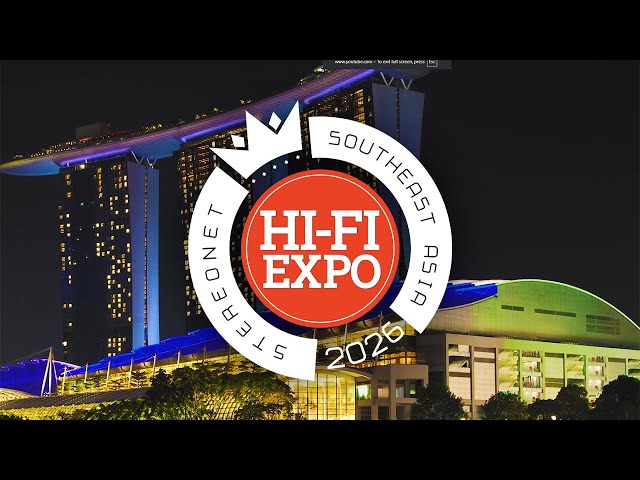
Shortly after the initial legal warning, comments tied to the controversy were deleted from his LinkedIn profile.
The takedown underscores the increasing sensitivity—and legal stakes—surrounding reporting on the fast-evolving smart TV ecosystem.
A High-Stakes OS War
Behind the dispute lies a much larger industry battle. At CES 2026, major TV manufacturers—including Samsung, LG, and Hisense—unveiled aggressive strategies centered on next-generation TV operating systems designed not just for content delivery, but for controlling the broader smart home and capturing lucrative advertising revenue.
At the center of this shift is Hisense’s newly overhauled platform, V Home OS—an evolution of its VIDAA system. The company has rebuilt the OS from the ground up, positioning it as a lightweight, scalable alternative to Google TV, LG’s webOS, and Samsung’s Tizen.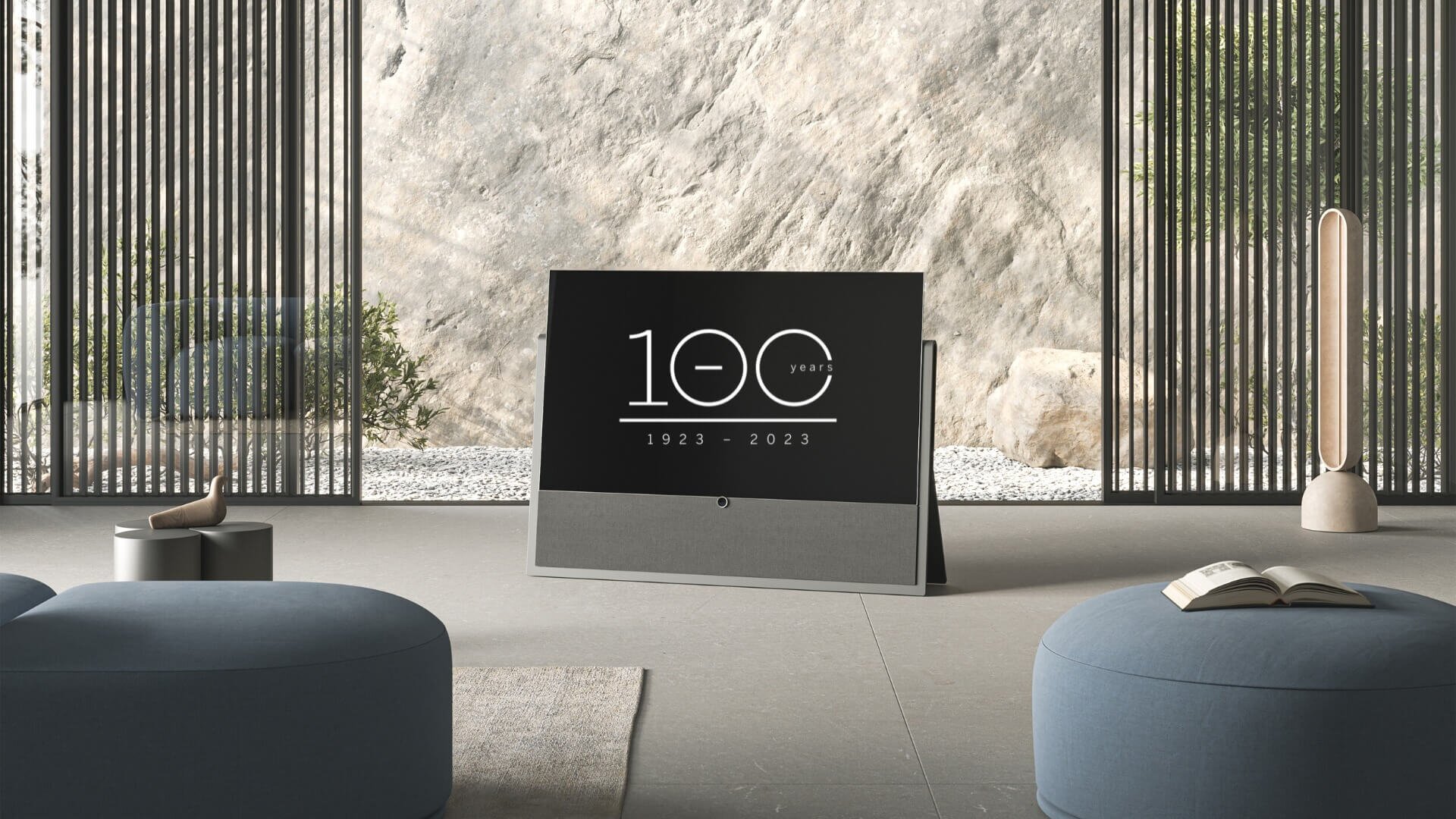
Designed to run efficiently on lower-cost hardware while delivering fast performance, V Home OS is already gaining traction—particularly among manufacturers looking to reduce reliance on Google and other ecosystem gatekeepers. Loewe is among the brands now moving to adopt the platform in select mid-market models.
Hisense executives have made it clear: the goal is not to build the richest ecosystem, but the most efficient and scalable—an approach that could appeal to a wide range of global TV brands.
From TVs to Data and Dollars
But the real battle is not just about software performance—it’s about control of the living room and the billions in advertising revenue that come with it.
TV operating systems are rapidly transforming into data and commerce platforms, enabling manufacturers and partners to monetise user behavior, streaming subscriptions, and targeted advertising.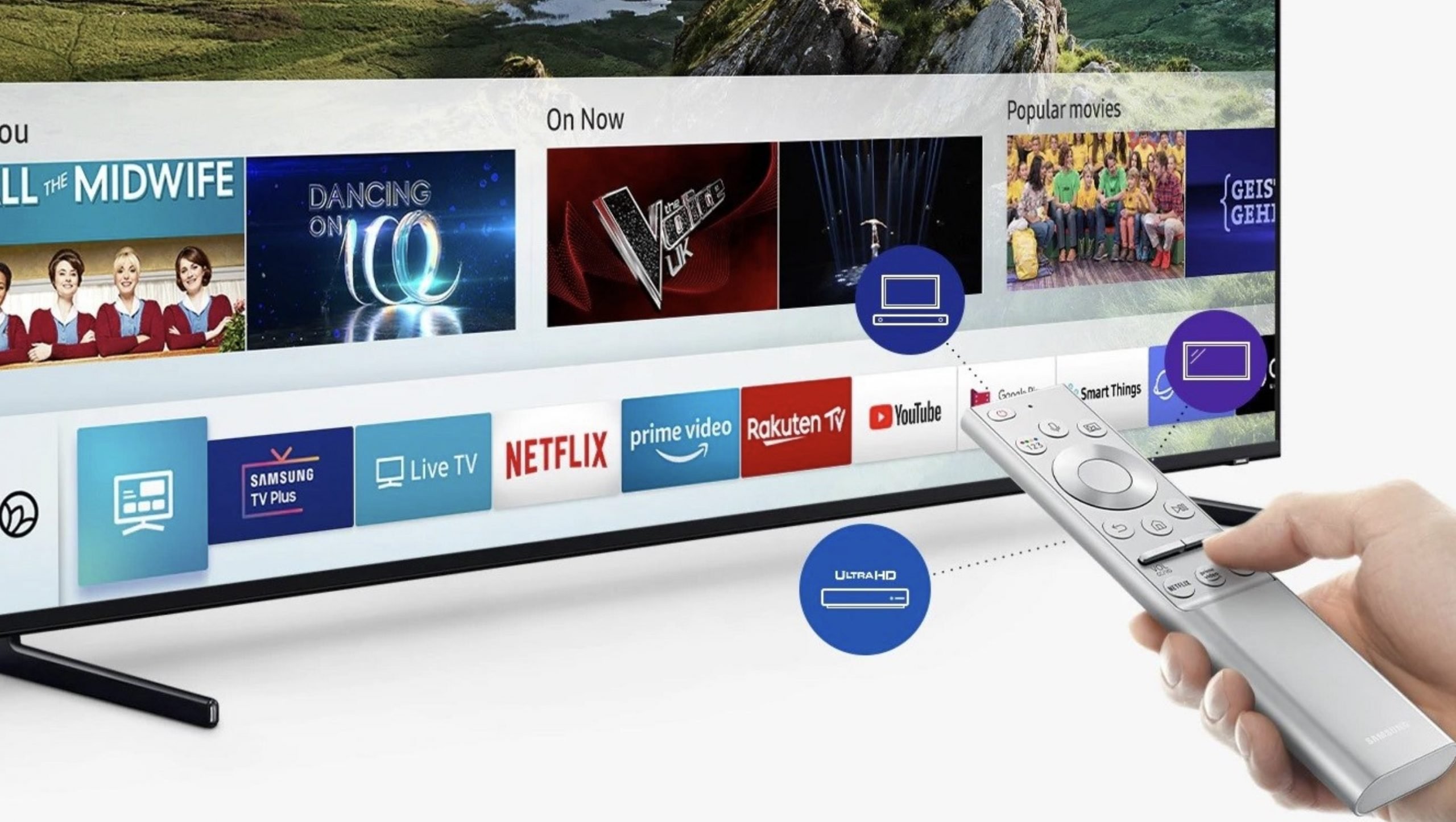
Retailers are now entering the fray. In the US, companies like Walmart are deploying their own TV OS platforms to capture ad revenue and consumer data at scale. According to Omdia, retailers are projected to control 47% of the North American TV OS market by 2029, up sharply from 27% in 2025.
Australia is already seeing similar moves. JB Hi-Fi, through its Falcon TV brand, has begun implementing backend systems designed to support advertising and marketing monetisation.
A Fragmenting Global Market
Globally, the TV OS landscape is consolidating into three distinct battlegrounds. In China, localised Android variants dominate with a near-total market share. Elsewhere, Google TV currently leads, but is expected to lose ground to challengers—including Hisense’s VIDAA/V Home OS.
At CES 2026, Hisense signaled its ambitions clearly. The rebranded V Home OS will expand beyond televisions, integrating Microsoft’s Copilot AI and evolving into a broader platform encompassing smart home control, AI-driven services, and even e-commerce.
“The operating system is transitioning to a broader role beyond just televisions,” said Omdia analyst Patrick Horner, pointing to the platform’s long-term goal of becoming a shopping and services hub.
The Bigger Picture
As more manufacturers consider shifting away from established platforms like Tizen, webOS, and Google TV, the stakes are rising—not just for technology providers, but for media companies, retailers, and advertisers.
The Stereonet-Loewe clash may appear to be a niche dispute, but it reflects a much larger reality: the fight for control of the TV operating system is now a fight for control of the living room—and the revenue streams that come with it.