Sony-TCL Alliance Signals New Phase in Global TV Market Battle
 David Richards
07 Apr 2026
David Richards
07 Apr 2026

A new strategic alliance between Japan’s Sony and Chinese electronics giant TCL is set to escalate competition in the global television market, positioning the newly structured Bravia TV Company as a direct challenger to long-time leaders Samsung and LG.
The partnership is expected to unveil prototype models at major international trade shows, including CES and IFA 2026, with commercial rollout in Australia anticipated in the second half of 2027.
Industry observers say the move could mark the beginning of a new phase in the premium TV segment, particularly in OLED technology, where Samsung and LG have dominated for years but are now facing intensifying pressure from both Chinese manufacturers and shifting consumer demand.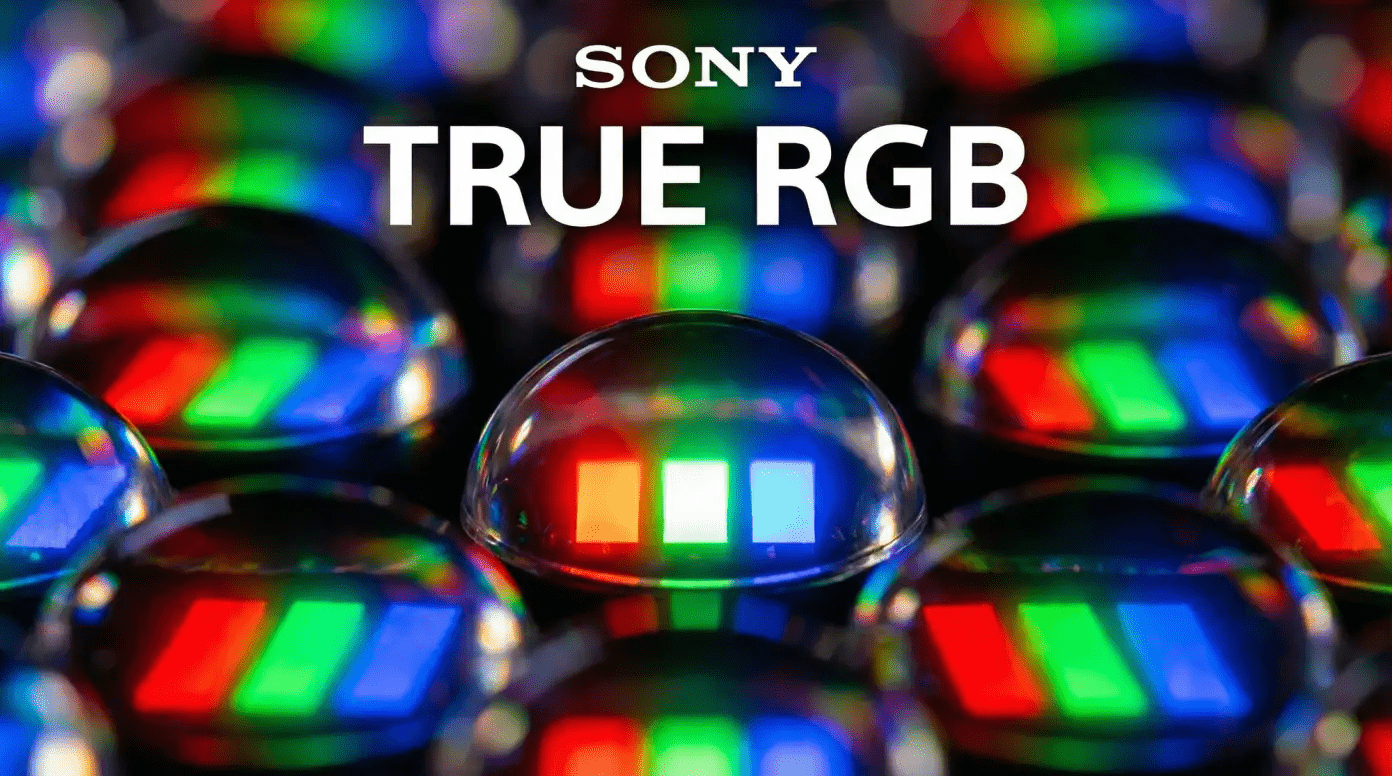
A Strategic Split: Design vs Manufacturing
Under the terms of the alliance, Sony will retain control over design, branding and marketing, while TCL will take responsibility for manufacturing and global supply chains. The structure reflects a broader trend in the electronics industry, where legacy brands are separating product development from capital-intensive production.
Sony’s decision follows years of pressure from high manufacturing costs, which limited its ability to compete on price despite strong brand equity and industry-leading image processing technology.
For TCL, the deal provides access to premium brand recognition and advanced imaging technologies—areas where it has historically lagged despite its scale in panel production. The partnership effectively combines Sony’s strengths in processing and picture quality with TCL’s efficiency in manufacturing and logistics.
OLED Becomes the Battleground
At the centre of the alliance is a renewed push into OLED, with the Bravia range expected to incorporate next-generation panel technology and Sony-developed processors. Analysts say this could disrupt pricing in the premium segment, where Sony products have traditionally been positioned above competitors.
“With TCL’s manufacturing scale, Sony-branded OLED models are likely to become more price competitive,” one industry source said, a development that could place further pressure on LG Electronics, which has already been losing OLED market share to Samsung.
LG is also facing erosion in the LED segment from TCL and Hisense, both of which have aggressively expanded globally.
Market Growth Slows, Competition Intensifies
The alliance comes at a time of slowing global growth. TV shipments are forecast to reach approximately 210 million units this year, representing only a 1 per cent increase year-on-year.
At the same time, Chinese manufacturers are gaining scale and influence. TCL and Hisense together accounted for around 25 per cent of global shipments last year, surpassing the combined share of Samsung and LG.
This shift is placing sustained pressure on the profitability of established players. Samsung’s visual display and digital appliances division reported an operating loss of approximately A$573 million in the fourth quarter, while LG’s media entertainment division recorded losses of about $250 million.
An LG executive recently acknowledged that a decline in OLED market share is increasingly unavoidable, highlighting growing concerns around cost competitiveness.
Retailers Look to New Products for Recovery
In Australia, where TV sales have declined sharply, retailers are viewing the Sony-TCL initiative as a potential catalyst for recovery.
Executives at JB Hi-Fi and Harvey Norman have indicated that the new Bravia range could act as a “stimulus” for the category, which has seen declines of more than 20 per cent at some stores.
The Bravia brand remains well recognised in the Australian market, where Sony previously held a strong position before losing ground to South Korean and Chinese competitors.
The Shift to Platforms, AI and Advertising
Beyond hardware, the competitive landscape is rapidly evolving toward software, artificial intelligence and platform-based revenue models.
Samsung and LG are increasingly positioning their TVs as connected platforms rather than standalone devices. Both companies are integrating AI-powered processors—Samsung’s NQ8 and LG’s Alpha 11—to enhance picture quality, upscale content and optimise audio in real time.
At the same time, they are expanding into advertising and data-driven services. Smart TV platforms such as Samsung TV Plus and LG’s webOS are generating growing streams of revenue through targeted advertising and subscriptions, offsetting declining margins in hardware.
Industry sources say this shift is fundamentally changing the economics of the TV market, with some manufacturers exploring strategies to lower hardware prices in order to expand user bases and increase advertising reach.
Connected Homes and Ecosystem Competition
Televisions are also becoming central control hubs for connected homes. Samsung’s SmartThings and LG’s ThinQ platforms integrate appliances and services, strengthening customer lock-in and creating broader ecosystems.
Chinese competitors are responding. Hisense, for example, is developing its own V Home operating system to compete in the smart home space.
The Sony-TCL partnership is expected to pursue a similar strategy, with both companies reportedly working with Google to incorporate advanced AI capabilities into future TV models.
A Market in Transition
The entry of the Bravia TV Company underscores a broader transformation in the television industry, where competitive advantage is shifting from hardware alone to a combination of software, services and ecosystem integration.
Samsung, which has led the global TV market for 20 consecutive years, is already responding with new large-screen innovations, including a 115-inch RGB LED TV, while continuing to target OLED share from LG.
However, analysts warn that the combined strength of Sony’s brand and TCL’s manufacturing could represent a significant new force.
“The combination of Sony’s premium positioning and TCL’s scale is clearly a threat,” one industry source said. “This is no longer just a hardware race—it’s a platform war.”
As the market shifts from device sales to integrated ecosystems, the success of the Sony-TCL alliance may depend not only on picture quality and pricing, but on its ability to compete in software, services and long-term customer engagement.