Sony’s PlayStation Sales Collapse As Price Hikes, AI Memory Crisis And Nintendo Surge Reshape Gaming Market
 David Richards
29 Jun 2026
David Richards
29 Jun 2026

Sony’s PlayStation business is under mounting pressure afte sales of the PlayStation 5 collapsed 58% in May, in the US alone with similar falls being experienced in other markets.
The collapse is seen as the latest sign that soaring prices and an AI-driven component crisis are fundamentally changing the economics of the global gaming console market.
New data from research firm Circana shows PS5 unit sales plunged 58% year on year in the US, delivering Sony its weakest May performance in more than two decades.
Microsoft is facing similar problems.
Xbox console sales fell 12% during the month to their lowest May result since records began, despite Microsoft continuing to position the Xbox Series X as its flagship gaming platform.
Australian retailers are also reporting weakening demand, with both Sony and Microsoft forced to repeatedly increase local prices as the cost of memory chips and storage continues to spiral.
The underlying problem has little to do with gaming itself.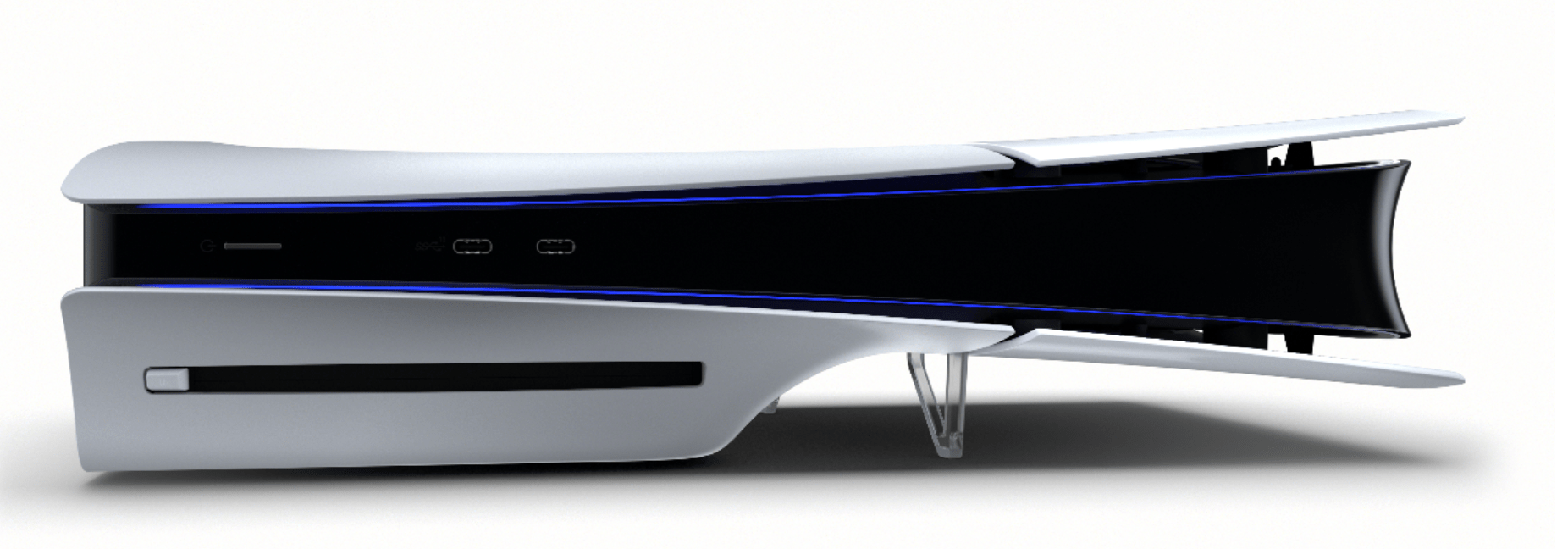
Instead, analysts point to unprecedented demand from artificial intelligence companies, whose massive appetite for DRAM and NAND memory has sent component costs soaring across the technology industry.
Microsoft has warned that console memory and storage costs have already increased by more than 2.5 times, with another major increase expected before the end of 2027.
Those costs are now being passed directly onto consumers.
Sony lifted Australian PlayStation prices for a third time in April, taking the PS5 Digital Edition to $919.95, the disc version to $999.95, the PS5 Pro to $1,399.95 and the PlayStation Portal to $389.95.
The PS5 disc model has now climbed $250 since launch in 2020, an increase of around 33%, bringing it back to the psychologically significant $999.95 price point that many Australian gamers still associate with the controversial PlayStation 3 launch two decades ago.
Microsoft is preparing another worldwide Xbox price rise from August 1.
While Australian pricing has yet to be confirmed, industry analysts expect increases of between $150 and $200, potentially pushing the Xbox Series X beyond $1,000 for the first time.
That would represent a dramatic reversal of Microsoft’s long-running strategy of positioning Xbox as the better-value alternative to PlayStation.
Instead, the more powerful Xbox could soon become the more expensive console.
The outlook is unlikely to improve anytime soon.
Jefferies Equity Research expects memory prices to climb another 40% to 50% during the third quarter of 2026, followed by a further 30% to 40% increase in the fourth quarter before another substantial rise in 2027.
TrendForce has already cut its global console shipment forecast for 2026, warning that one of the industry’s longest-standing business models is breaking down.
For more than 30 years, console makers relied on manufacturing efficiencies and falling semiconductor costs to reduce hardware prices over time while expanding their installed user base.
That model is now effectively dead.
Memory is expected to account for more than 35% of total console manufacturing costs by 2026, fundamentally changing the economics of future hardware.
The impact is already flowing through next-generation development.
Industry reports suggest the bill of materials for Sony’s planned PlayStation 6 has already increased by around A$300 because of higher RAM and storage costs, with some analysts now estimating a retail price approaching A$1,600.
Sony is reportedly considering delaying the launch until 2028 or later, while Microsoft’s next-generation Xbox, currently known internally as Project Helix, could also face delays if component costs continue rising.
The biggest winner from the disruption is Nintendo.
Despite PlayStation and Xbox suffering sharp declines, overall US gaming hardware spending actually increased 38% in May thanks largely to the launch of the Switch 2.
Circana says Nintendo’s latest console has become the second fastest-selling gaming system since it began tracking the market in 1995, trailing only the Game Boy Advance.
As Sony and Microsoft battle rising costs, shrinking margins and weakening demand, Nintendo appears to be capitalising on a market that increasingly favours affordable hardware over cutting-edge performance.
For Sony and Microsoft, the era of selling increasingly cheaper consoles to grow market share appears to be over.
The AI boom has rewritten the economics of gaming hardware, and consumers are now paying the price.