Headphone Market Fractures As Premium Buyers Stall, Value War Erupts And New Challengers Reshape The Category
 David Richards
29 Jun 2026
David Richards
29 Jun 2026
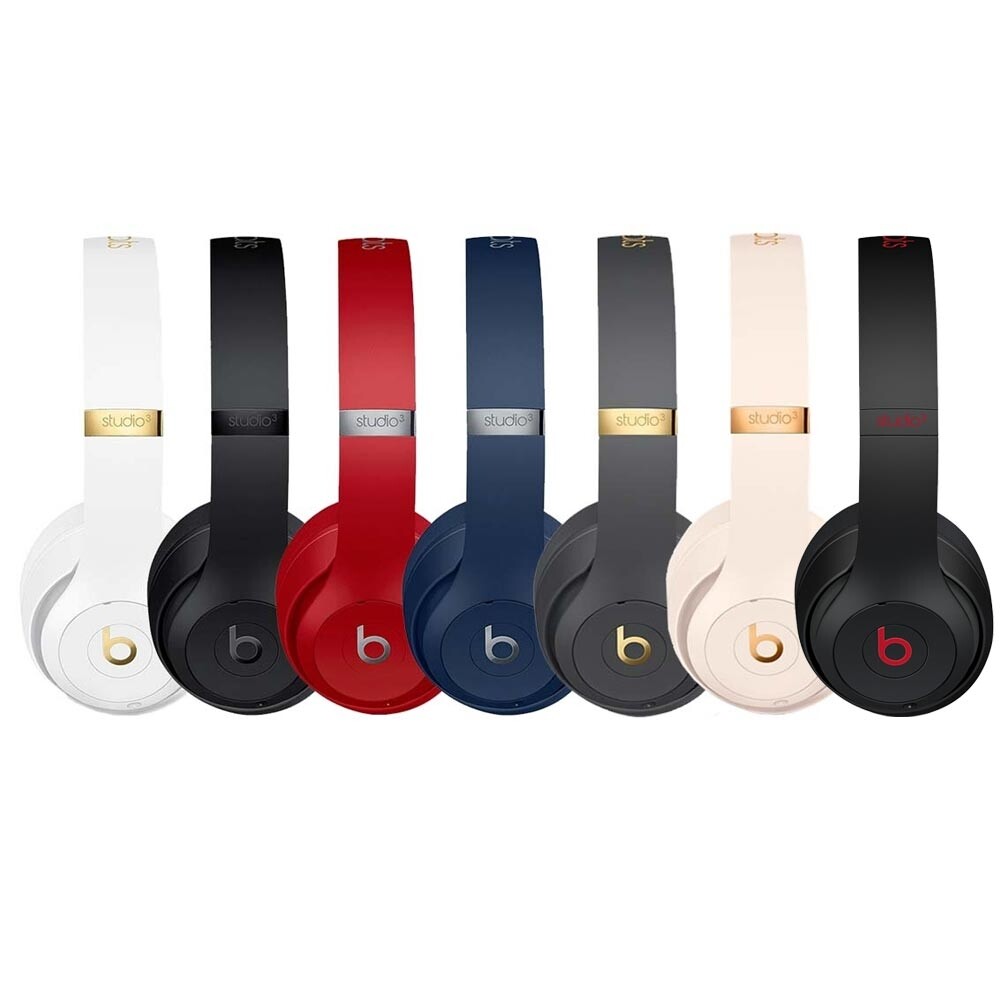
The headphones market is splintering, with multiple research firms now warning that the era of unified category growth is finished in Australia.
A deepening divide between premium, mid-tier and value segments is fundamentally reshaping competitive dynamics, and brands that fail to read the shift risk being caught on the wrong side of a market that rewards precision over volume.
New data from Futuresource Consulting confirms the market delivered broadly flat volume performance in 2025, but the headline number conceals a far more turbulent reality. Average selling prices are tracking downward in mid and lower tiers, competition is intensifying, and while unit volumes are rising, revenues and margins are not keeping pace.
The result, Futuresource says, is a market that is growing in units but struggling to translate that into profit.

Along with impressive tech, the refreshed JBL headphones look good too
The numbers behind the category are significant.
The global headphones market was valued at AUD $15.32 billion in 2025 and is projected to reach AUD $21.4 billion by 2035, reflecting a steady compound annual growth rate of 3.4% over the decade.
Separate forecasts from Mordor Intelligence put the active noise cancellation segment alone on an aggressive trajectory, growing from AUD $29.53 billion in 2025 to a projected AUD $64.85 billion by 2031, driven by hybrid work adoption, premium audio ecosystems and falling component costs.
The Premium Freeze
At the top end, Apple, Bose and Sony continue to anchor the category, but growth is no longer the primary objective. The fight among tier-one brands has shifted to margins, brand positioning and ecosystem lock-in. Consumers are holding onto devices longer and incremental product improvements are no longer sufficient to drive the upgrade cycles brands depend on.
Futuresource says premium demand has not collapsed, but expectations are resetting. Buying is becoming more deliberate and less reactive, with consumers focused on long-term value rather than chasing new releases. The pace of replacement has slowed materially.
Canalys data reinforces how entrenched the premium leaders remain.
Apple, including Beats, retained global TWS leadership in Q1 2025 with a 23% market share, leveraging ecosystem strength and an increasing focus on health integration.
Chinese brands climbed to second place, growing 63% year on year and surpassing nine million units for the first time, capturing a record 11.5% share, while Samsung, including Harman subsidiaries, held 7%.
In established markets such as North America, Apple maintained over 50% share, while several low-cost brands pulled back investments due to soft consumer demand and regulatory uncertainty, suggesting any recovery in those markets would remain fragile.
Meanwhile, Counterpoint Research has flagged that growth in TWS is cooling at the top. The global TWS market is forecast to grow at a mild pace of around 3% per year, with the slowdown tied to consumer cost concerns, longer device lifetimes and a lack of breakthrough technology advances compelling rapid upgrades.
The Value War Turns Deflationary
At the opposite end of the market, volume is surging but profitability is under severe pressure. Multiple brands are pushing units into the market aggressively, but that growth is coming with clear trade-offs. Revenues are under pressure, margins are tightening and differentiation is increasingly difficult to sustain.
Component commoditisation is accelerating the problem. MEMS microphone advances have slashed the cost of hybrid active noise cancellation architectures, moving features once reserved for AUD $435 flagship products into sub-AUD $145 earbuds from brands such as Anker and Xiaomi. While this enlarges the addressable consumer base, it simultaneously intensifies price competition and quickens product refresh cycles.
Mordor Intelligence notes the price-band dynamics are stark. The low-price segment of the ANC market is forecast to grow at the fastest rate among all price bands through to 2031, at a CAGR of 14.63%. Volume is achievable. Profitability is not guaranteed.
The Middle Is Where The Real Battle Is
Between the premium freeze and the value war, something more strategically interesting is emerging. A group of brands is finding ways to grow both volume and value simultaneously, through disciplined pricing and a careful balance of identity and performance.
Futuresource specifically calls out Anker, Nothing and Realme as key examples of this approach.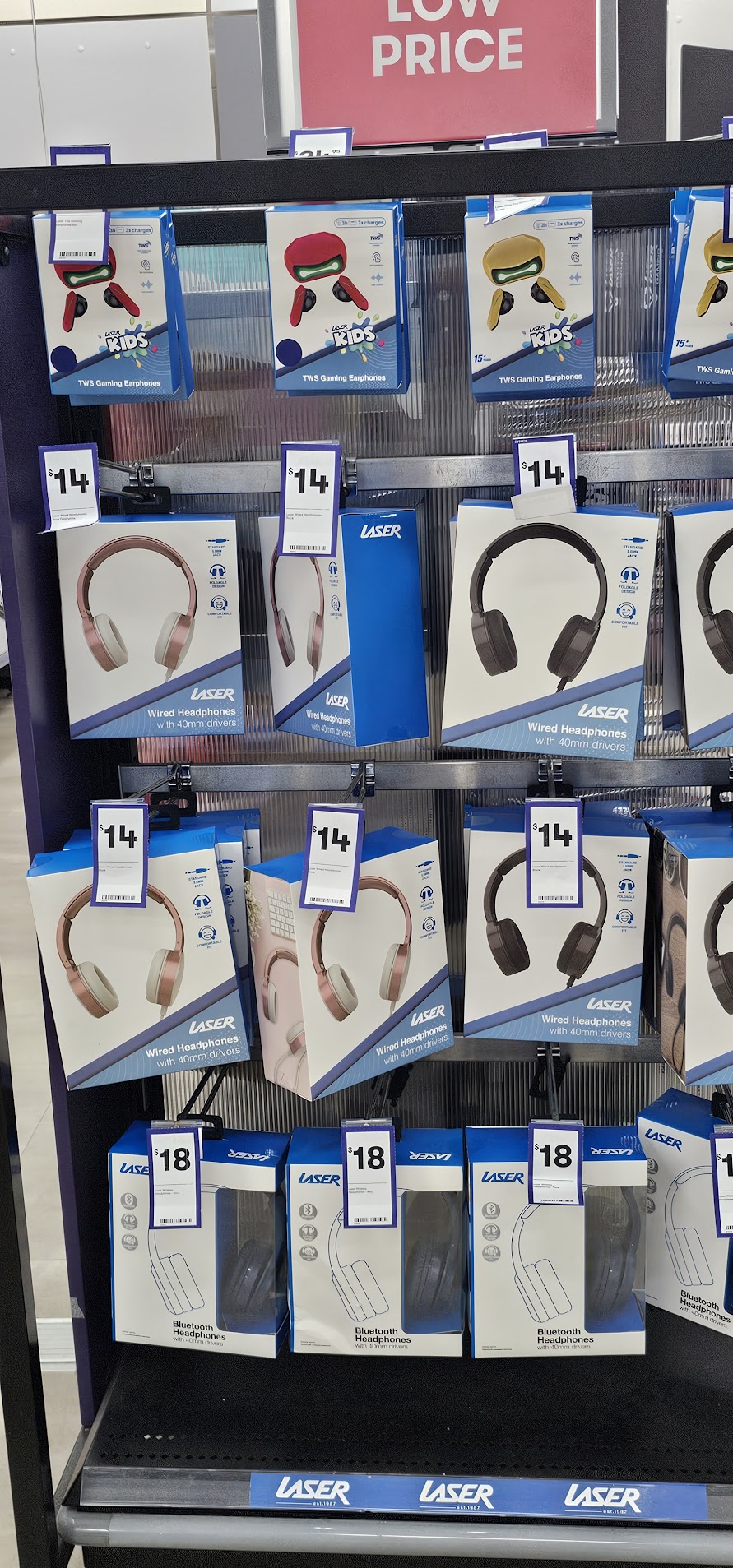
By maintaining pricing discipline and building distinct positioning, these brands are carving out sustainable growth in accessible segments. Nothing in particular is building an identity-led niche among younger consumers, competing on design and brand relevance rather than commoditised specifications.
This mirrors a broader shift identified by Canalys, which describes the TWS market as entering a new phase defined by product diversification, brand elevation and personalised experiences. Open-ear wireless devices are surging, outgrowing the broader TWS market as the sector shifts toward lifestyle-oriented, value-driven products, with mainstream players investing in ear-hook and ear-clip designs using gradient finishes, crystals and metallic inlays.
True wireless remains the dominant format globally, accounting for the majority of both volume and value, and continues to serve as the primary entry point for consumers moving into higher quality personal audio. But it is also where competitive pressure is most acute.
Global headphone shipments exceeded 400 million units in 2024, with wireless formats now constituting nearly 65% of total shipments, driven by Bluetooth advances and consumer preference for cordless audio.
Demand for noise-cancelling specifically has surged, with ANC headphones reaching approximately 50 million units in 2024.
Futuresource analyst Aishwarya Bhide says true wireless remains the centre of gravity for the category, but the gap between unit growth and revenue is widening as more brands enter the space and pricing turns increasingly aggressive.
Even at the premium end, pricing pressure is becoming more visible.

Denon WH-C840NCW
The Australian Dimension
For the local market, the global dynamics are playing out with particular intensity. Australia’s headphone market revenue is projected to reach AUD $344.3 million in 2025, with 2% volume growth expected in 2026.
The country’s tech-savvy, mobile population is driving demand particularly for wireless and noise-cancelling products.
The Australian active noise cancellation segment alone was valued at AUD $20.46 million in 2025 and is forecast to expand to AUD $53.6 million by 2034, growing at an 11.22% CAGR, reflecting the local consumer appetite for premium audio functionality even as price sensitivity intensifies in entry-level segments.
Gaming is emerging as a significant growth driver locally, with close to 17 million Australians playing online games as of June 2025, creating sustained demand for dedicated gaming headsets and earbuds with low latency and spatial audio capabilities.
For Australian retailers, the message is unambiguous.
The easy headphone sale is gone.
What replaces it is a more demanding consumer, a fiercer price war at the bottom, a stalling upgrade cycle at the top, and a mid-market that will reward brands with identity and discipline over those chasing pure volume. Getting the range architecture right has never mattered more.