SONY’S LONG FALL: Scandals, Regulatory Battles and Strategic Brand Failures Leave an Icon Fighting for Relevance
 David Richards
02 Jun 2026
David Richards
02 Jun 2026
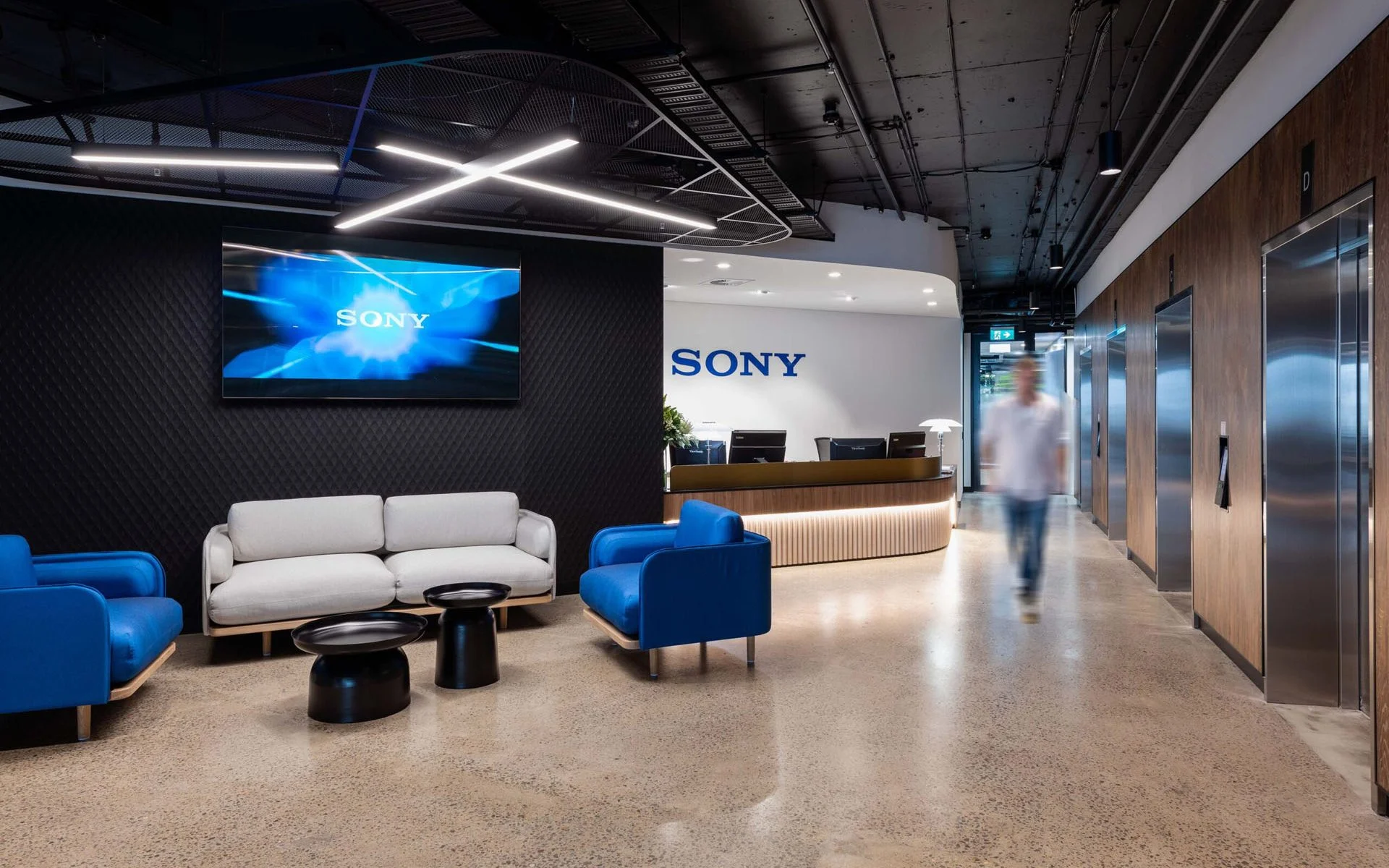
Once the undisputed king of consumer electronics, Sony now finds itself confronting the consequences of decades of missteps, executive turmoil, regulatory sanctions, cultural scandals and a shrinking role in the very industries it helped create.
For generations, the Sony name stood for innovation.
From the Walkman and Trinitron television to the PlayStation and Bravia brands, the Japanese electronics giant was once regarded as one of the world’s most admired corporations — a company that shaped how consumers listened to music, watched television and interacted with technology.
Today, however, a very different story is emerging in Australia with their latest last TV push seen as the end of the road for a Company who still has audio and cameras left in their arsenal of products and even these categories are facing tough competition.
A series of executive departures, regulatory investigations, tax disputes, consumer law breaches, workplace culture scandals and strategic retreats have painted a troubling picture of a company struggling to reconcile its celebrated past with an increasingly uncertain future.
What was once one of the most dominant brands in Australian electronics now faces questions about governance, culture, strategy and relevance.
And nowhere has that decline been more visible than in Australia.
The Executive Exit That Raised Questions
One of of internal drama’s yet least publicly discussed episodes unfolded in late 2020.
Abel Makhraz, the senior executive who had overseen Sony Australia’s consumer electronics division since 2006, suddenly departed the company amid circumstances that industry sources say were linked to a major distribution controversy involving Melbourne-based Directed Electronics.
According to multiple sources in the Company who contacted ChannelNews, and were familiar with the matter, claimed Makhraz was escorted from Sony’s offices as internal investigations intensified.
At the same time, Directed Electronics was abruptly removed as Sony’s consumer products distribution partner.
The timing was impossible to ignore.
Yet Sony refused to publicly explain either development.
Instead, the company announced a new distribution arrangement with Ingram Micro, presenting the move as a strategic realignment rather than a response to controversy.
No public explanation was offered regarding Makhraz’s departure.
No acknowledgement was made of any dispute involving Directed Electronics.
The silence only fuelled speculation within the industry.
For observers of Sony’s Australian operations, the episode was merely another major issue impacting the Company.
“We Were a Bit Arrogant”
Perhaps the most striking assessment of Sony’s decline has come not from critics but from one of the company’s own former CEO Carl Rose.
Rose who later left amid separate investigations involving both the Australian Taxation Office and the Australian Competition and Consumer Commission offered a remarkably candid diagnosis of what went wrong at Sony in an AFR interview some years after leaving Sony.

Former Sony CEO Carl Rose
His conclusion was blunt.
Sony became” arrogant”.
“I think there was a realisation that whilst we had been clever in the way we introduced well-engineered products, we realised we had been a bit arrogant,” he admitted.
It is a rare confession from a senior executive associated with one of the world’s most recognisable brands.
According to the former CEO, Sony’s success created an internal culture that gradually lost touch with changing market realities.
Management began believing its own mythology.
The company that once disrupted industries increasingly assumed consumers would remain loyal regardless of performance.
That confidence eventually turned into complacency.
And complacency became decline.
A War With The Media
The growing disconnect between Sony management and reality extended beyond customers and competitors.
It also affected the company’s relationship with the media.
During one particularly contentious period, Sony’s communications team attempted to suppress reporting by ChannelNews and SmartHouse concerning the company’s Australian operations.
Industry insiders recall efforts by public relations executive Jenny Geddes to pressure ChannelNews into removing stories critical of Sony.
The campaign proved unsuccessful.
Reports continued to be published.
Rather than address the issues being reported, Sony reportedly responded by blacklisting 4Square Media which unfortunately for Sony our stories and exposures kept coming.
Critics argue the strategy reflected a broader corporate culture that preferred managing perception over confronting underlying problems.
For a company already facing growing competitive pressures, it represented yet another distraction from more urgent challenges.
Customers Finally Walk Away
For years, Sony benefited from one powerful advantage.
Loyalty.
Generations of consumers trusted the brand.
Many were willing to overlook mistakes because they believed Sony would eventually recover its innovative edge.
The company’s former CEO acknowledged as much.
Consumers continued buying Sony products despite warning signs because they believed the company would eventually correct course.
“They were saying, ‘Don’t worry, Sony will get it right because we have faith.'”
But faith has limits.
Eventually consumers stopped waiting.
Many quietly migrated to Samsung, LG and other emerging competitors in the TV market.
Once they left, most never returned.
The consequences became increasingly visible.
Sony’s Australian footprint steadily shrank.

Even the naming rights on their North Sydney Office have gone.
The large North Ryde offices that once reflected the company’s market dominance disappeared.
Headcount reduced.
Corporate prestige faded.
Even the physical presence that once symbolised Sony’s strength diminished.
The contraction mirrored what was occurring globally.
How Sony Lost The Television War
While internal challenges mounted, a more fundamental strategic failure was unfolding.
Sony failed to recognise a manufacturing revolution taking place in South Korea.
Samsung and LG were making investments that would permanently reshape the television industry.
Unlike Sony, the Korean manufacturers aggressively invested in semiconductor production, display manufacturing and supply-chain integration.
Those investments created enormous cost advantages.
Sony, meanwhile, remained focused primarily on branding, design and product engineering.
For a time, that strategy worked.
Eventually it became a liability.
The former Sony CEO believes this was the moment the company began losing control of its future.
“What the Koreans understood very early in the piece was that investing in semiconductors and flat-panel technology helps you manage the upstream supply chain.”
As production costs fell and display technology rapidly evolved, Samsung and LG gained increasing control over the economics of the industry.
Sony found itself trapped.
Unable to match manufacturing scale and unable to sustain premium pricing, it was repeatedly forced into discounting products simply to remain competitive but it was too late for Sony.
For a company that once defined the premium television category, the decline was devastating.
Regulatory Trouble.
The ATO Investigation of Sony’s Australian operationl represented a new low for Sony.
In 2013, the company became embroiled in a major dispute with the Australian Taxation Office over its transfer-pricing arrangements.
The investigation formed part of a broader crackdown on multinational corporations shifting profits offshore.
After extensive examination of Sony’s tax structures, authorities determined the company owed substantial additional payments.
The outcome was significant.
Sony was required to pay approximately $32 million in back taxes and a further $21 million in penalties.
The combined $53 million settlement represented one of the most serious financial blows suffered by the company in Australia.
More importantly, it highlighted growing concerns among regulators regarding multinational corporate practices.
The PlayStation Refund Scandal
If the tax dispute damaged Sony financially, the PlayStation controversy damaged another subsidiary that operated in Australia.
In 2020, the Federal Court ordered Sony Interactive Entertainment Network Europe to pay penalties of $3.5 million following proceedings initiated by the ACCC.
The court found Sony had made false or misleading representations regarding consumer refund rights.
Customers were incorrectly told that downloaded games could not be refunded.
Others were told refunds were unavailable after fourteen days.
Some consumers were informed refunds could only be provided through PlayStation Store credits.
The Federal Court rejected those claims.
Australian Consumer Law guarantees consumers rights that cannot be overridden by internal corporate policies.
The ruling represented a significant victory for consumer advocates and a major embarrassment for Sony.
One of the world’s most recognised technology brands had been publicly sanctioned for misleading its customers.
The Sony Music Crisis
Perhaps the most explosive controversy emerged from an entirely different division.
In 2021, longtime Sony Music Australia chief executive Denis Handlin departed after an avalanche of allegations from former employees.
More than twenty former staff members reportedly described a workplace culture characterised by bullying, intimidation, sexism, excessive drinking and fear-based management.
Handlin himself was not publicly accused of sexual harassment.
However, critics alleged he presided over an environment where inappropriate behaviour was tolerated and complaints were inadequately addressed.
The allegations generated national headlines.
For Sony, the timing could hardly have been worse.
Questions about workplace culture arrived alongside mounting concerns about governance, consumer conduct and executive oversight.
The scandal became one of the most significant reputational crises in Sony Australia’s history.
Even after Handlin’s departure, reports continued to emerge suggesting cultural issues had not been fully resolved.
Fresh complaints surfaced years later, reigniting concerns that deeper systemic problems remained embedded within the organisation.
The Bravia Reckoning
The latest chapter in Sony’s decline may prove the most symbolic.
The creation of Bravia Inc., with Chinese electronics giant TCL holding a controlling stake, represents a stunning reversal for a company that once dominated the television market.
Sony created some of the most iconic televisions ever sold.
The Trinitron was legendary.
The Bravia brand was launched as a statement of technological leadership.
Today, critics argue the reality is very different.
The brand survives.
The dominance does not.
The television business that once helped define Sony increasingly relies on partnerships and structures in which the company no longer exercises full control.
For many industry veterans, the development serves as a stark reminder of how dramatically the balance of power has shifted.
The company that once led the global television industry now finds itself dependent on manufacturers it once viewed as rivals.
An Icon’s Uncertain Future
Sony remains a powerful global corporation.
The PlayStation business continues to generate billions.
Its film and music assets remain valuable.
Its camera technologies remain respected throughout the industry.
Yet in Australia, the past two decades have exposed repeated failures across multiple fronts.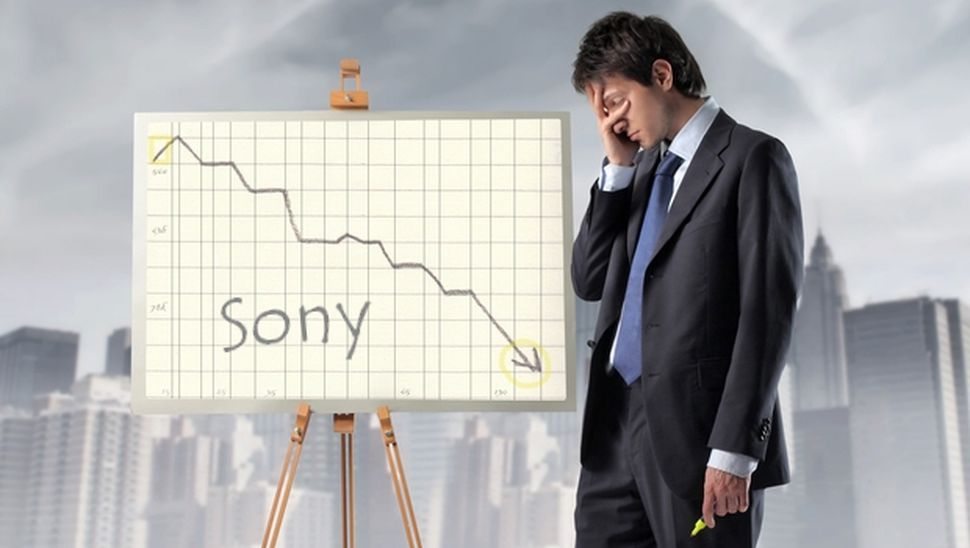
Executive controversies.
Distribution scandals.
Tax investigations.
Consumer law breaches.
Workplace culture crises.
Strategic miscalculations.
Taken individually, each episode might have been survivable.
Together, they tell the story of a corporation that gradually lost the discipline, humility and strategic clarity that once made it great.
The tragedy for Sony is not merely that it lost market share.
It is that it lost the qualities that created its success in the first place.
For a generation that grew up believing Sony represented the future, the company’s Australian story now reads less like a tale of innovation and more like a cautionary lesson in how even the most admired brands can fall.
The question facing Sony is no longer whether it can reclaim the dominance of its past.
That era is over.
The question now is whether the company can avoid becoming a case study in corporate decline in Australia or whether they will stay in the consumer market or simply throw in the towel and hand the products they have left to distributors.