Nine News Audience Slides As Left-Wing Bias Backlash Grows Following New One Nation Attack
 David Richards
22 Sep 2026
David Richards
22 Sep 2026

Once the home of Kerry Packer’s unapologetically conservative television network, Nine is facing growing claims that its news and current affairs operation has lurched to the political left, with their traditional broadcast audience turning off the network and advertisers going elewhere to market their products.
The latest flashpoint is Nine’s decision to interview Ku Klux Klan leader Thomas Robb for its Trump’s America: The Divided States program and ask him about One Nation leader Pauline Hanson.
Robb praised elements of Hanson’s politics and described One Nation’s rising popularity as “encouraging”, prompting Hanson to accuse Nine of attempting to associate her party with one of the world’s most notorious racist organisations.
Hanson condemned the segment as “disgusting” and “a new low for the Australian media”, insisting neither One Nation nor its supporters endorsed the views of the KKK.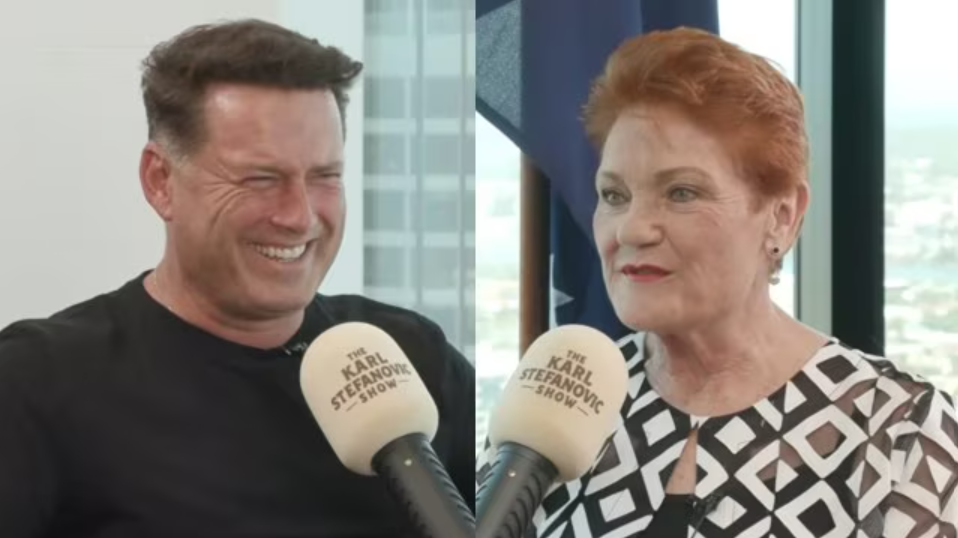
The question is whether seeking the endorsement of a US white supremacist leader represented legitimate scrutiny or a calculated political ambush designed to damage Hanson through association.
Critics argue the report is further evidence that Nine’s television news and current affairs coverage is increasingly reflecting the progressive political positioning long associated with its publishing mastheads, The Sydney Morning Herald and The Age.
Those claims remain a matter of political and editorial judgement, by left wing supporting producers and editorial staff who often team up with each other to produce what has been described as stories aimed at damaging right wing political parties.
However, there is academic evidence that Nine’s newspaper portfolio shifted away from conservative language following its merger with Fairfax.
A University of Melbourne study examined more than 30 million articles from more than 200 Australian newspapers between 2000 and 2022.
It found that Nine’s acquisition of Fairfax resulted in the acquired newspapers shifting away from a conservative slant to left wing.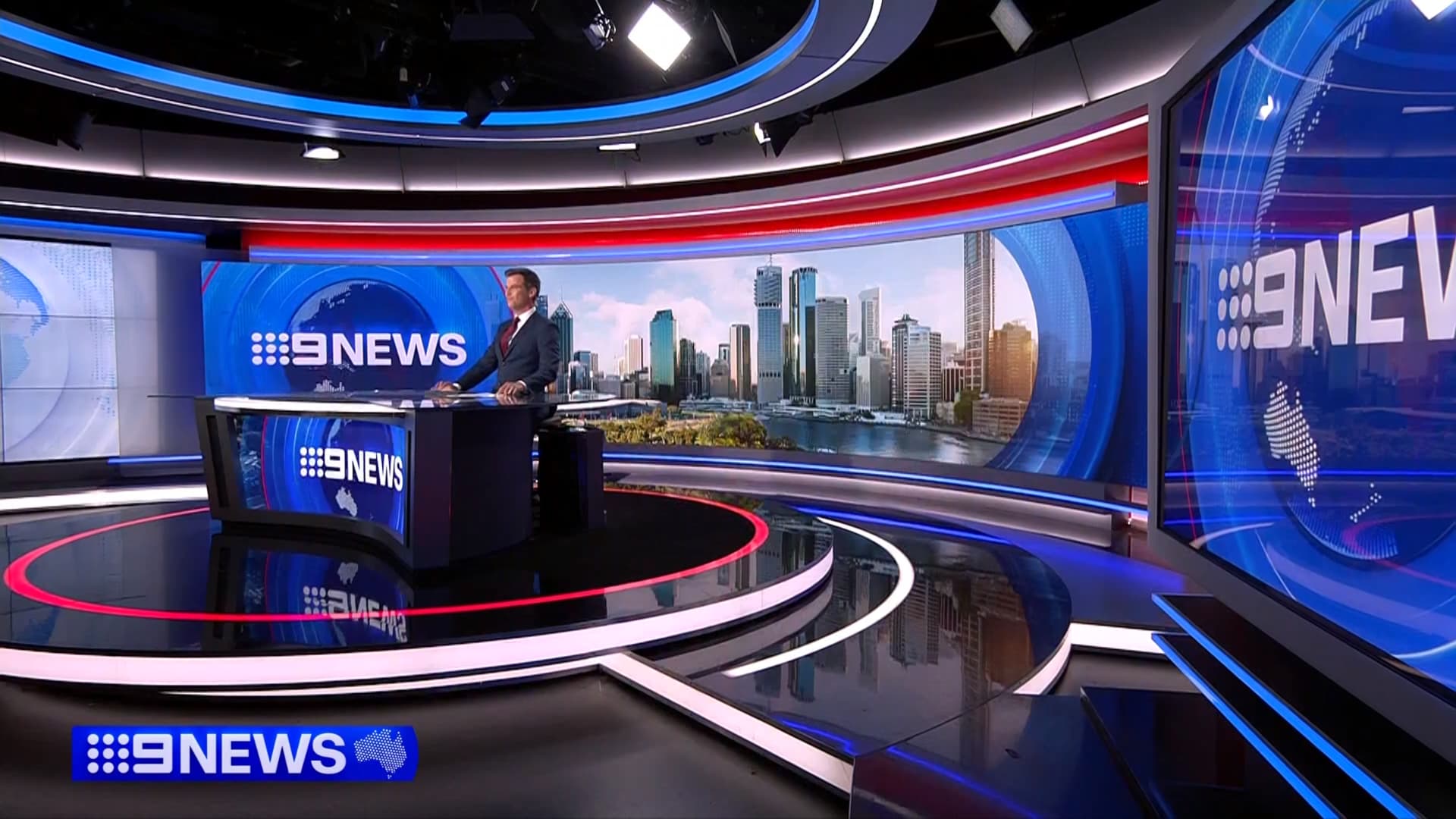
The research does not establish that Nine television news is “left wing”, but it strengthens the argument that a measurable political shift has occurred within parts of the Nine media empire.
Commentary across the Herald and The Age on climate policy, Indigenous affairs, Donald Trump, immigration and identity politics has also fuelled perceptions that the mastheads lean increasingly in support of Labor policies.
The Australian Financial Review is the notable exception, frequently taking more economically conservative positions.
Nine also makes extensive use of CNN material for its US and international coverage, this network is seen by the current US administration as being hard core left wing along with MSBC.
That relationship has come under renewed scrutiny after the Trump White House revoked CNN’s access, accusing it of spreading “fake news”.
CNN is challenging the action as unconstitutional viewpoint discrimination. Nine itself has not been banned from the White House and maintains its own correspondents and access to agency and pool material.
However, the attack on CNN raises questions about Nine’s reliance on a US network widely perceived as hostile to Trump with both on air staff and journalists constantly ruinng negative Trump storiesd.
The debate intensified following the departure of Today host Karl Stefanovic as his independent podcast adopted a more overtly conservative tone. There is no public evidence that his politics caused his exit, but the timing has added to perceptions that dissenting voices are becoming harder to find inside Nine.
Labor Government Millions Flow To Nine
The political argument has been further inflamed by the Albanese Government’s Journalism Assistance Fund, from which Nine’s eligible publishing operations were awarded A$16,126,110 over three years.
The grant covers the period from 2025–26 to 2027–28 and is calculated at A$39,000, plus GST, for each eligible full-time-equivalent journalist, equivalent to A$13,000 annually.
Nine’s allocation represents approximately A$5.38 million a year and almost 24% of the entire A$67.6 million fund.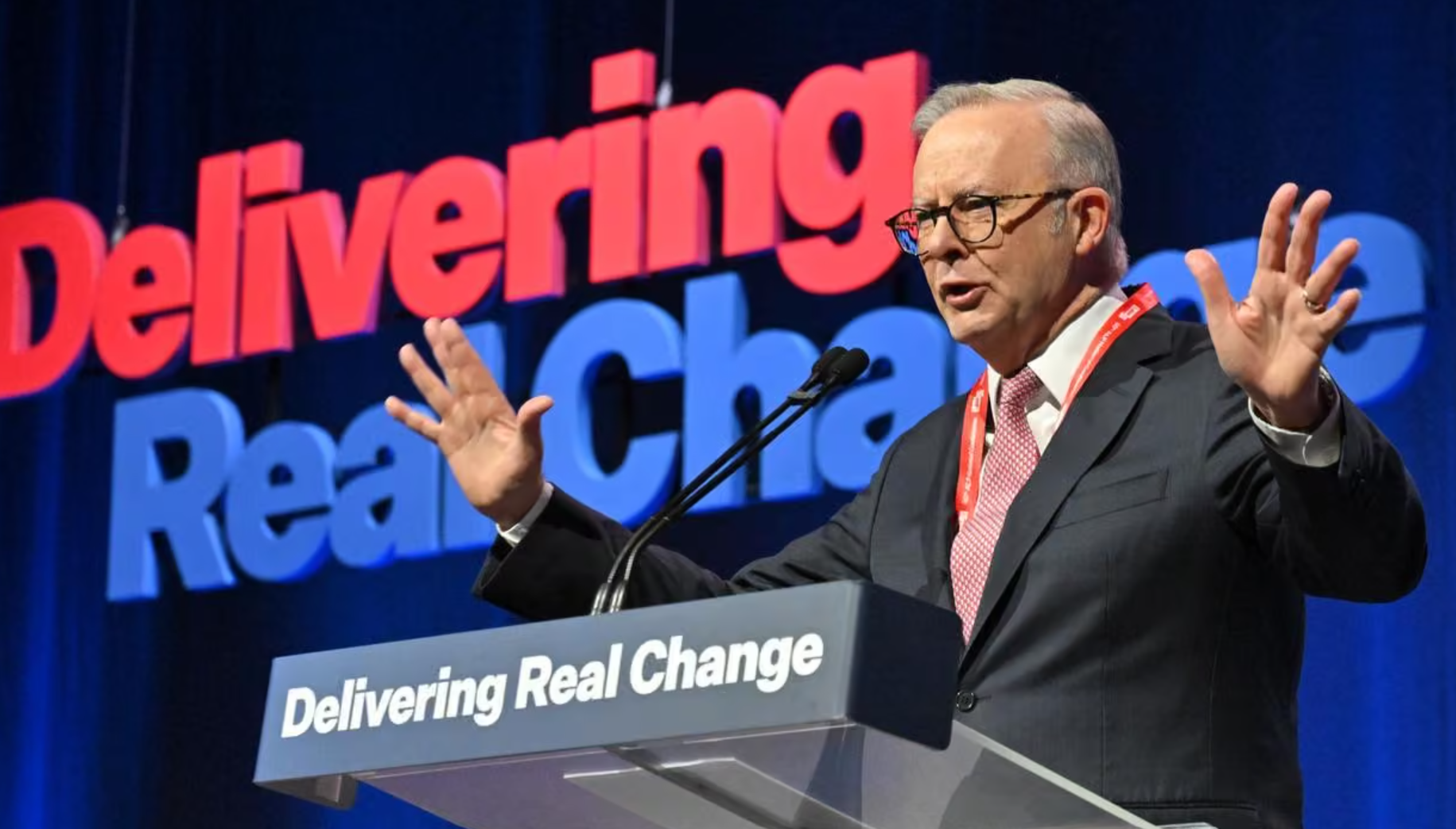
The money is directed to eligible publishing operations and journalist wage costs, not Nine Network television news. There is also no evidence the funding requires favourable coverage of Labor.
Nevertheless, the scale of the payment creates an unavoidable perception problem when a media group receiving more than A$16 million from a Labor Government is simultaneously accused of producing coverage hostile to Labor’s political opponents.
Nine also receives Commonwealth revenue through advertising placed across its television network, 9Now, digital sites and newspapers. The company has benefited from the suspension of the Commercial Broadcasting Tax and strongly supported legislation designed to force major technology platforms to pay Australian news publishers for content.
For critics, the question is simple: can a media company receiving millions in direct and indirect government support credibly scrutinise the government providing it?
Broadcast News Audience Down More Than A Quarter
Nine’s political repositioning comes as its conventional television news audience has fallen sharply over the past decade.
In 2015, Nine News averaged approximately 1.057 million viewers across the five mainland capital cities at 6pm.
For the 2026 ratings year to July 26, Nine reported an average Total TV audience of approximately 925,400. That figure included around 150,200 viewers watching through 9Now.
Removing the streaming audience leaves an estimated conventional broadcast audience of approximately 775,200, a decline of about 26.7% compared with 2015.
Nine can legitimately argue that its combined television and streaming news audience has remained comparatively resilient. But its Total TV presentation also disguises an uncomfortable reality: the audience watching its flagship news service through conventional free-to-air television has fallen by more than one-quarter.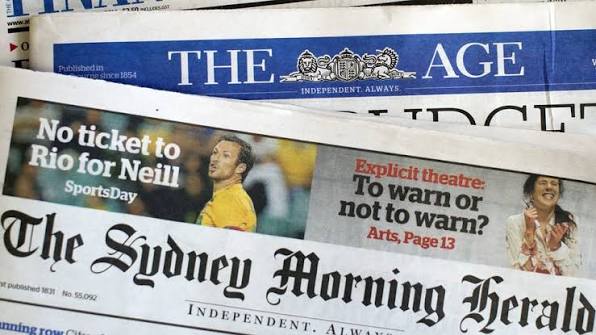
The financial performance is equally revealing.
Nine’s FY26 results show Total Television revenue fell 9% to A$1.027 billion. EBITDA dropped 12% to A$133.5 million, while EBITA fell 19% to A$78.9 million.
Regional television revenue declined 12%, while Nine stripped A$80 million, or 8%, from Total Television costs to defend earnings in a weak advertising market.
The company also booked a massive A$426 million post-tax impairment against Total Television, principally covering broadcast licences, equipment, software and legacy international content rights.
Nine attributed that write-down to current free-to-air broadcast advertising conditions.
Nine insists its news remains independent and that Total TV audiences are strengthening through 9Now. Its critics see a different picture: a once-dominant broadcast institution shedding linear viewers, accepting millions in government assistance and moving politically further away from the conservative audience that helped build it.
The numbers establish Nine’s broadcast decline. The political direction remains contested.
But after the Hanson-KKK controversy, Nine can no longer dismiss questions about its political positioning as criticism coming only from the fringes.