Samsung Display reaches 10,000-nit milestone with new M16 OLED
 Emma Wheaton
22 Sep 2026
Emma Wheaton
22 Sep 2026
Samsung Display has unveiled a new mobile OLED panel capable of reaching a peak brightness of 10,000 nits, setting a new milestone for smartphone display technology, although only across a small portion of the screen.
Samsung Display formally introduced its latest M16 OLED material stack this week, claiming it delivers around 30% greater efficiency than the previous M14 generation. Note the company has skipped the M15 designation.
The technology was demonstrated in a 6.9-inch OLED panel with a 2560 × 1440 resolution, a variable refresh rate of up to 165Hz, increased colour volume and 3300Hz PWM dimming which is designed to reduce visible flicker.
According to Samsung Display, the panel is the first OLED display to achieve 10,000 nits of peak brightness within a 1% window. Under the same demonstration, the panel reached 2,800 nits when displaying a full-screen white image.

It’s an important distinction as the 10,000-nit figure only applies only to a very small portion of the display, rather than representing the brightness users can expect across the entire screen. It is an achievement however, and highlights the rapid development of OLED technology. The industry has previously reached a 5,000-nit milestone only in early 2025.
M16 combines Samsung Display’s latest OLED materials with its second-generation polariser-free design, known as Lead 2.0. Eliminating the polariser can improve energy and luminance efficiency, although Samsung says that could affect black levels and contrast in bright environments.
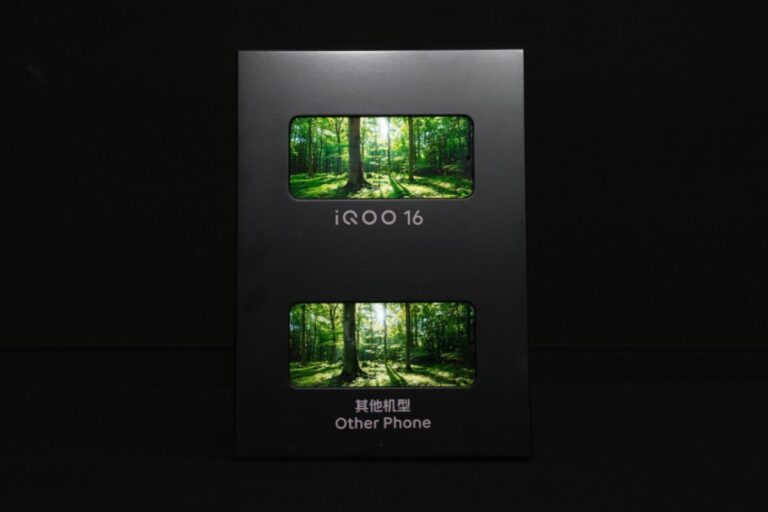
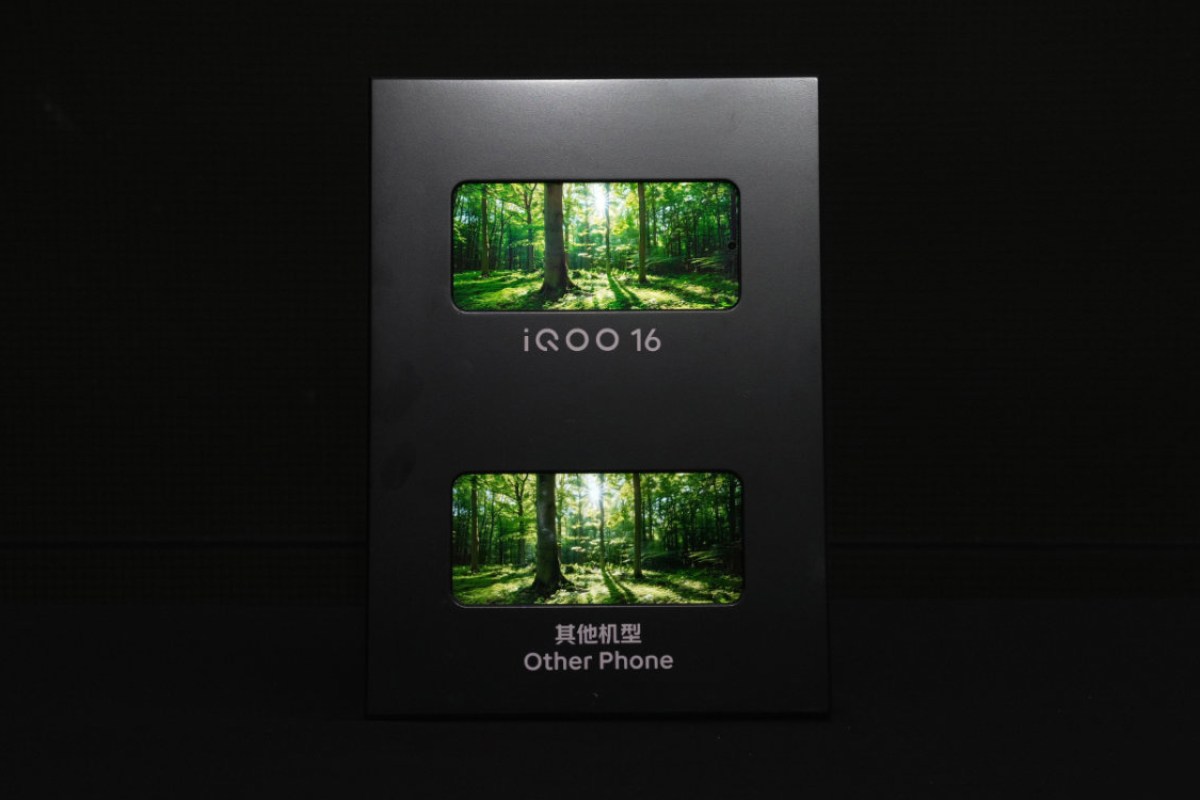
The first smartphone confirmed to use the new 6.9-inch M16 panel is Vivo’s upcoming iQOO 16 gaming smartphone. Reports have also linked M16 to future Apple and Samsung Galaxy devices.
Samsung Display’s latest achievement is another step in the industry’s push towards brighter, more efficient OLED panels.