Sony Sensor Upgrade Set To Boost Flagship Smartphone Cameras
 Joe Gallop
24 Jun 2026
Joe Gallop
24 Jun 2026

Sony is ramping up its push into premium smartphone imaging, with its semiconductor arm preparing to ship a new image sensor designed to deliver sharper zoom images and faster high-resolution video capture.
Sony Semiconductor Solutions will begin shipping a new 64-megapixel smartphone image sensor this month, using a redesigned colour filter structure that the company says improves image resolution by more than 20% compared with existing models.
The sensor has a 1/2-inch optical format, which is relatively large for a smartphone zoom camera module. It is aimed at high-end handsets where manufacturers are trying to improve telephoto performance without increasing phone thickness.
Traditional image sensors use red, green and blue filters over pixels to capture colour and detail. Green filters play a particularly important role in image resolution. Sony’s new design uses green filters that are a quarter of the size of the red and blue filters, allowing the sensor to improve image quality without making the chip larger or shrinking the pixels further.

Sony claims the sensor can read data twice as fast as previous models and support 4K video capture at 120 frames per second, a specification likely to appeal to smartphone vendors targeting premium video performance.
The launch follows Sony’s separate announcement of the LYTIA L910, a 50-megapixel flagship mobile image sensor using LOFIC technology, or Lateral Overflow Integration Capacitor, to improve dynamic range.
The LYTIA L910 is Sony’s first LYTIA sensor with LOFIC architecture and is designed to reduce blown-out highlights and noise in dark areas.
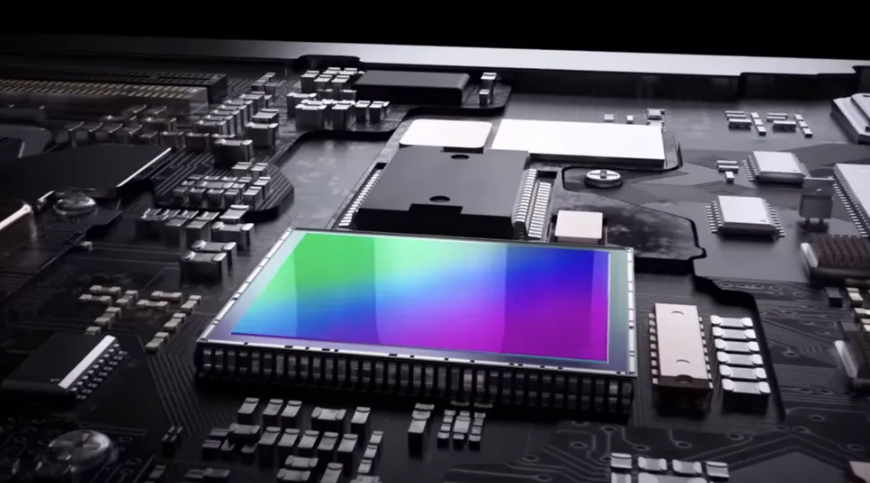
Sony claims the sensor can achieve 100dB dynamic range from a single exposure, equivalent to roughly 16.6 stops, while supporting 4K video at 60 frames per second.
The tech is aimed at improving smartphone photography in difficult lighting conditions such as night scenes, concerts, bright LED environments and interiors with strong backlighting.
Sony has not confirmed which smartphone brands will use the new sensors, though the company remains a major supplier to leading handset makers.
Mass production of the LYTIA L910 is planned for mid-2026, meaning it could appear in flagship devices before the end of the year.