Sonos Targets $40M Tariff Refund as Revenue Rises 8% Under New Leadership
 David Richards
05 May 2026
David Richards
05 May 2026

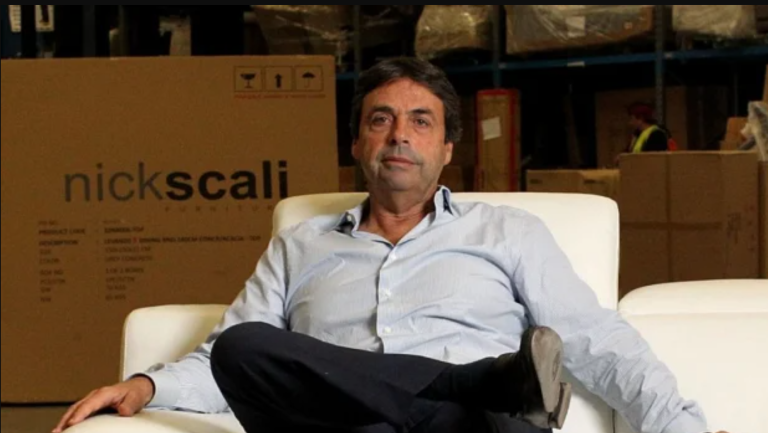
Sonos is seeking to recover US$40 million in tariffs paid to the Trump administration, a disclosure that came as the US audio company reported an 8% lift in second quarter revenue and its first signs of a business turnaround under new chief executive Tom Conrad (seen above).
The company made the refund disclosure during its fiscal second quarter earnings call, with Conrad noting the timing of any payment remains “uncertain.” The announcement follows a Supreme Court ruling in February that struck down sweeping global tariffs, prompting the US government to begin repaying up to US$166 billion in collected revenue, with first payments scheduled for May 11.
Second quarter revenue reached US$282 million, up 8% year over year, driven by strong international market performance. In the Asia Pacific region, where Australia accounts for the bulk of sales, revenue rose to US$17.75 million, up from US$14.16 million in the prior corresponding period. Revenue for the six months to March 26, 2026 was reported at US$45.10 million.
Conrad, who took the helm following a turbulent period for the business, said the results mark “an important turning point for Sonos as we return to growth and change the trajectory of the business.”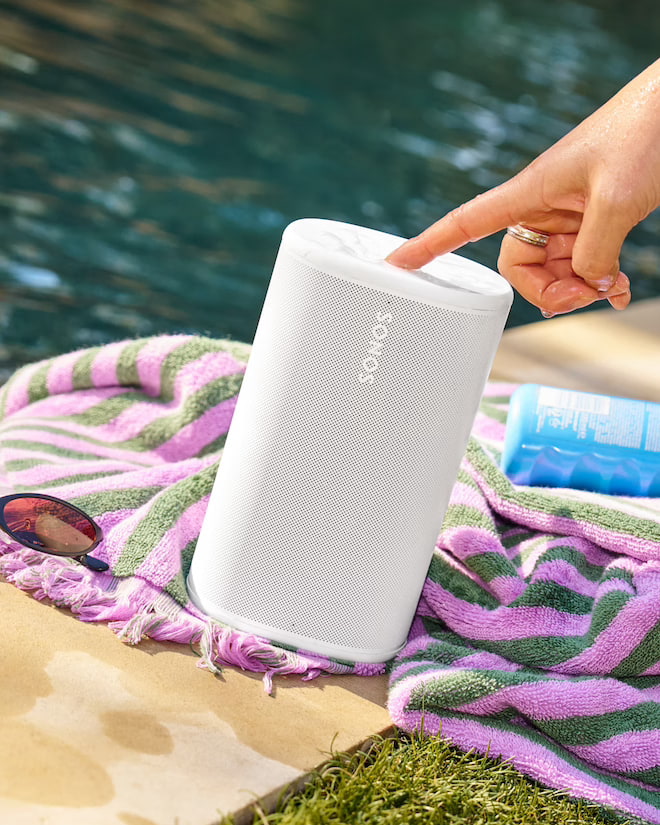
Sonos shares, which had fallen 15% this year through Monday’s market close, rose as much as 6% in after-hours trading following the earnings release.
Alongside the revenue result, Sonos announced the appointment of Frank Barbieri, a former Walmart executive, as its new chief operating officer. Conrad described Barbieri as bringing “over 25 years of experience building and scaling businesses,” adding that his “commercial depth, operational discipline, and genuine passion for consumer products” made him the right appointment.
The company also returned to hardware releases near the end of the quarter, introducing the Sonos Play portable speaker and Era 100 SL, products that contributed to the sales recovery after an extended pause in new product development.
An ongoing memory chip shortage continues to pressure consumer electronics prices, though Conrad said Sonos has been preparing for the situation since early 2025 and is optimising memory usage across current and future hardware designs. “We’re feeling really good about supply,” he said. Whether the 8% revenue increase reflects genuine volume growth or is partly attributable to price rises and tariff pass-throughs has not been disclosed.
For the third quarter, Sonos is forecasting adjusted earnings before interest, taxes, depreciation and amortisation of between US$20 million and US$48 million.
Looking ahead, the company has identified significant growth potential in expanding device ownership among existing customers. Moving multi-product households from an average of 4.5 devices to 6 represents a US$5 billion incremental revenue opportunity, while converting single-product households to multi-product ownership could add a further US$7 billion.
Conrad has also flagged artificial intelligence as a strategic priority, arguing Sonos is well-positioned to deliver AI services through its existing home audio platform. “At Sonos, we already have that path,” he said, describing it as “a head start that nobody else can buy.”