Amazon Expands Shipping Network To Rival Logistics Giants
 April Ossington
05 May 2026
April Ossington
05 May 2026

Amazon has taken a major step into the global logistics market by opening its delivery network to businesses beyond its own marketplace, a move that has already sent shockwaves through the transport sector.
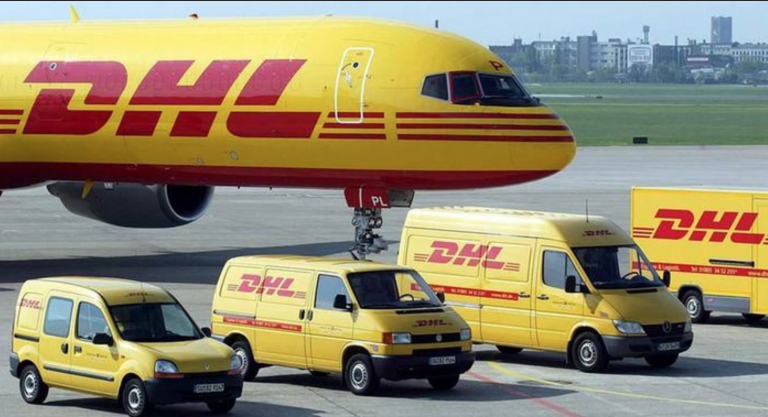
The company’s new offering, Amazon Supply Chain Services, will allow organisations of all sizes to use its extensive infrastructure for freight, storage, fulfilment and parcel delivery. The service positions Amazon in more direct competition with established players such as DHL, UPS and FedEx.
The announcement triggered an immediate market reaction, with shares in FedEx and UPS both falling by about 10 per cent. Other logistics firms were also hit, including GXO Logistics, which dropped 13 per cent, while XPO Inc. and Old Dominion Freight Line each declined by 6 per cent.
Several major brands have already signed on to the service, including Procter and Gamble, 3M, Lands’ End and American Eagle Outfitters. These companies are using Amazon’s network in different ways, from transporting goods between manufacturing sites and warehouses to handling direct-to-consumer deliveries.
Amazon said it has long provided similar services to hundreds of thousands of sellers on its platform and is now extending those capabilities more broadly by utilising spare capacity across its network. The company has spent years building out a logistics system that includes fulfilment centres, aircraft, trucks and last-mile delivery operations.
Industry analysts suggest the move could have far-reaching consequences. Morgan Stanley analyst Ravi Shanker described the launch as a potential turning point for freight transportation in North America, with air freight and parcel delivery companies likely to feel the most immediate impact. However, the effects could also spread to trucking, rail, ocean shipping and warehousing sectors.
The expansion builds on Amazon’s earlier efforts to reduce reliance on third-party carriers and mirrors its approach to cloud computing, where it turned internal infrastructure into a major external business through Amazon Web Services.
Under the new model, companies across sectors such as automotive, healthcare, electronics, apparel and food can store inventory within Amazon’s global network and use its systems to manage distribution. The service also allows goods to be shipped directly from factories through Amazon’s logistics chain.
Amazon executives have emphasised the scale and efficiency of the platform, arguing that it can deliver cost savings and faster delivery times for businesses that adopt it.
The move comes as Amazon also faces potential regulatory changes in New York City, where lawmakers are considering legislation that could require the company to directly employ delivery workers who are currently contracted through third parties.
As Amazon continues to expand its reach beyond retail into logistics infrastructure, the company is positioning itself as a full-service supply chain provider, a shift that could reshape competition across the industry.