AI Smart Glasses Spark Rise in Cheating in Schools
 Joe Gallop
31 Mar 2026
Joe Gallop
31 Mar 2026
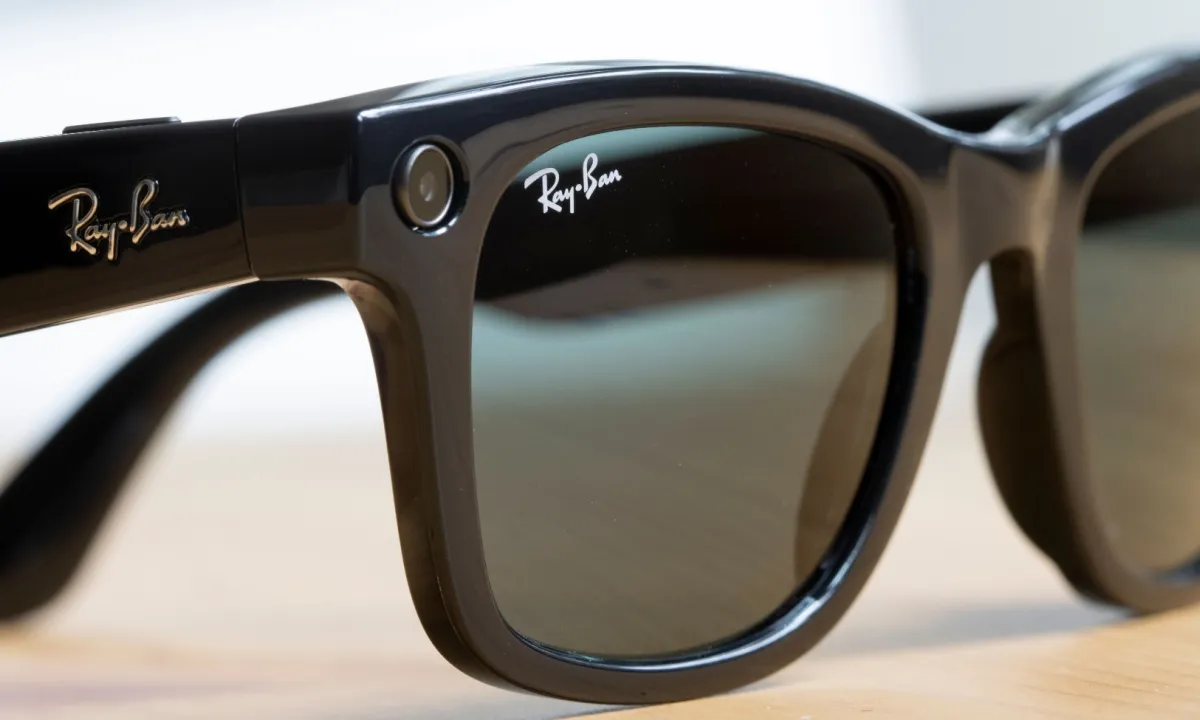
AI-powered smart glasses are emerging as a serious concern for educators, with reports revealing students are using the devices to cheat in exams – often undetected.
Once pitched as the next wave of consumer tech for navigation, translation and hands-free communication, smart glasses from brands like Meta and Rokid are now being repurposed for academic misconduct.
According to recent reporting, students can scan exam questions using built-in cameras, send them to AI systems and receive answers directly on the lens in real time.
The shift has even created a small rental economy. In some markets, students are hiring the glasses for a small fee specifically for use during tests.
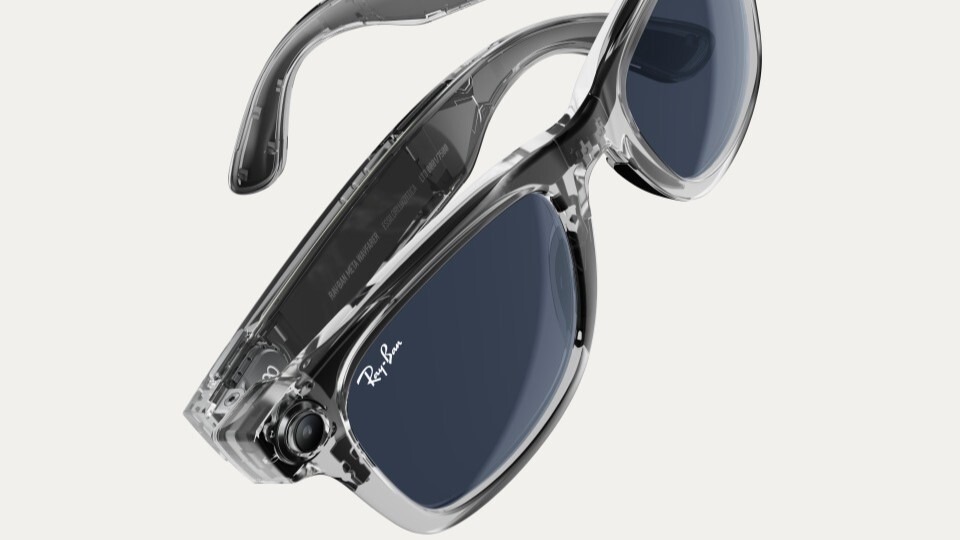
Unlike smartphones or cheat sheets, smart glasses are discreet, hands-free and often indistinguishable from regular eyewear. That makes them significantly harder for invigilators to detect, exposing a major gap in traditional exam enforcement.
Devices such as the Ray-Ban Meta smart glasses have already faced scrutiny over privacy concerns, including covert photo and video capture.
Now, education providers are scrambling to respond. While some institutions have banned smart glasses outright or restricted AI tools during exams, enforcement remains inconsistent. Experts warn that existing anti-cheating measures were never designed for “invisible” always-on technology.
As wearable AI becomes more seamless and accessible, the line between legitimate assistance and outright cheating is becoming increasingly blurred.