Several Chinese Tech Giants Face Ban Ahead of Christmas Shopping Season
 David Richards
29 Oct 2025
David Richards
29 Oct 2025

Several major Chinese brands widely sold in Australia are set to be forced out of the US market — some before the key Christmas sales period.
Overnight, the US Federal Communications Commission (FCC) voted unanimously (3–0) to give itself the power to retroactively ban devices and radio components previously approved for sale in the United States if they are deemed a national security risk.
Among those facing potential bans are drone maker DJI and networking brand TP-Link, whose Wi-Fi routers have reportedly been used by US military personnel.
Observers say the move is designed to close loopholes and protect US networks from possible “backdoors” in Chinese-made telecommunications gear, security cameras, and drones.
In Australia, however, no evidence has been produced to suggest these products pose a similar risk. Local retailers — including those stocking Anker and its Eufy smart home products — claim the issue appears “more political than practical.”
The decision gives the Trump administration a new mechanism to block Chinese-made consumer electronics that operate on radio frequencies, despite the US government not releasing public evidence of specific threats.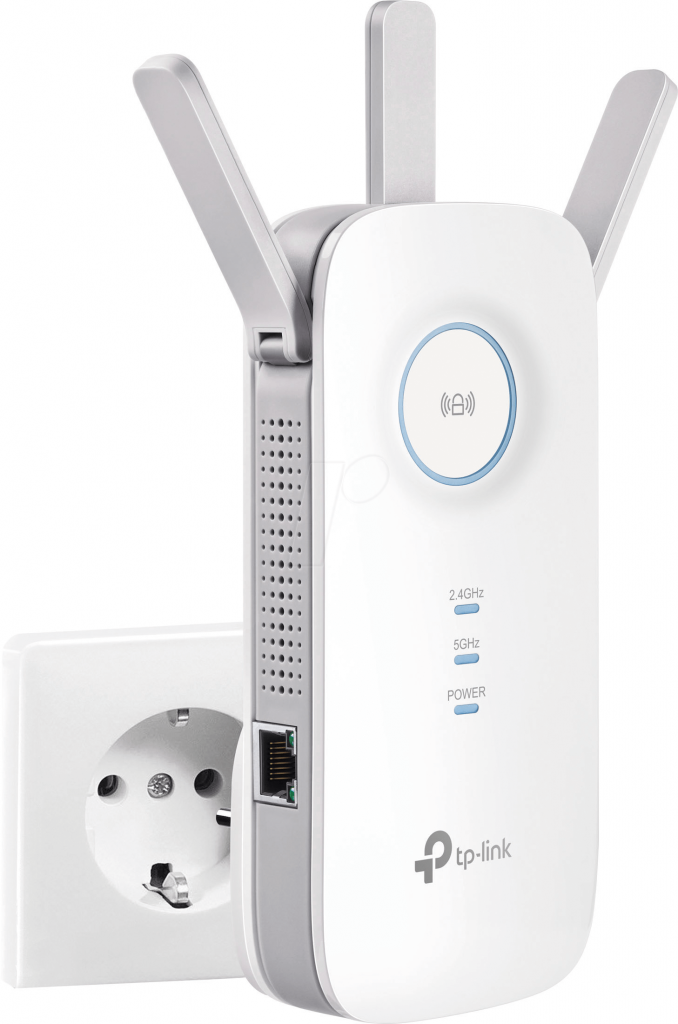
Under the ruling, new DJI products will be automatically banned from import into the US from December 23, unless an approved national security agency certifies that they pose no risk.
TP-Link, whose products are sold through Australian retailers such as Officeworks, Harvey Norman, and JB Hi-Fi, also faces restrictions.
Products from both companies are expected to be added to a “Covered List” under the Secure and Trusted Communications Networks Act, which prevents the FCC from authorizing any internal radio hardware for use in the US — effectively making their importation illegal.
Calls to ban DJI surfaced months ago. In response, DJI’s global policy head Adam Welsh told The Verge:
“More than ten months have now passed with no sign that the process has begun. As the deadline approaches, we urge the U.S. government to start the mandated review or grant an extension to ensure a fair, evidence-based process that protects jobs, safety, and innovation.”
Initially, DJI believed any ban would not be retroactive, but the latest FCC order changes that. It directs the Commission to conduct a “public interest analysis” for each product, giving “particular weight” to national security concerns and providing at least 30 days for public comment.
The FCC will also be able to block products that merely contain DJI components — such as radio transmitters or parts designed or manufactured by the company — significantly widening the scope of the ban.
DJI may attempt to continue importing non-radio products like its popular Osmo Pocket 3 camera, which uses standard Wi-Fi and Bluetooth, but even those may not escape scrutiny.
By default, DJI will be barred from importing any new radio-enabled devices, including drones, unless cleared by a security agency before the December 23 deadline.
TP-Link Under Investigation
TP-Link is also under increasing US scrutiny due to alleged ties to the Chinese Communist Party (CCP) and fears that its routers could be exploited in cyberattacks or espionage operations.
The US Commerce, Defense, and Justice departments are reportedly investigating the company, with lawmakers arguing that TP-Link’s connections to Beijing present a national security threat.
While TP-Link denies the allegations — noting it has a US headquarters and manufacturing facilities outside China — American officials warn that the company remains subject to Chinese law, which could compel it to share sensitive data collected in any market, including Australia.
Previous reports have identified vulnerabilities in TP-Link routers that could be exploited by hackers, further fueling concerns among US regulators.