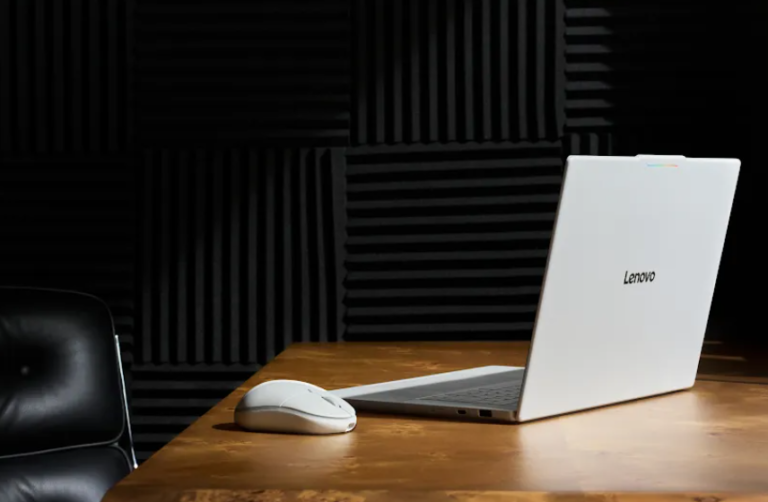
Lenovo’s First Googlebook Is A Premium MacBook Rival Packed With Gemini AI
 Dominic Bayley
29 Sep 2026
Dominic Bayley
29 Sep 2026

Google’s new Googlebook platform is quickly gaining momentum, with Lenovo becoming the latest major PC maker to unveil a laptop built around Googlebook OS and Gemini Intelligence.
The Lenovo Googlebook 15 is the company’s first Googlebook and will go on sale in October in Australia, starting at A$2,299. That price firmly positions it as a premium laptop rather than a successor to the inexpensive Chromebooks Google has traditionally been associated with.
Lenovo has equipped the Googlebook 15 with a 15.3-inch OLED touchscreen offering a 2880 x 1800 resolution, 120Hz refresh rate, 500 nits of brightness and 100% coverage of the DCI-P3 colour gamut.
Despite the large screen, Lenovo says the laptop weighs just 1.29kg, or less than three pounds. That makes it the lightest 15-inch laptop currently offered by the company.
Inside is an Intel Core Ultra 5 325 processor with an NPU capable of delivering up to 47 TOPS of AI performance. Buyers can configure the machine with either 16GB or 32GB of LPDDR5X memory and up to 512GB of SSD storage.
A 70Wh battery is rated for more than 12.5 hours of use.
Connectivity is also relatively generous for such a lightweight machine. The Googlebook 15 includes two Thunderbolt 4 ports, USB-A, HDMI 2.0 and a headphone jack, along with Wi-Fi 7 and Bluetooth 6.0.
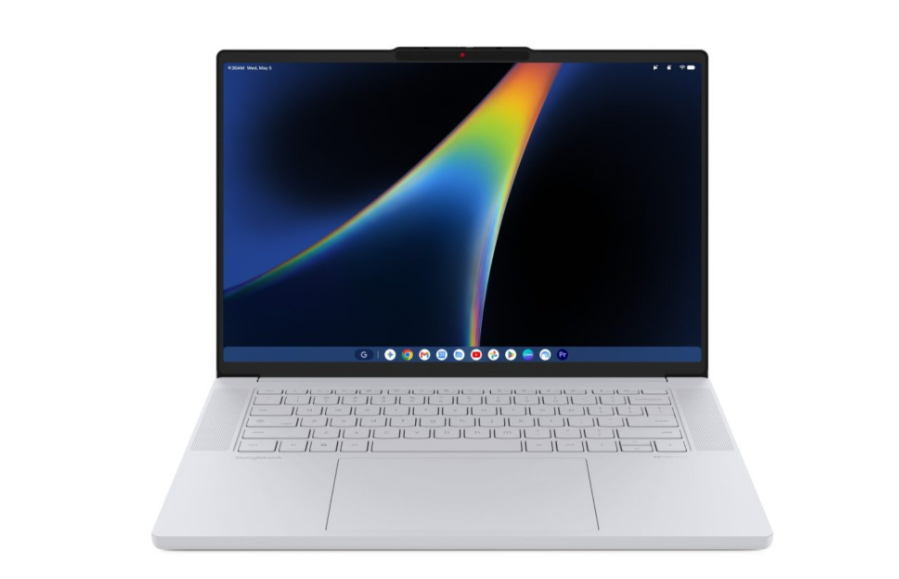
Other hardware includes four Dolby Atmos speakers, a 5MP webcam, fingerprint reader, facial authentication and a physical camera shutter.
But the biggest difference between the Googlebook 15 and a conventional Windows laptop is its deep integration with Google’s Gemini AI.
One of the headline features is Magic Pointer, which allows users to wiggle the cursor to bring up Gemini and perform contextual actions. That could include combining images or recognising a date and adding it directly to Google Calendar.
Google’s Rambler feature is included as well. Also available on the Pixel 11 Pro, Rambler is designed to make voice input more natural and can handle users switching languages in the middle of a sentence.
Googlebook OS also integrates directly with Android phones. Users can access compatible phone apps and files from the laptop without having to manually transfer content between their devices.
That tighter relationship between Android and the PC is potentially one of Googlebook’s biggest attractions. Microsoft has steadily expanded Android integration within Windows, but Google is attempting to offer something closer to the seamless relationship Apple has built between the iPhone and Mac.
Lenovo is taking that integration a step further with an AI Mouse designed specifically for Googlebook. The accessory includes dedicated controls for accessing Gemini and using Magic Pointer.
Buyers of the Googlebook 15 also receive a 12-month Google AI Pro subscription, which includes 5TB of cloud storage.
The laptop arrives only months after Google first revealed its post-Chromebook strategy and shortly after the Googlebook platform was officially launched. Several PC manufacturers have since announced Googlebook models of their own, giving Google a growing hardware ecosystem from the outset.
Google has been clear that Googlebook is intended to compete in the premium PC market rather than simply replace Chromebook branding.
Lenovo’s first effort reinforces that strategy. With an OLED display, Intel Core Ultra hardware, a lightweight design and Gemini woven throughout the operating system, the Googlebook 15 looks aimed squarely at premium Windows laptops and Apple’s MacBook lineup rather than the budget Chromebooks of the past.