Who Are The Real Premium Appliance Brands In Australia?
 David Richards
29 Sep 2026
David Richards
29 Sep 2026
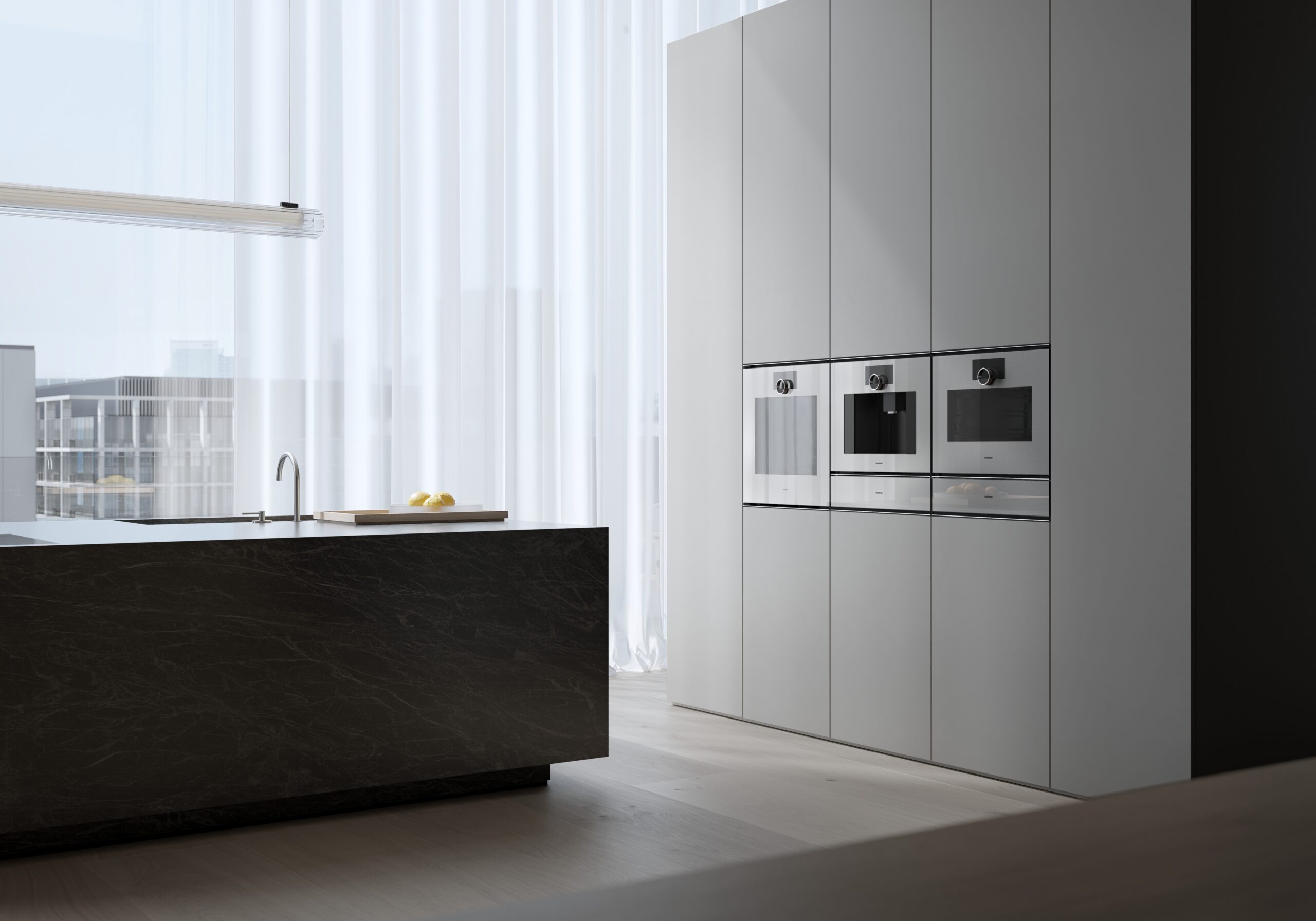
Australia’s premium appliance market is far more concentrated than the marketing suggests, and the line between a genuine premium brand and a mass-market appliance wearing a premium badge is becoming harder for consumers to see.
A genuine premium brand competes on engineering, design integration with architects and kitchen designers, specialist cooking or refrigeration capability, and high-end distribution and service. Adding a premium badge to a mass-market product, the strategy several Chinese manufacturers are now pursuing in Australia, is not the same thing.
On that definition, the market splits into two tiers: luxury and super-premium specialists, and genuine premium full-range brands.
The Luxury Specialists
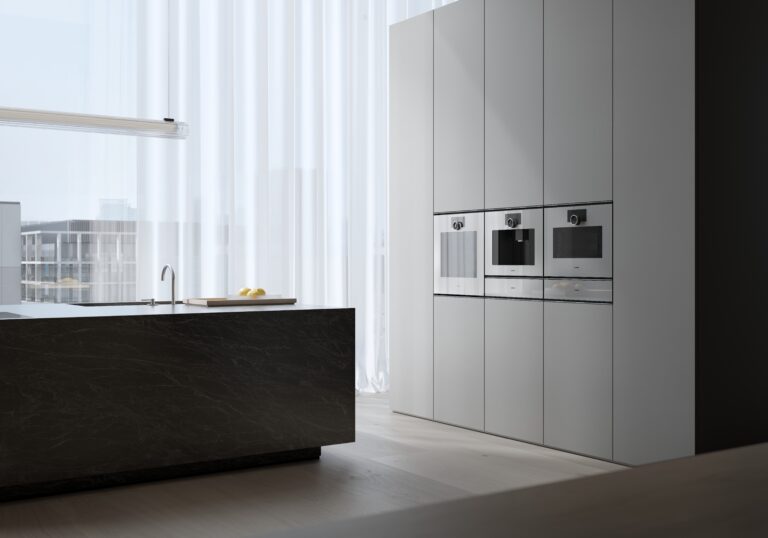
Gaggenau is pushing hardest to be the clearest luxury appliance brand in Australia, competing head on with Miele, V-ZUG, Wolf, Fulgor Milano, Fhiaba and Sub-Zero.
Owned by BSH, Gaggenau sits above Bosch and NEFF within the European group. Its business is built around high-end integrated kitchens, specialist ovens, steam, induction, refrigeration and wine storage, and it is driven by architects, designers and commercial projects rather than volume. That strategy mirrors Sub-Zero, Wolf, V-ZUG and Fulgor Milano.
Sub-Zero is at its core a premium refrigeration specialist, while its sister brand Wolf is centred on serious cooking equipment. Together they are strongest in very expensive residential projects.
V-ZUG is a credible Swiss luxury brand, positioned on Swiss manufacturing and engineering across steam cooking, ovens, dishwashers and laundry rather than mass-market scale.
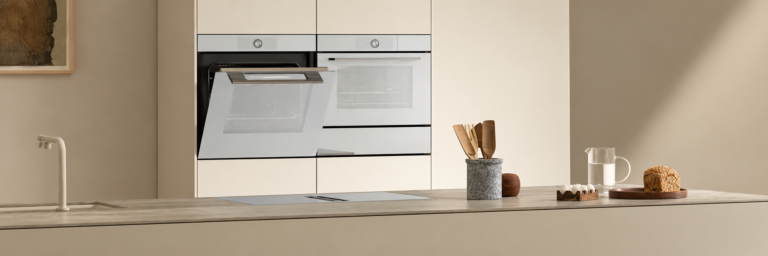
V-ZUG
La Cornue sits almost outside the normal appliance market. Its French ranges are as much luxury kitchen furniture as appliances, with bespoke finishes and pricing to match.
Liebherr earns its place in refrigeration. It lacks the whole-of-kitchen offer of Gaggenau or Miele, but in premium refrigeration and wine cabinets it is a genuine specialist, not a marketing-created premium brand.
Fhiaba, the Italian luxury refrigeration brand created by the Baron family, whose roots go back to professional and industrial refrigeration manufacturing in the 1970s, is another. Made in Italy, its range focuses almost entirely on food and wine preservation: integrated and freestanding refrigerators, column freezers, wine cellars and undercounter units, with heavy use of stainless steel, independent climate zones and custom finishes.

Fhiaba Classic
In Australia, Fhiaba competes directly with Sub-Zero, Gaggenau and Liebherr’s top-end models, targeting architects, designers and buyers of expensive kitchens where refrigeration can become a major share of the appliance spend. It is distributed locally by Worldwide Appliances and sold through premium specialists including Winning Appliances.
ILVE, Falcon and Bertazzoni also play in premium and luxury cooking, although their positions are narrower and more category-specific.
The Premium Full-Range Brands
Miele is arguably Australia’s clearest large-scale premium appliance brand. Still German and family-owned, it describes itself as a premium domestic and professional appliance manufacturer and maintains substantial local infrastructure, including 13 Miele Experience Centres.
Its range stretches from premium into luxury. Australian Miele ovens currently run from about A$3,299 up to A$18,699 for the 90cm H 7890 BP, while its washing machines reach A$5,999.
Fisher & Paykel has moved well upmarket. It now explicitly positions itself around luxury appliances, offers a complete cooking, refrigeration, ventilation, dishwashing, laundry and outdoor suite, and increasingly targets architect-designed and integrated kitchens. It has done so under Chinese ownership, having been acquired by Haier in 2012.
Fulgor Milano, founded in 1949 and now owned by Italy’s Meneghetti, concentrates on premium cooking: built-in ovens, induction and gas cooktops, freestanding cookers and rangehoods. Distributed in Australia by Worldwide Appliances, which also handles Fhiaba and Artusi, it offers Italian design and serious cooking credentials without the price premium or brand recognition of the very top luxury names.
Where The Brands Sit
| Positioning | Brands |
|---|---|
| Luxury / super-premium | Gaggenau, Sub-Zero & Wolf, V-ZUG, La Cornue, Fhiaba |
| Premium through luxury | Miele |
| Premium / design-led luxury | Fisher & Paykel |
| Premium specialist | Liebherr |
| Premium cooking specialists | Fulgor Milano, ILVE, Bertazzoni, Falcon |
| Upper-premium / premium ranges | NEFF, Smeg, AEG |
| Mainstream-to-premium | Bosch, Electrolux, ASKO, Siemens |
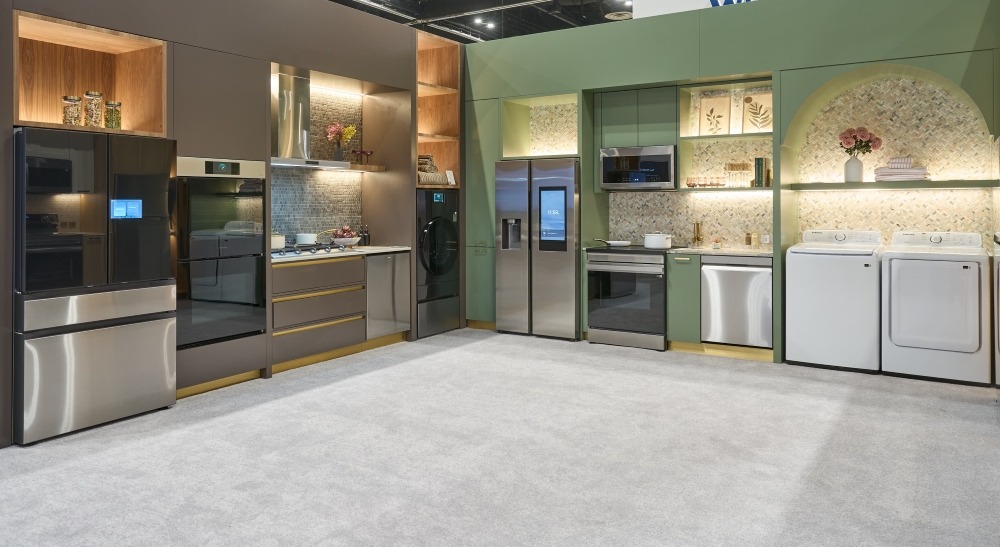
| Mass market moving aggressively into premium | Haier, Hisense, Midea, TCL, Samsung, LG |
The ASKO Question
Scandinavian heritage and premium pricing do not automatically put ASKO alongside Gaggenau, Miele, V-ZUG or Sub-Zero.
Ownership tells the story. Miele remains independently German-owned. Gaggenau is German and sits at the luxury end of BSH. V-ZUG remains Swiss. Sub-Zero and Wolf belong to an American specialist luxury manufacturer.
ASKO, by contrast, is owned by Hisense. Its Swedish heritage and European positioning remain central to its marketing, but economically it belongs to a major Chinese appliance group using that heritage to break into the market consumers perceive as premium European.

Asko
The Real Threat
The biggest threat to Miele, Gaggenau and the other established European manufacturers is not a A$799 Chinese dishwasher.
It is what happens when Hisense, Haier and Midea acquire or build brands capable of selling A$3,000 to A$10,000 appliances, while keeping the manufacturing scale and purchasing power of a Chinese appliance giant.
That shift is already under way, and it will reshape who controls Australia’s premium kitchen.
Featured image by Gaggenau