Retailers Slammed Again As RBA Lifts Rates
 David Richards
29 Sep 2026
David Richards
29 Sep 2026

It’s come at the worst possible time for retailers a 0.25% rate hike that will see the cash rate climb to 4.6%.
The Australian Retail Council (ARC) has warned that the rate rise will further squeeze household budgets and compound the rising freight and supply-chain costs already confronting retailers as higher fuel prices flow through the economy ahead of the peak trading season.
ARC Chief Economist Glenn Fahey said the latest increase could not come at a worse time for retailers and households.
“The Reserve Bank has a difficult job and there is no question inflation remains too high. However, a fourth interest rate rise this year comes as households and businesses are already confronting significantly higher petrol and diesel prices,” Mr Fahey said.
Research Group Cotality claims that the new cash rate will place downwards pressure on housing demand, extending the market slowdown that has emerged during the current tightening cycle.
The increase was widely anticipated, with inflation remaining too high and recent inflation outcomes stronger than the RBA had expected. Although labour market conditions have eased, unemployment remains low by historical standards and broadly consistent with an economy operating close to full employment.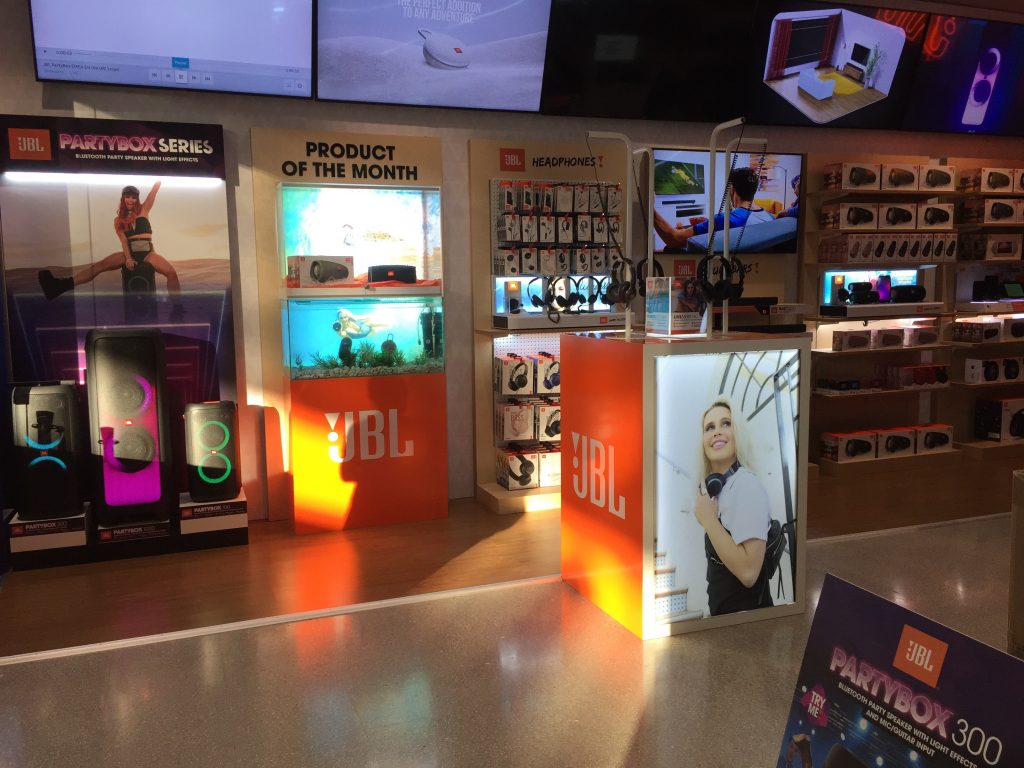
Recent employment gains and persistently high participation rates suggest labour market conditions are easing only gradually. More broadly, the RBA has indicated that aggregate demand will need to remain subdued for a period to reduce capacity pressures and return inflation sustainably to target.
The Retail Council claims that retailers are facing a double squeeze with higher mortgage repayments leaving customers less to spend, while fuel costs raise retailers’ freight and supply costs.
It expects shoppers to wait for promotions and seek value, leaving retailers less room to recover costs without sacrificing margin.
There is evidence of pressure, though retail spending has not collapsed. ABS figures released today show total household spending was flat in August after rising 1.1% in July. Spending on furnishings and household equipment fell 0.6% in August, while discretionary spending fell 0.3%. These are monthly, current-price figures, so they do not establish the effect of today’s decision.
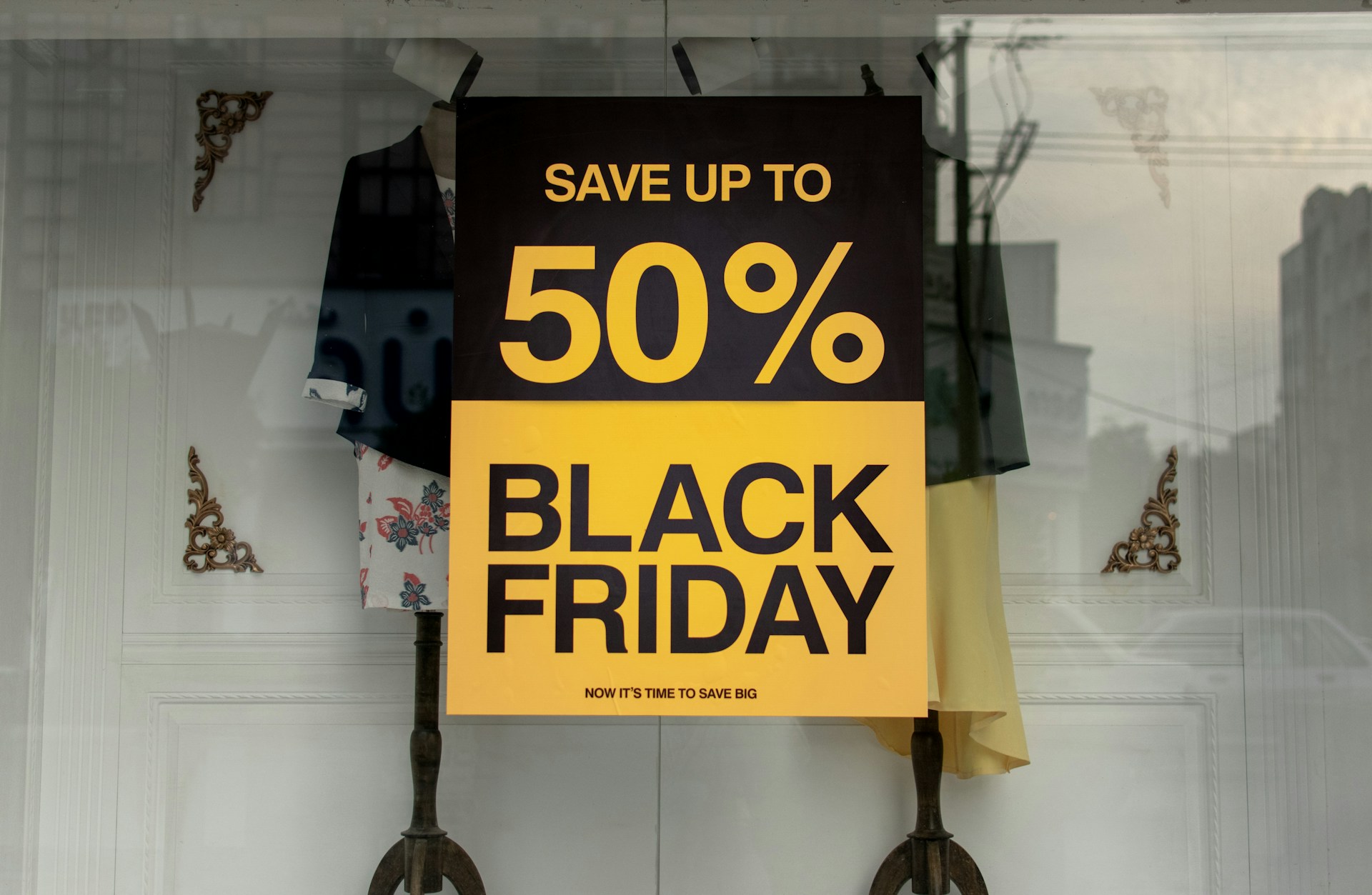
For JB Hi-Fi, The Good Guys, Harvey Norman and appliance retailers, the likely risk is that customers postpone a TV, computer, furniture or appliance purchase, choose a cheaper model, or wait for Black Friday.
Deloitte had already forecast household goods as the weakest retail category in 2026–27, partly because fewer property transactions mean fewer large purchases for homes. That is a forecast, not a measured consequence of today’s rise. Deloitte Australia
Is Labor policy contributing to inflation?
This is a credible part of the debate, with the Labor Government accused of pushing up inflation by going on unnecesay spending binge to prop up Labor seats such as in Marrickville in NSW which is Prime Minister Anthony Albanese seat where a golf club with only 460 members was give a six million dollar handout.
The IMF says strong domestic demand and the energy price shock have both pushed inflation above target.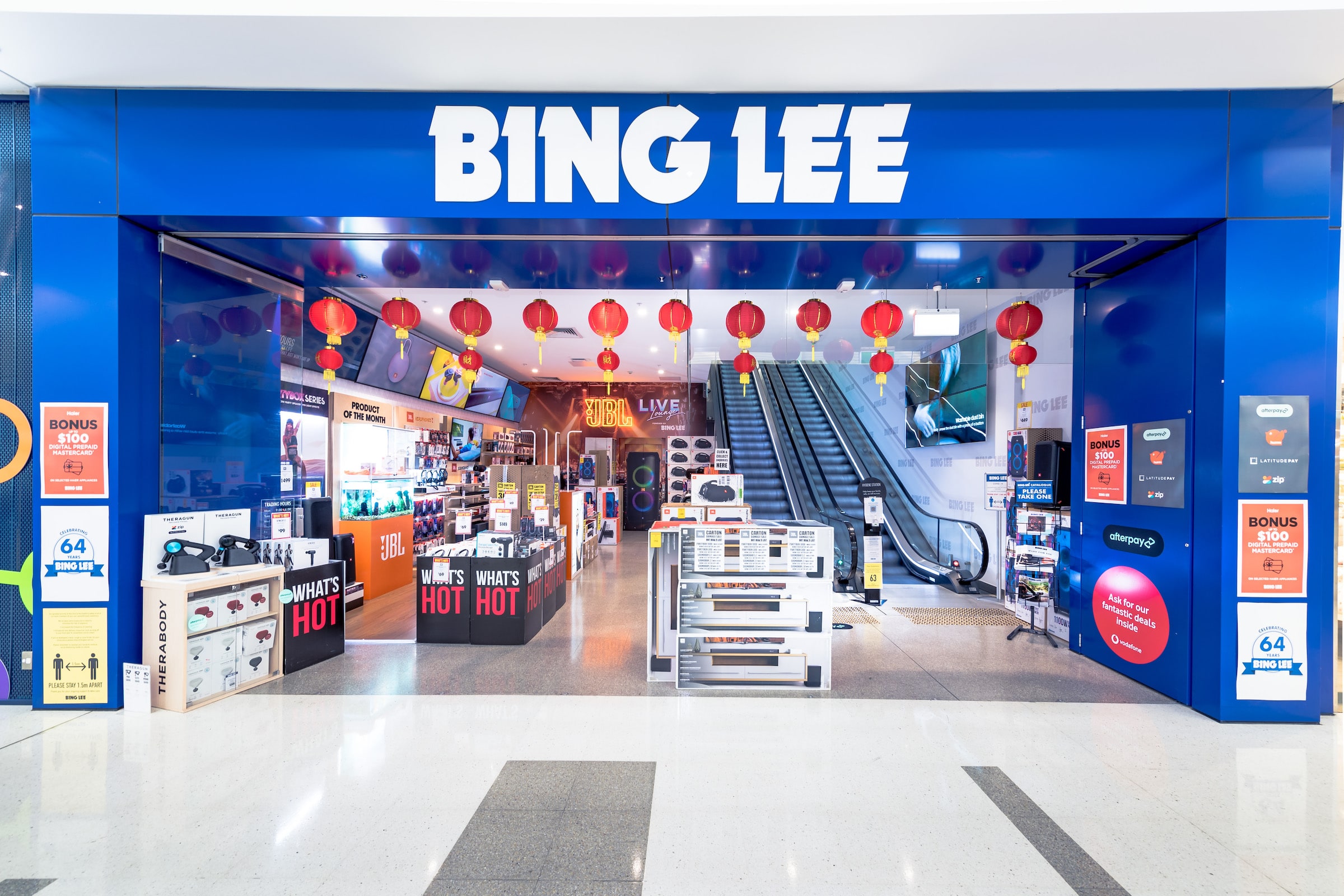
It argues that restraining government spending would help the RBA bring inflation down.
The IMF identifies state infrastructure investment and rising health and NDIS spending among the pressures on public finances.
Business groups also point to weak productivity and regulatory costs.
Their argument is that when the economy cannot produce more efficiently, strong demand turns into higher prices more readily.
The RBA identifies weak productivity and domestic capacity pressure in today’s statement.
Going forward retailers are facing weaker demand and higher costs all at once, while the political fight is over how much domestic spending and poor productivity have added to an inflation problem that also has a clear global fuel component.
The ABS’s next inflation release is due tomorrow and will give a firmer test of how broad those price pressures have become.