Serial Patent Thief? Apple Slapped With $913 Million Court Blow After Six-Year Masimo War
 David Richards
30 Jul 2026
David Richards
30 Jul 2026

Apple’s reputation for telling consumers to “Think Different” has again collided with a US courtroom, with the iPhone maker emerging from a six-year legal war over blood oxygen technology facing what could become one of the most expensive patent defeats in its history.
The company has now been ordered to pay A$913 million (US$634.3 million) to US medical technology company Masimo after a federal judge rejected virtually every attempt by Apple to overturn a jury verdict that found it had infringed Masimo’s patented blood oxygen technology.
For a company that prides itself on innovation, Apple has developed another reputation over the years, one that sees it regularly dragged into court over claims that it borrowed someone else’s ideas first and worried about the bill later.
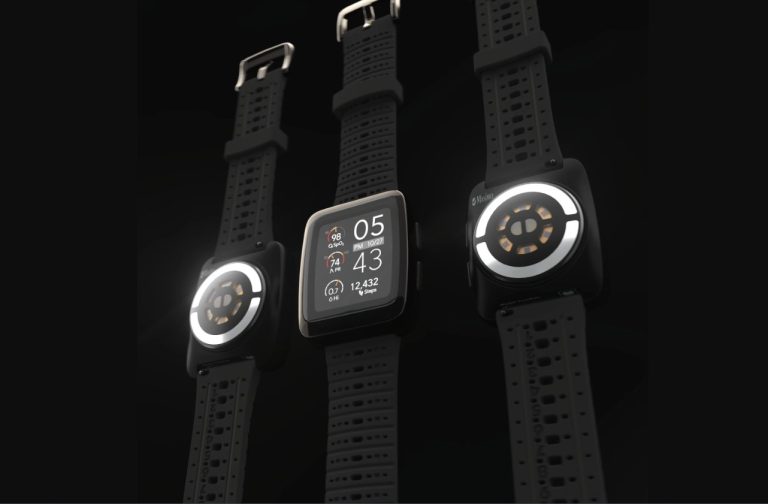
This latest battle started more than six years ago after Apple allegedly set its sights on Masimo’s medical technology, recruiting key employees before launching blood oxygen monitoring in the Apple Watch.
Ironically, Masimo would later acquire Sound United before expanding into medical grade smartwatches, placing the company squarely in Apple’s sights.
Apple Threw Everything At The Judge
After a California jury found in Masimo’s favour in November 2025, Apple embarked on what appeared to be a legal scorched earth campaign.
Its lawyers sought Judgment as a Matter of Law, challenged the evidence, sought a new trial and argued the verdict should simply be ignored.
Judge James V. Selna wasn’t buying any of it.
In a final judgment that runs barely a page and a half, the judge systematically rejected Apple’s key arguments, confirmed that Apple had infringed Masimo’s patent and entered judgment for US$634,313,913. The only issue left unresolved is how much additional pre and post judgment interest Apple may have to pay.
In legal terms it was less “Think Different” and more “Nice try, next case.”
Apple Watches Were Even Pulled From Sale
The dispute became so serious that the US International Trade Commission ordered Apple Watches containing the infringing technology removed from the US market, forcing Apple into an embarrassing redesign that disabled blood oxygen monitoring on some US models while the company searched for a workaround.
Apple can now continue selling watches that monitor blood oxygen, but only by using technology that does not infringe Masimo’s intellectual property.

A Habit That Keeps Getting Expensive
This isn’t an isolated incident.
Over the past five years Apple has repeatedly found itself on the losing end of major intellectual property disputes, raising questions about whether the company has become too comfortable fighting first and writing cheques later.
Among the biggest blows:
Masimo
Patent infringement involving Apple Watch blood oxygen technology.
Court judgment, US$634.3 million.
VirnetX
Secure communications and VPN patents.
Apple ultimately exhausted its appeals after years of litigation, leaving a judgment worth more than US$500 million standing.
Optis Wireless
Standard essential 4G patents.
UK courts have determined Apple owes approximately US$502 million in global licensing royalties, although Apple is still challenging that decision before the UK Supreme Court. It is not yet a final payout.
Siri Privacy Settlement
Apple also agreed to a US$250 million settlement over claims relating to delayed and misleading Siri AI features, adding yet another costly legal headache, although this was a consumer settlement rather than a patent dispute.
The Cost Of Fighting Everyone
Apple has become famous for taking almost every major patent dispute to the bitter end.
Sometimes it wins.
Increasingly, however, the strategy appears to be costing shareholders hundreds of millions of dollars in legal bills, settlements and damages while distracting management from developing genuinely new technology.
For Masimo, the judgment represents a remarkable victory over one of the richest companies on the planet.
For Apple, it is another reminder that copying someone else’s homework can become a very expensive exercise when the inventor has the receipts.
And while Apple still has the financial muscle to absorb a US$634 million judgment without breaking a sweat, investors might reasonably ask how many more nine figure payouts they are prepared to fund before management decides that licensing technology is cheaper than litigating it.