Scientists Built a Smartphone Gadget That Can Spot Toxic ‘Forever Chemicals’
 Emma Wheaton
29 Oct 2026
A tiny sensor that connects to your smartphone has the potential to make testing for ‘forever chemicals’ much easier.
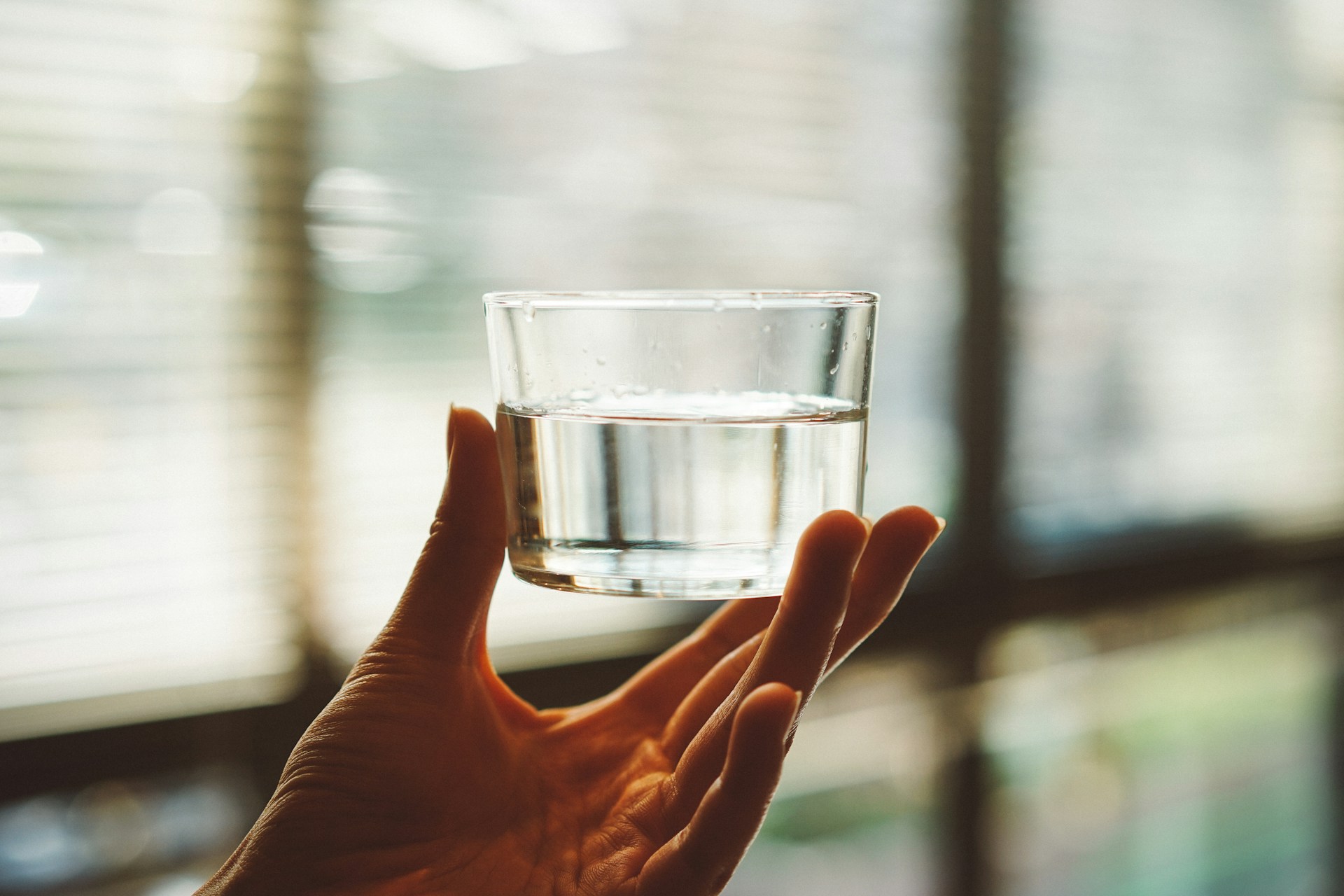
Researchers in Japan have developed a compact gadget that can detect extremely low concentrations of PFAS chemicals in water, paving the way for cheaper and more accessible contamination testing, without the need to rely on labs.
The prototype, developed by scientists at the Okinawa Institute of Science and Technology (OIST), connects to a smartphone or laptop through a small electronic measuring device. It is designed to identify two persistent chemicals, PFOA and PFOS, commonly known as “forever chemicals”.
The technology uses specially engineered materials, molecularly imprinted polymers, which can recognise specific chemical molecules. When PFAS compounds attach to the sensor’s surface, they change the electrical current passing through it. The device measures those changes to estimate the concentration of contaminants in a water sample.
Researchers printed 100 disposable electrodes onto repurposed fabric in a matter of hours. Each electrode connects to a small electronic instrument called a potentiostat, which plugs into a smartphone or computer to measure the electrical signals.
According to the research, the sensor can detect PFOA at concentrations as low as 1.11 parts per trillion and PFOS at 1.63 parts per trillion. Tests using drinking water and freshwater samples deliberately contaminated with the chemicals produced recovery rates of between 88% and 96%.
PFAS are used in a wide range of products, everything from non-stick cookware to food packaging and firefighting foams. They are known as forever chemicals because they resist natural degradation and can remain in the environment for long periods.
Exposure to certain PFAS has been associated with health concerns, including some cancers, immune system problems and developmental complications. Detecting them can be difficult because concentrations may be extremely low, requiring specialised lab equipment and testing procedures.
While the new research and potential smartphone device is promising and could eventually be a much more accessible way to screen water for PFAS, it remains an experimental prototype for now.