Samsung’s First XR Glasses Take Shape With Camera-Focused Design And 2026 Target
 April Ossington
16 Jan 2026
April Ossington
16 Jan 2026

New leaks have offered a sharper view of Samsung’s plans for lightweight XR eyewear, revealing a product that appears to sit far apart from the company’s existing headset strategy. Rather than shrinking its Galaxy XR headset into glasses form, Samsung seems to be building a distinct category focused on everyday wear and real-world interaction.
Reports suggest the device, informally dubbed Galaxy Glasses, will include a 12-megapixel camera with autofocus and arrive in at least two versions. Both variants are said to be intended initially for the US and South Korean markets. Internally, the glasses are identified as SM-O200, signalling a clean break from Samsung’s current XR line-up and its separate product numbering.
The inclusion of a high-resolution camera stands out as a defining feature. This points to functionality that goes beyond overlaying notifications or simple visual prompts. A camera of this kind could support photo capture, environmental scanning, contextual awareness, and future AI-driven features designed to respond to what the wearer sees rather than what appears on a screen.
Evidence of multiple models is also beginning to surface. Alongside the previously mentioned SM-O200P, a second version labelled SM-O200J is reportedly under development. Samsung has not explained the distinction, but industry speculation suggests one model could incorporate photochromatic lenses that automatically adapt to lighting conditions, making the glasses more practical indoors and outdoors.
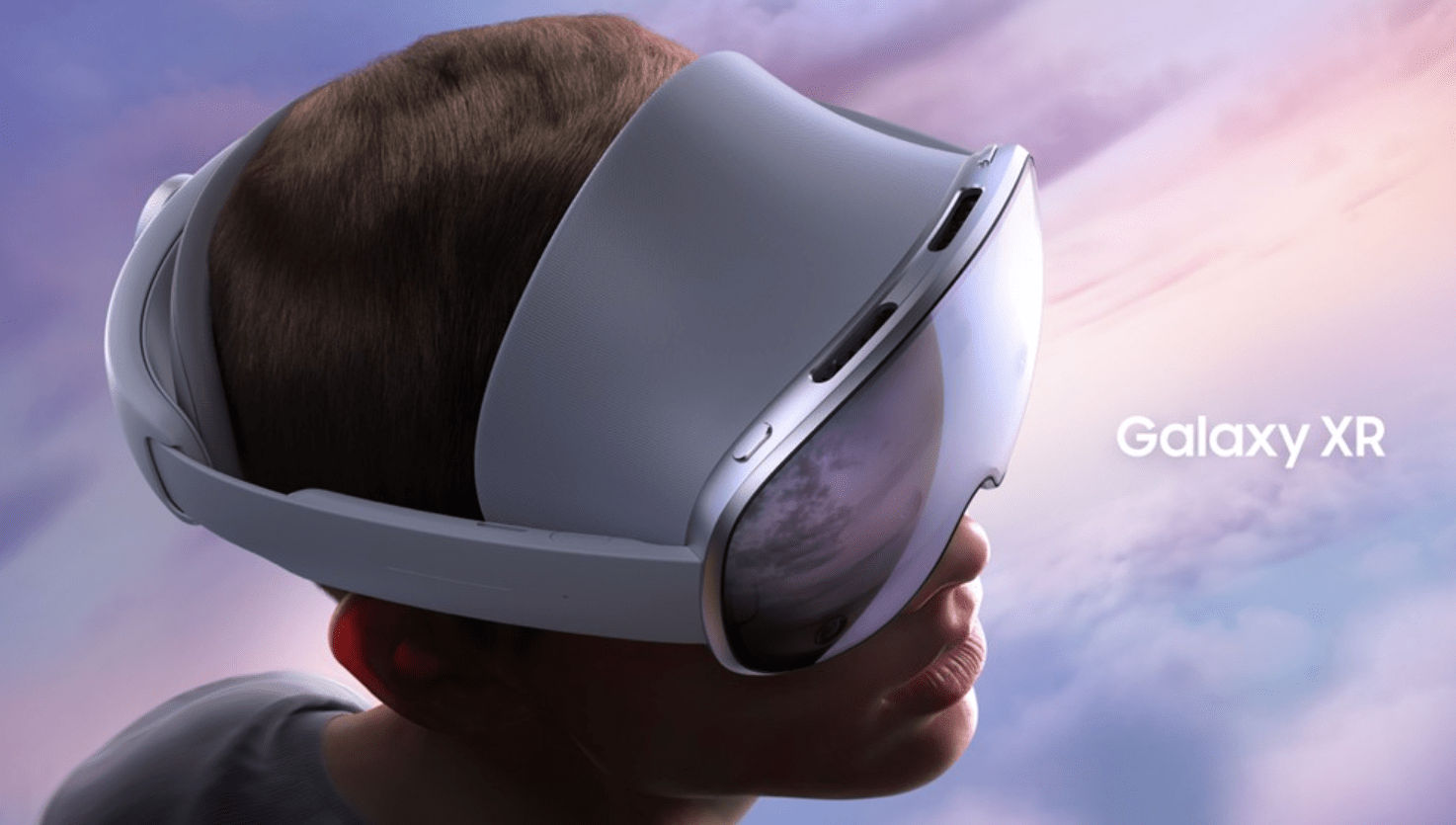
These glasses appear to follow a very different philosophy from Samsung’s Galaxy XR headset released late last year. That product falls under an SM-I designation, while the new eyewear sits within the SM-O family, reinforcing the idea that Samsung views them as fundamentally separate devices rather than variations on the same platform.
Unlike the headset, the glasses are not expected to feature built-in mobile connectivity. Instead, they are likely to depend on Wi-Fi and Bluetooth, pairing closely with a smartphone to handle processing, data, and connectivity. This approach aligns with a lighter, more wearable form factor designed for longer daily use.
Samsung registered the Galaxy Glasses name more than two years ago, although the final branding has yet to be confirmed. While the company has not announced a release schedule, the continued appearance of hardware identifiers and feature leaks suggests the project is moving steadily forward, with 2026 emerging as the most likely launch window.
As with previous experimental hardware, Samsung is expected to limit early availability to South Korea and the US. A broader international rollout would likely depend on consumer response and how well the first generation balances capability, comfort, and battery life.
With a built-in camera, possible smart lenses, and multiple versions in development, Samsung’s XR glasses are shaping up to be a more ambitious attempt at wearable extended reality. The remaining question is how much of this potential will survive the journey from prototype to product.