It’s Smash & Grab Time At David Jones As Suppliers Strip Shelves & Anchorgate Try’s To Get DJ’s 2.0 Up
 David Richards
05 Nov 2026
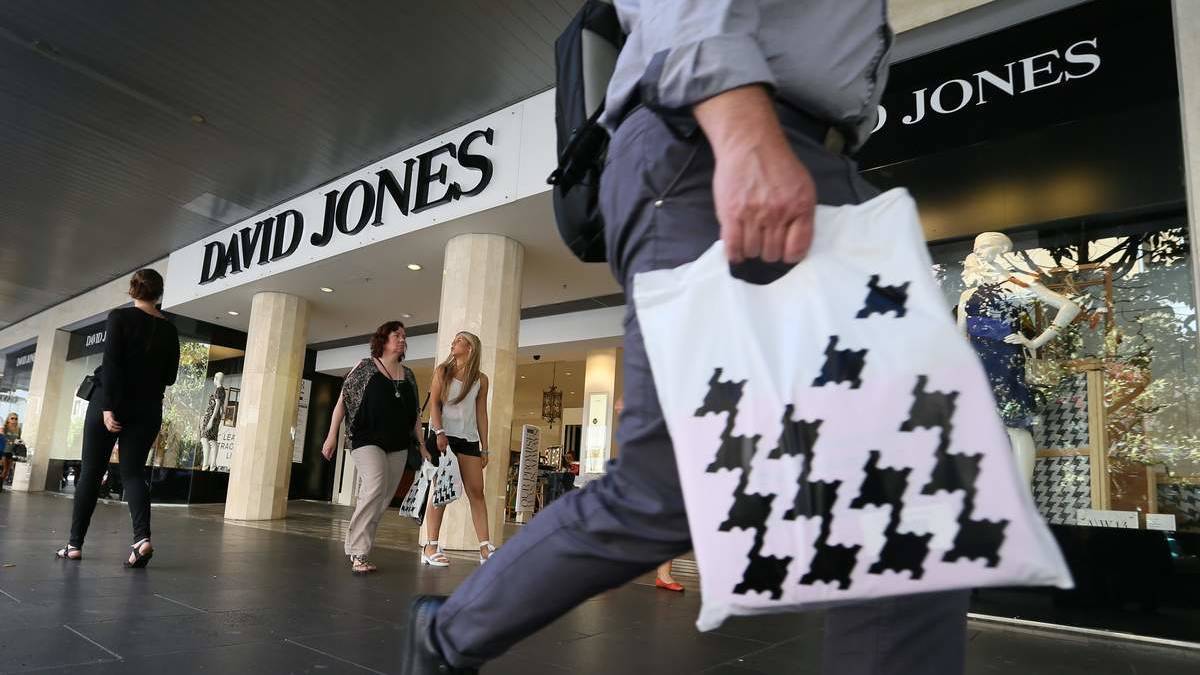
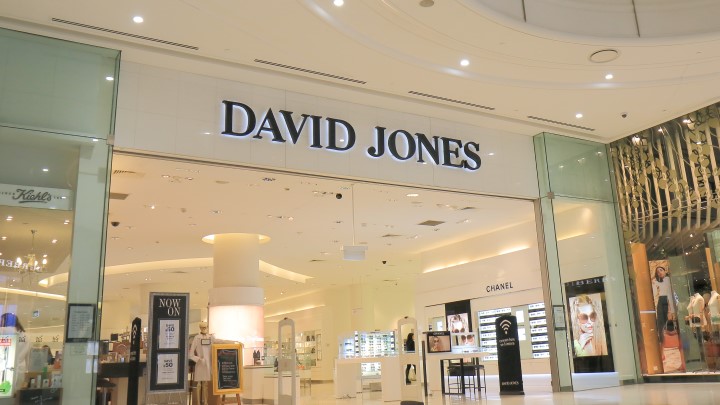
Suppliers to David Jones have stripped stock from stores across Australia after the 188-year-old department store was placed into voluntary administration, as owner Anchorage Capital Partners weighs a bid to take back a slimmed-down business free of its current debts and liabilities.
ChannelNews has been told that distributors and brand suppliers of small appliances, consumer electronics, homewares, clothing and luggage were given access to stores by staff and removed their goods rather than wait for administrators to take control of the stock.
Many suppliers have been unable to obtain insurance on stock already sitting in David Jones stores, leaving them fully exposed if their goods are swept into the administration.
McGrathNicol has been appointed voluntary administrators following board meetings on Wednesday and early Thursday. Hilco Global, the British distressed lending specialist that has been David Jones’ main financier, has appointed FTI Consulting as receivers.
Anchorage Plots “David Jones V2”
In a note circulated to suppliers late on Wednesday, David Jones said Anchorage “may put forth a proposal including a restructured store footprint” as part of the administration.
One observer described Anchorage’s approach to ChannelNews as a “well hatched plan” to retake control of a stripped-down David Jones trading in key cities.
Anchorage has privately briefed its investors that 10 to 15 stores are losing money, and that David Jones could be highly profitable once separated from that dead weight. Voluntary administration gives it the opportunity to do so.
Observers warn the strategy carries major risk, with the David Jones brand potentially damaged by months of negative coverage in the run-up to the collapse.
ChannelNews understands millions of dollars are already being spent on lawyers and advisers by multiple claimants.
Management And Receivers Speak
Staff were briefed at a town hall meeting on Thursday.
Chief executive Erica Berchtold said in a statement the company had “a well-developed plan on how to reset the business for the future and will be working with the administrators, the receivers and our secured lender as we continue to pursue that reset of the business”.
Berchtold was appointed in June, replacing Scott Fyfe, at the same time David Jones announced a new three-year, asset-backed lending facility with Hilco.
Christopher Hill, a senior managing director at FTI, said the administration would provide “breathing space and an opportunity to restructure”.
“We will manage this process carefully, mindful of the impact on some stakeholders but also recognising the need for difficult decisions,” he said.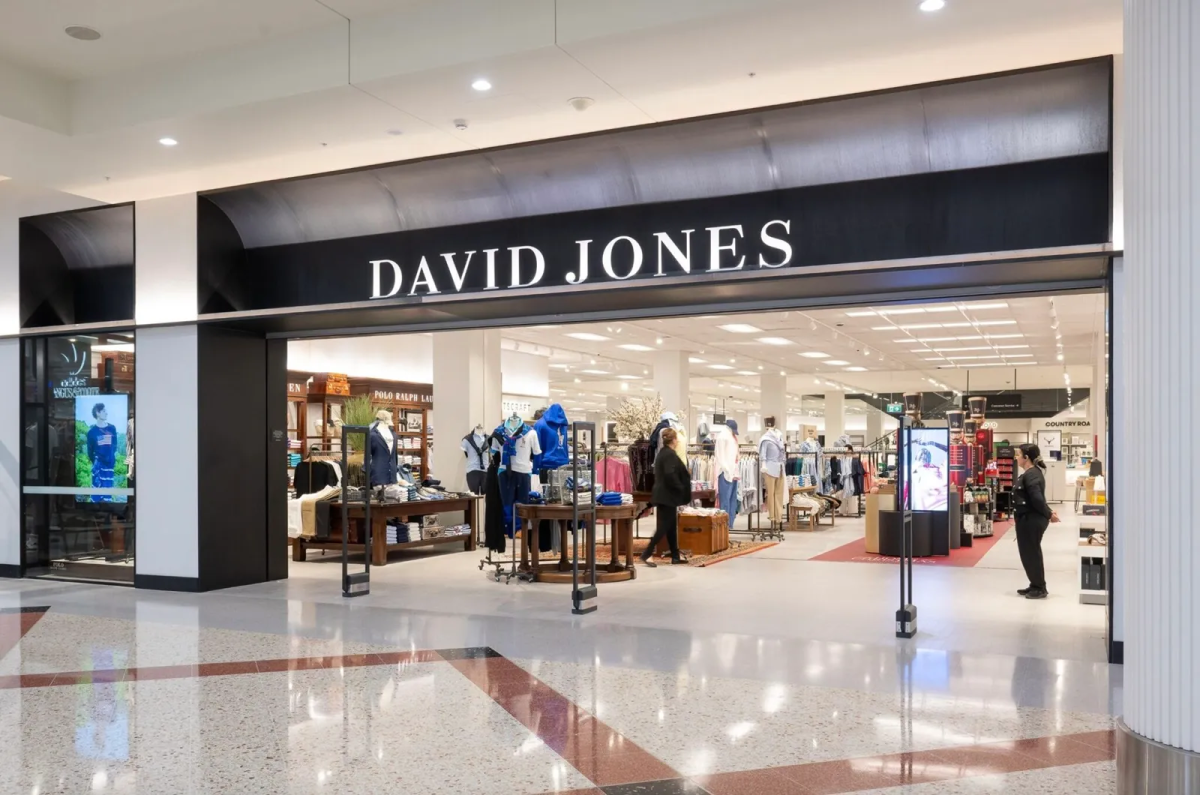
Scentre Holds The Keys
The Australian Financial Review revealed on Wednesday that negotiations between David Jones and Scentre had broken down. Scentre, David Jones’ largest landlord, said the retailer had not paid rent since 30 September.
Scentre chief executive Elliott Rusanow said the company had made a “generous offer” that would have allowed David Jones to divert cash to priority areas through the Christmas period, but it was rejected.
“Anything that occurs with David Jones with regard to its ownership structure or its future trading … will require our approval,” he said.
That leaves Scentre in a position to shape, or block, any Anchorage-led revival.
Suppliers Left Exposed
The collapse follows months of warning signs. ChannelNews has reported throughout 2026 on suppliers being pushed onto extended payment terms and on trade credit insurers refusing to cover stock destined for David Jones, with some suppliers declining orders as a result.
In October, Hilco funded above its agreed facility, reportedly a further $10 million, to help David Jones buy stock ahead of Christmas, following reports the retailer had breached a loan covenant.
Brands ranged at David Jones include Jura, Smeg, Dreame, Sunbeam, Nespresso, Dyson, Philips, De’Longhi and Breville. Between 5,500 and 6,500 jobs are at stake.
Whether suppliers can hold on to the goods they have pulled may come down to the fine print. Recovery typically depends on whether a supplier holds a registered security interest over its stock under the Personal Property Securities Act, and once administrators are appointed the Corporations Act generally bars owners from recovering property in the company’s possession without the administrator’s consent or a court order.
Anchorage Again
David Jones is the second major retailer whose collapse is associated with Anchorage, a Sydney-headquartered buyout firm, in the last decade.
Anchorage bought Dick Smith from Woolworths in 2012 and floated it on the ASX in 2013. The electronics chain collapsed in January 2016 and was ultimately wound up, leaving suppliers, shareholders and staff out of pocket. McGrathNicol were also administrators of Dick Smith.
Anchorage acquired David Jones from Woolworths in 2023. Unlike Dick Smith, it was never floated, so the exposure sits with suppliers, landlords, staff and Hilco rather than retail shareholders.
Earlier this year, lawyers for the Anchorage-backed Riley Street Group, the ultimate owner of David Jones, wrote to ChannelNews rejecting reports that Hilco had lined up McGrathNicol and denying suggestions the retailer was insolvent. McGrathNicol is now running the administration.