Samsung Faces Price Hike Pressure Ahead of Galaxy S26 Launch This Month
 David Richards
03 Feb 2026
David Richards
03 Feb 2026

Samsung Electronics is heading into the launch of its flagship Galaxy S26 smartphone under mounting pressure to raise prices, as surging memory costs squeeze margins in its mobile division and widen the profitability gap with rival Apple.
The South Korean technology giant is set to unveil the Galaxy S26 series on February 25 (US time), February 26 in Australia, alongside several other products. But the central question for consumers and investors alike is how far Samsung will push pricing on its premium smartphones at a time when costs are rising and competition at the top end of the market is intensifying.
Samsung’s Mobile eXperience (MX) division is already feeling the strain. In the December quarter, global mobile revenues fell nearly 10% year-on-year to US$20.1 billion, while operating margin declined sharply from 8.1% to 6.5%. Executives acknowledged the pressure publicly at CES 2026, flagging profitability improvements as a priority for the year ahead — language widely interpreted as a signal that price increases are on the table.
“Rising memory prices are an industrywide issue,” Cho Seong-hyuk, head of strategy at Samsung’s MX division, said recently, confirming that component costs are weighing on results.
Samsung Chief Financial Officer Park Soon-cheol reinforced that message during a recent earnings call, saying the company would pursue “resource efficiency and cost controls” to defend margins. Mobile chief Roh Tae-moon went further, warning in January that “smartphone price adjustments may be necessary” as semiconductor costs climb.
The timing is awkward. Apple last week reported record results, delivering US$143.8 billion in quarterly revenue and operating income of US$50.9 billion — an operating margin of 35.4%. iPhone sales jumped 23% to US$85.3 billion, underscoring Apple’s ability to absorb cost pressures that are hitting rivals harder.
Apple CEO Tim Cook downplayed the impact of memory prices, saying they had a “minimal impact” on margins in the December quarter. Analysts say Apple’s powerful Services business — which generated US$30 billion in revenue last quarter at a gross margin of 76.5% — gives it far greater pricing flexibility than Samsung, whose handset profits rely more heavily on hardware sales.
That contrast is now shaping the competitive battle for 2026. While Apple is widely expected to hold pricing on future iPhones, including the iPhone 18, Samsung is confronting a narrower margin for error.
In Australia, where Samsung’s MX business has remained relatively strong despite soaring iPhone sales, the stakes are particularly high. Samsung smartphones are a major revenue driver for retailers such as JB Hi-Fi and for mobile carriers, both of which are pushing for higher average selling prices amid rising costs and softer consumer spending. Local management is also monitoring the potential impact of further Reserve Bank interest rate increases, with another decision due imminently.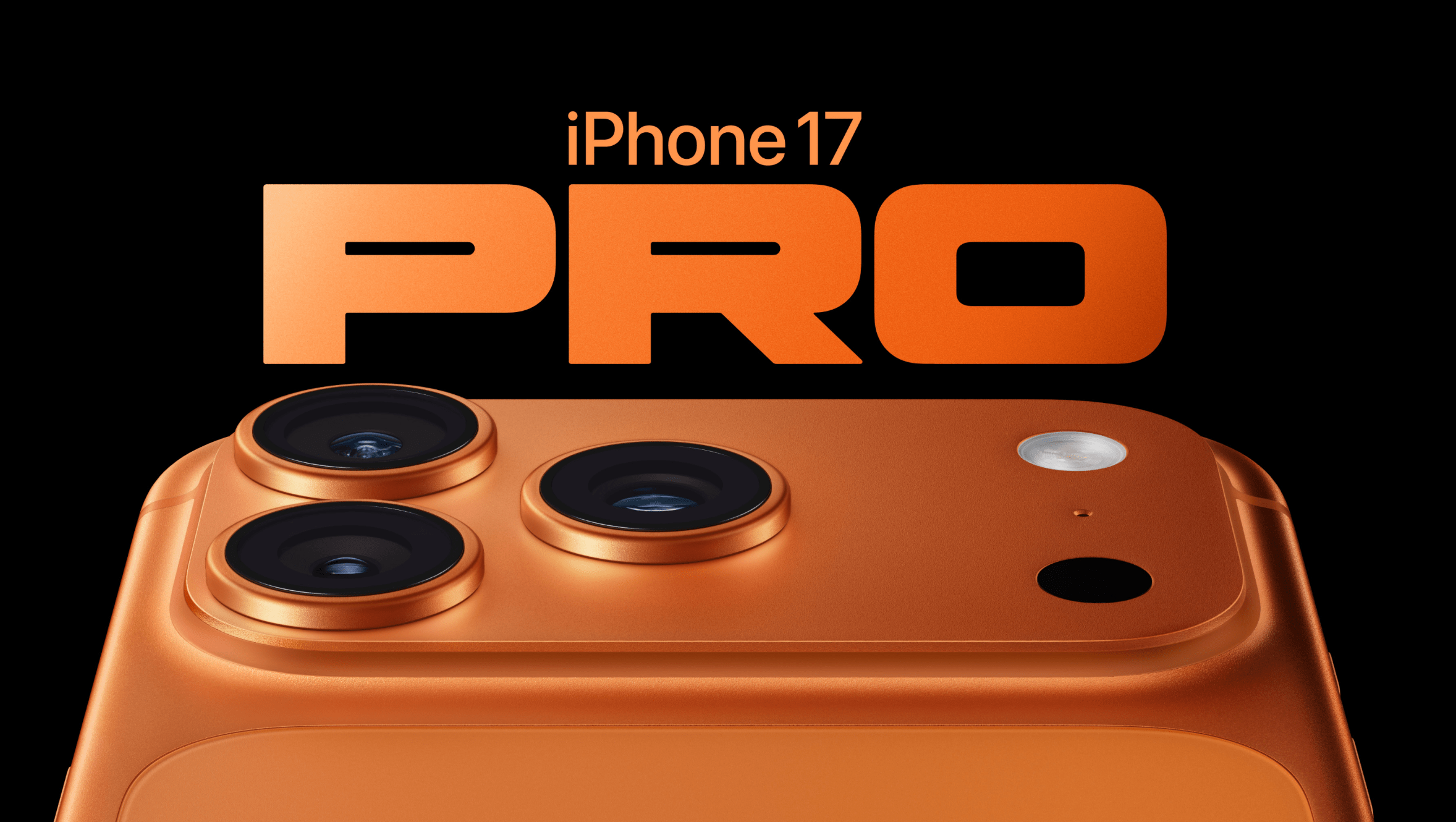
Adding pressure at the lower end, Motorola Mobility has signalled plans to target the “affordable premium” segment in 2026, arguing that “Samsung has market share to lose.” Counterpoint Research data shows Apple claimed seven of the world’s top 10 best-selling smartphones in 2025 — mostly premium models — while Samsung’s strongest volume performers came from mid-range devices such as the Galaxy A16 5G, a segment Motorola is now actively pursuing.
Against that backdrop, Samsung is positioning the Galaxy S26 as a premium, AI-driven flagship aimed squarely at protecting margins. The S26 Ultra, in particular, is expected to play a central role, leveraging Samsung-manufactured components and its in-house AI software, which the company claims is the most advanced mobile AI platform currently available.
“MX will expand flagship sales with the Galaxy S26 and solidify leadership in AI smartphones through Agentic AI experiences,” Samsung told analysts last week.
The Galaxy S26 range is expected to feature a redesigned external camera system, a slimmer and lighter chassis, and new privacy-focused display technology. Samsung has teased a “pixel-level privacy” screen that dynamically limits viewing angles to prevent shoulder-surfing in public — a feature likely to be used to justify higher prices.
Hardware upgrades include a new 200-megapixel telephoto sensor, modest battery increases to 4,300 mAh on standard models, and 60-watt wired charging on the Ultra — a first for Samsung’s flagship line. Top-end models will run on Qualcomm’s Snapdragon 8 Elite Gen 5 processor, though availability will be limited to select markets.
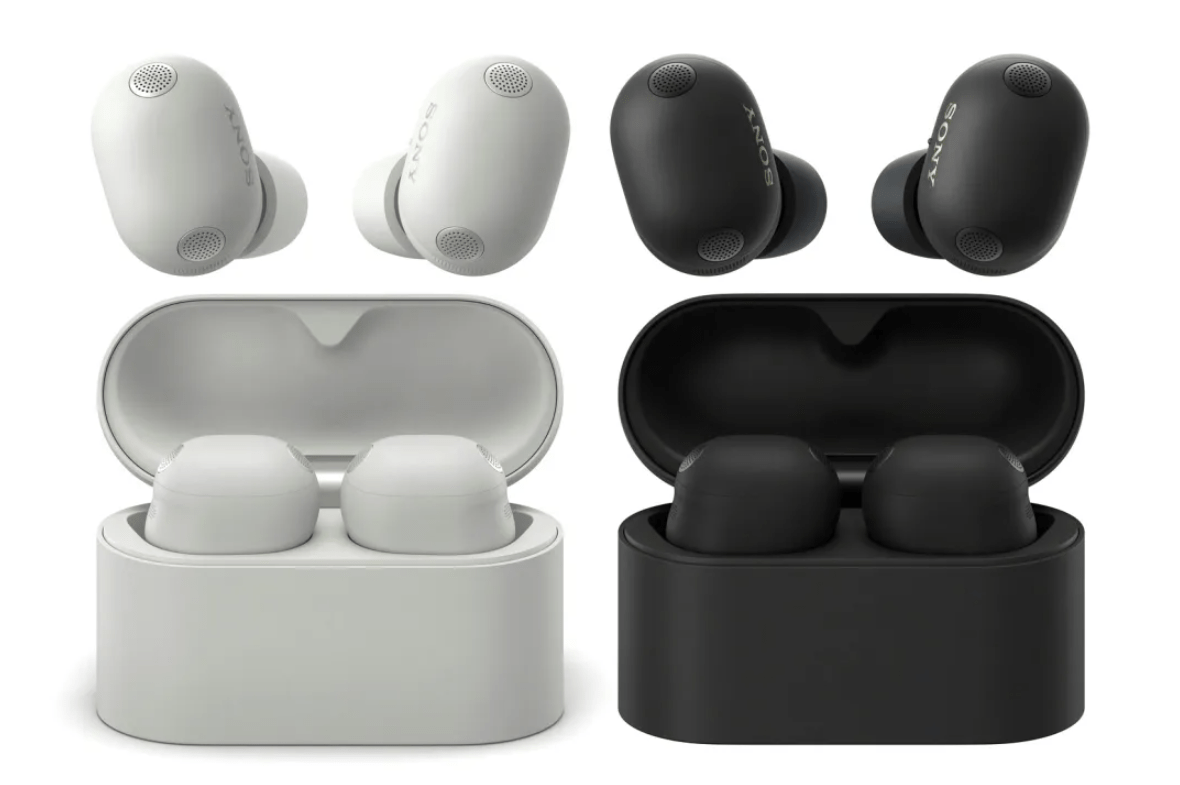
Samsung is also expected to unveil Galaxy Buds 4 and preview a commercial e-paper display made with bio-based materials, designed for low power consumption and business use. New foldable devices, including the Z Fold and Z Flip, will not appear at this launch and are expected later in July or August.
For Samsung, the challenge is clear: convince consumers to pay more at a time when Apple is flexing its pricing power and lower-cost rivals are circling. How aggressively Samsung lifts prices on the Galaxy S26 may determine whether its mobile division can stabilise margins — or fall further behind in the premium smartphone race.