Samsung Consumer Arm Crashes To First Ever Loss As Their Own Memory Boom Guts Margins, Aussie Phone Prices Set To Jump
 David Richards
31 Jul 2026
David Richards
31 Jul 2026
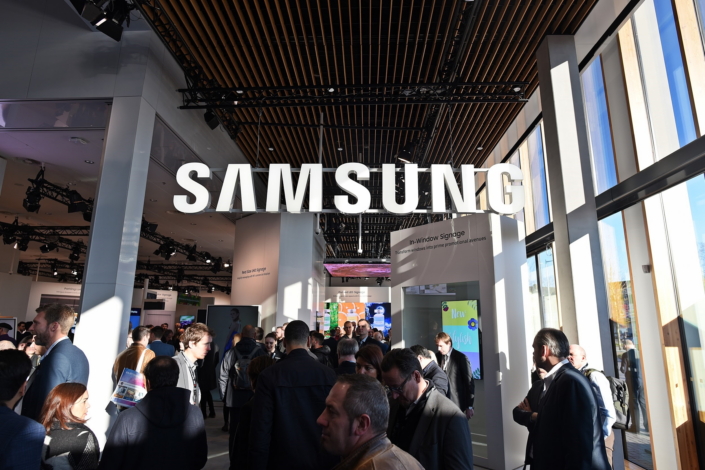
Samsung, Samsung Profits, Samsung losses Mobile, Samsung DX Division,, Samsung TV sales, Samsung Mobile, Samsung Appliances, Samsung Sales,Days out from the launch of their new premium smartphone range, Samsung has revealed that their consumer division has crashed to its first ever loss, with the DX Division, which spans smartphones, TVs and appliances, bleeding A$890M (US$544M) in the second fiscal quarter.
The kicker is that the damage is largely self-inflicted, with Samsung’s own booming memory chip business driving up the component costs that are now gutting margins in their handset operation.
While the Device Solutions semiconductor arm raked in a staggering US$61.1 billion (A$85.1 billion) in operating profit in the same quarter, the division that sells Galaxy smartphones, TVs and appliances to consumers went backwards, a split that analysts are describing as staggering internal polarisation inside the world’s biggest consumer electronics company.
For Australian consumers the fallout is simple: higher smartphone prices across the board, from Samsung and every other brand, with buyers in the $350 to $750 value and affordable premium bracket set to be hit hardest in percentage terms.
Not A Demand Problem
What makes the result so brutal is that Samsung wasn’t struggling to sell phones.
Revenue in the Mobile eXperience unit actually grew year on year on the back of solid Galaxy S26 flagship sales and strong demand for the A series.
“Although MX saw revenue growth year-over-year driven by solid sales of flagship products centered on the Galaxy S26 series and strong sales of the A series, operating profit decreased due to increased cost burdens across the industry, such as rising component costs,” the Company said.
Those “cost burdens” are largely Samsung’s own doing, with memory chip prices up roughly 8.5 times over the past year as AI demand hoovers up supply, cannibalising device margins across the industry, including Samsung’s own.
Of the DX loss, around US$476 million came from the MX mobile unit, while the Visual Display and Digital Appliances businesses posted a combined loss of US$6.8 million.
Harman was the bright spot, with the audio group whose brands include JBL, Bowers & Wilkins and Denon, and which recently acquired Sound United, delivering a US$272 million profit.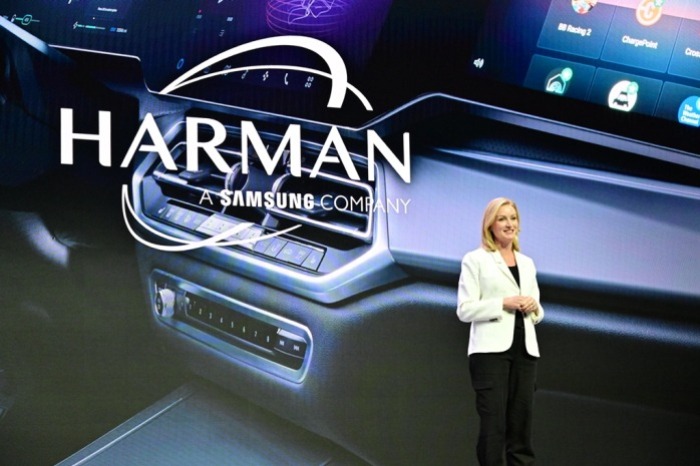
Emergency Management, Exits On The Table
The result confirms why Samsung shoved the entire DX business under emergency management earlier this year.
DX operating margins have been sliding for years, from 7% in 2022 to 7.11% in 2024, 6.84% in 2025 and a projected 6% for 2026, squeezed by price competition from Chinese brands, raw material costs and surging memory prices.
Workforce restructuring is under consideration and some appliance production lines have already been closed.
Now the Digital Appliances division is weighing an exit from the stick vacuum, microwave and dishwasher categories by the end of this year, with the combined VD/DA unit having swung to a A$193M operating loss last year and analysts tipping similar losses in 2026.
Samsung says the path forward is high value product, pointing to flagship level devices like the Galaxy S26 Ultra and the newly launched Galaxy Z Fold 8 series, which performed well on profit and which ChannelNews is tipping to be a major hit with consumers.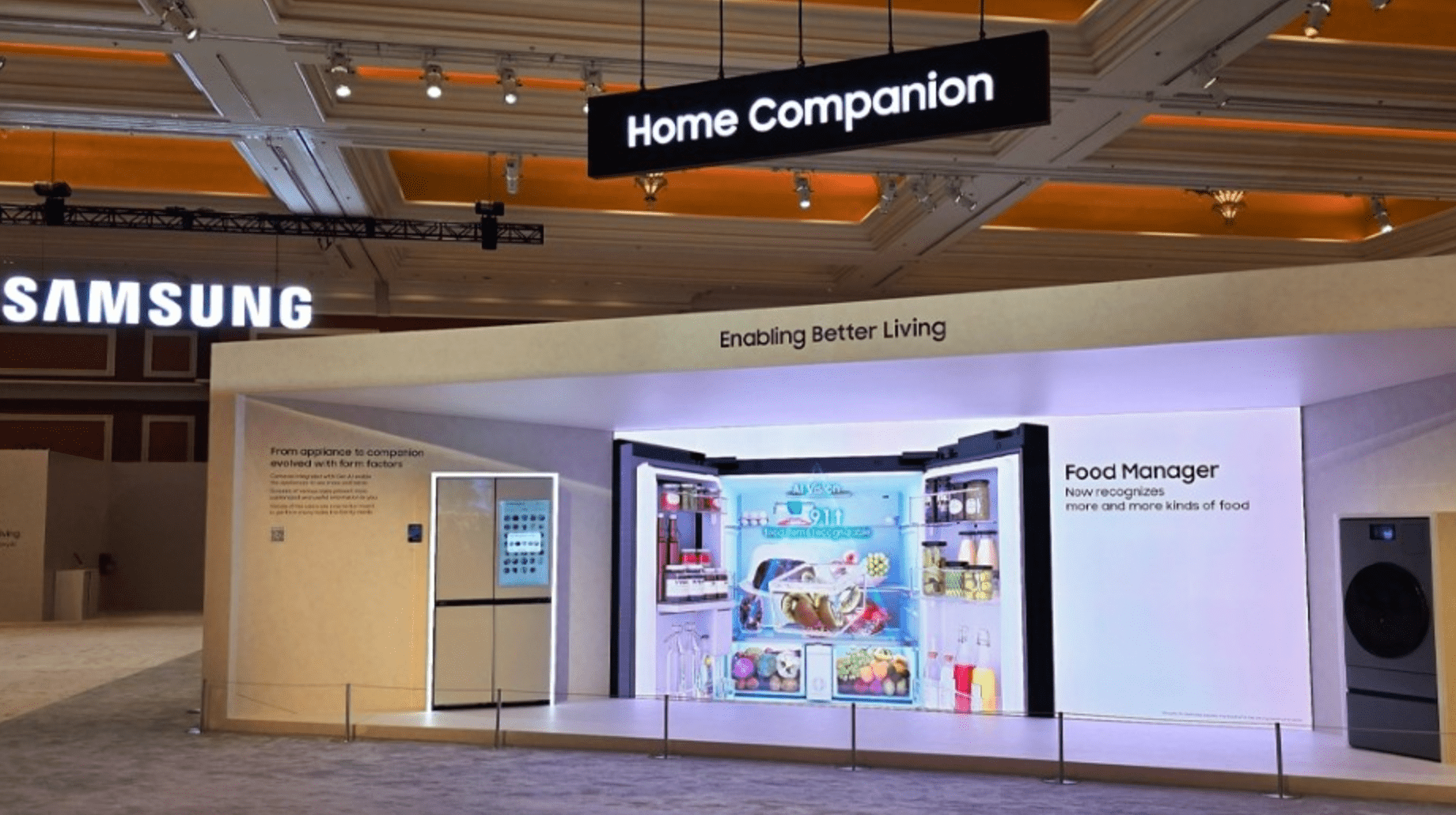
The problem sits at the bottom of the range, where budget handsets are struggling to turn a profit on already thin margins and rising component costs, a risk Samsung itself foreshadowed back in April, and one that multiple research firms expect to worsen with significant falls in smartphone demand forecast this year.
The Money Machine Next Door
The pain in devices barely dents the overall picture.
Samsung posted record consolidated revenue of 171.5 trillion won (US$119 billion), up 28% year on year and an all time quarterly high, with operating profit also hitting a record 89.5 trillion won (US$62.2 billion).
“The Device Solutions (DS) Division posted a [quarter-on-quarter] sales increase of 56 percent, with the Memory Business setting an all-time high for quarterly revenue and operating profit,” Samsung wrote, adding that earnings per share jumped 52%, among the highest levels for global tech companies.
With that much money rolling in and shareholders cheering, there is little pressure on Samsung to fix the mobile division in a hurry.
Unless, of course, the AI bubble bursts.