COMMENT: The Audio Industry Is In Serious Trouble, And Sonos Is Just The Canary In The Coal Mine
 David Richards
31 Jul 2026
David Richards
31 Jul 2026
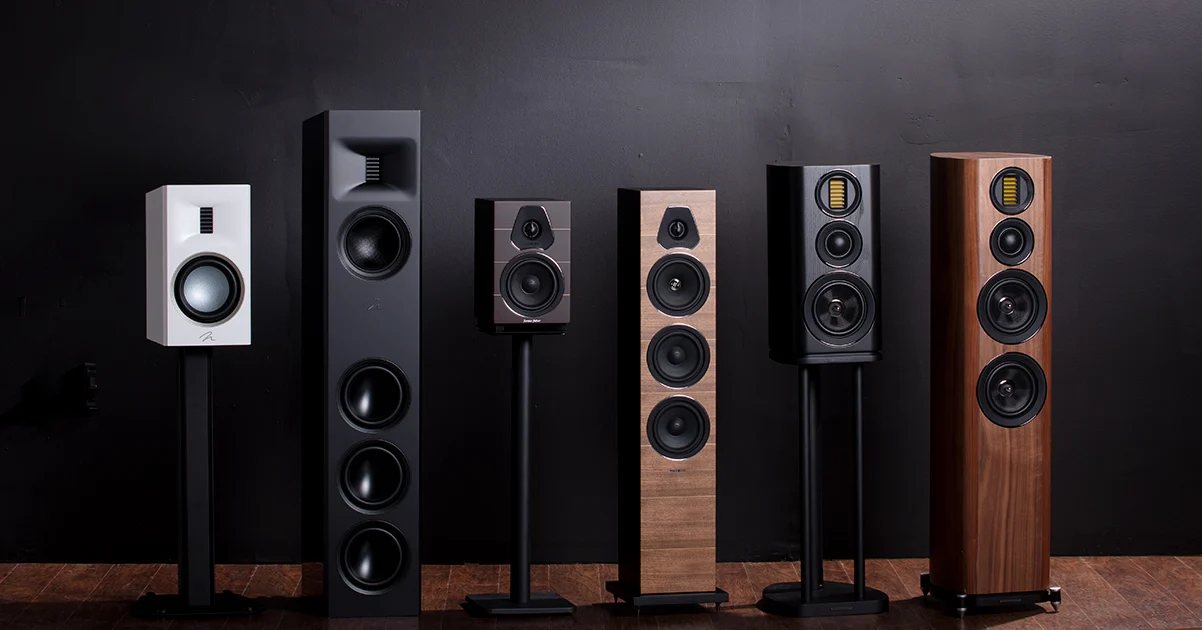
The 18% overnight crash in Sonos shares, despite the Company reporting higher revenues, tells you everything you need to know about where the audio industry is heading, and it’s not a pretty picture.
Investors didn’t dump the stock because Sonos is badly run. If anything, the Company has done an excellent job of turning itself around after the disastrous management era of former CEO Patrick Spence. They dumped it because they’ve looked at the category Sonos operates in and concluded that the future is grim.
They’re right to be worried.
The Numbers Don’t Lie
Some analysts claim the audio market has bottomed. The data suggests otherwise.
Futuresource is forecasting a home audio “recovery” from 2026, driven by soundbar replacement demand and immersive audio innovation, but look at what that recovery actually amounts to: global shipments growing at just 1.4% to 157 million units by 2029, with retail value up a barely better 1.8%. That’s not a recovery, that’s a flatline with a marketing department.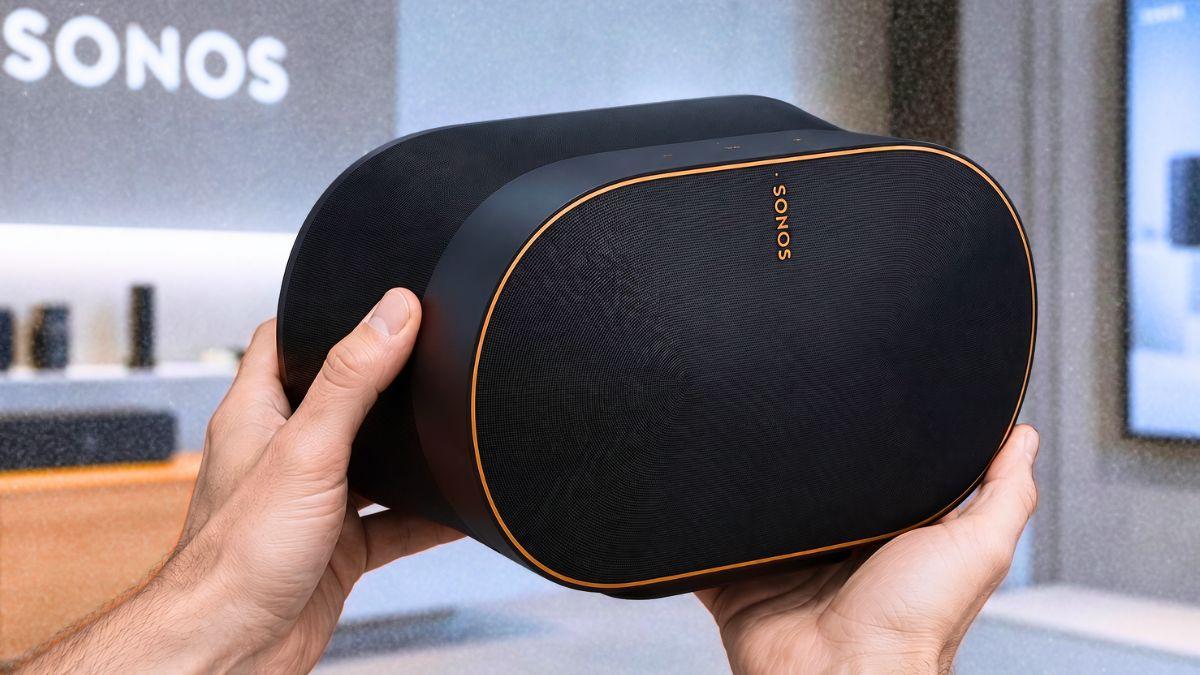
Meanwhile the traditional heart of the industry is bleeding out. Hi-fi system sales have fallen nearly 15% since 2024 and are tipped to keep posting double-digit declines through 2029. AV receivers are down more than 13%. The only real growth is in Bluetooth party speakers, up over 26%, driven by affordable, high-bass product in developing Asia Pacific markets, which is precisely the segment where premium Western brands have no play.
Yes, the vinyl turntable revival and streaming-connected hi-fi integrating Tidal, Qobuz and Apple Music lossless are pulling in digital-native buyers who would never have touched a CD-based system. But it’s nowhere near enough to offset an ageing audiophile base with no generational replacement at the component level.
Sonos: The Case Study Everyone Is Watching
Sonos is the case study everyone is watching, including ChannelNews.
Beyond the app beta story we’ve already reported, the Company has been forced to gut its marketing operation and sack top design and product management executives, raising serious questions about its ability to develop breakthrough product beyond the short-term hardware roadmap.
CEO Tom Conrad’s spin is that reliability has been restored and new SKUs are coming, the Amp Multi, Sonos Play and Era 100 SL among them. But the talent drain is the real story concerning investors, who overnight also lost the Company’s CFO just as Sonos faces mounting economic challenges and a cut to its full-year outlook.
Brittany Bagley will resign effective September 1 after more than three years in the role, with Chief Legal Officer Eddie Lazarus stepping in as interim finance chief. A lawyer running the finances of a hardware company in a declining category. What could possibly go wrong?
The Fire Sale Tells You Everything
If you want to know what the smart money thinks premium audio is worth, look at what Masimo just got for the former Sound United stable.
Harman completed its acquisition of the portfolio, picking up Bowers & Wilkins, Denon, Marantz, Definitive Technology, Polk, HEOS, Classé and Boston Acoustics, for $350 million. That’s roughly a 65% loss on what Masimo paid, and it leaves B&W on its fourth owner since 2016.
This is what private-equity-style ownership churn does to brand value. B&W was once one of the most respected names in loudspeakers. Today it’s a pass-the-parcel asset being shuffled between owners who each discover, in turn, that there’s no growth underneath the badge.
The upshot is that Samsung, through Harman, now effectively controls JBL, AKG, Harman Kardon, Mark Levinson and the entire former Sound United stable. One Korean conglomerate has quietly become the dominant force in what used to be a proudly independent European and American industry.
The Bodies Are Piling Up
And the casualty list keeps growing.
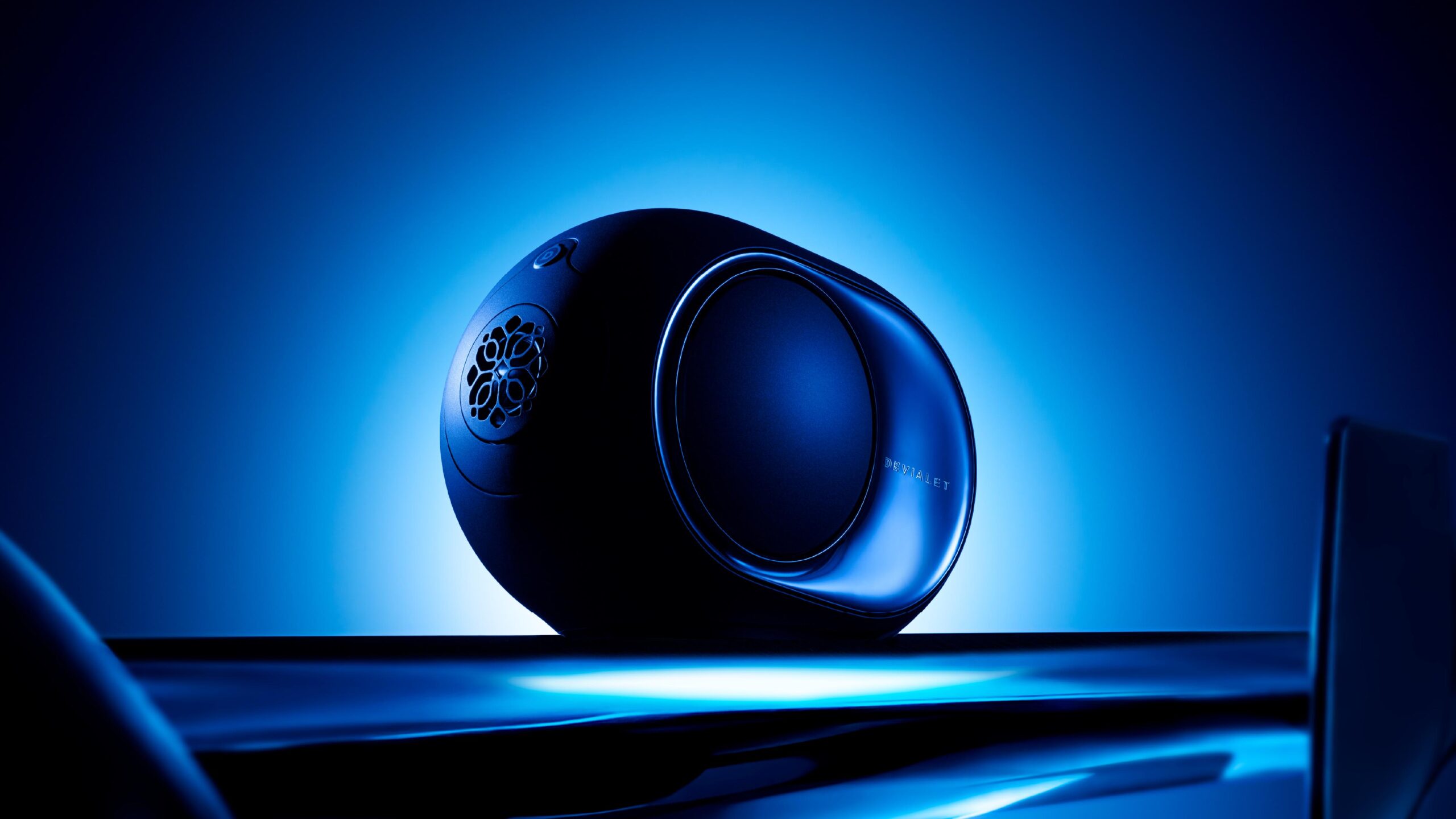
B&O terminated CEO Kristian Teär on 7 January 2026 after revenue fell 3.2% year-on-year, the second CEO the Danish brand has fired under near-identical circumstances 18 years apart. Devialet is stuck cycling through the same pattern of falling revenue, leadership exits and pivots that never change the trajectory.
Cabasse, one of Europe’s oldest loudspeaker manufacturers, has been forced into receivership after declaring it could no longer meet its financial obligations, making it one of the highest-profile casualties in European audio this year. Dynaudio, while not bankrupt, is exiting the US market entirely and closing its North American subsidiary, a stark admission of how expensive it has become for specialist European brands to maintain US distribution.
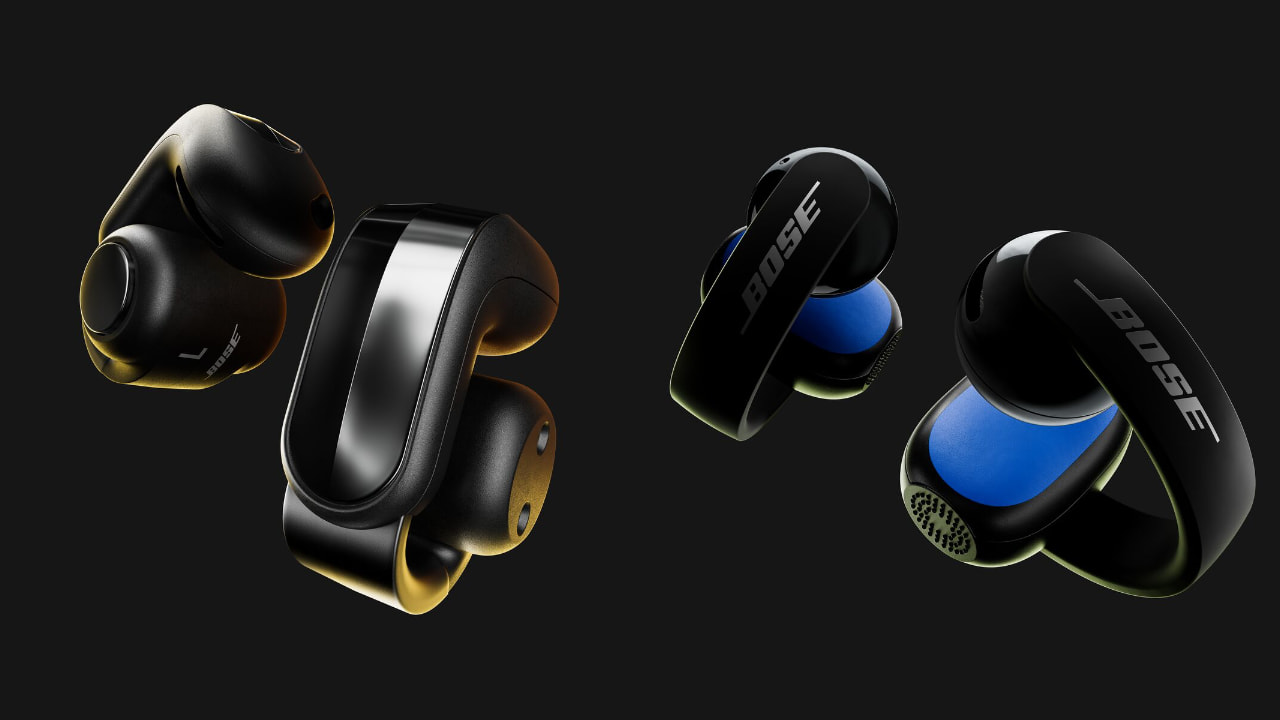
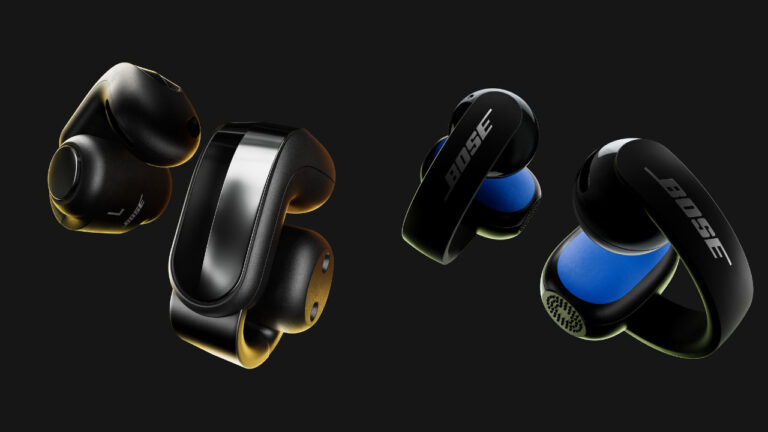
Sennheiser’s consumer business has changed hands via Swiss hearing specialist Sonova. Klipsch parent Voxx and the Premium Audio Company remain profitable but face softening demand across premium home theatre and custom installation, particularly in North America. Even Bose, still privately owned and financially stable, is being squeezed hard enough by Apple, Sony, Samsung and Chinese wireless brands that it’s pivoting into software, automotive partnerships and content rather than relying on hardware.
Q Acoustics’ new management has at least been honest, openly admitting that traditional hi-fi is ageing and the industry must attract younger buyers through lifestyle products, active speakers and new listening experiences. The question is whether anyone can do it fast enough.
The Centre Of Gravity Has Shifted To Asia
Here’s the structural problem nobody in the traditional industry wants to say out loud: the centre of gravity has moved to Asia and it’s not coming back.
Chinese contract manufacturers are converting into local and export brands and grabbing share even in sophisticated pro segments like line arrays. Edifier, FiiO, HiBy, Hisense and Xiaomi are doing to audio exactly what Chinese brands did to the robot vacuum market, delivering high-quality hardware at prices Western specialists simply cannot match.
At the same time, the survivors at the top end all control entire ecosystems. Apple, Samsung, Sony and Xiaomi own the silicon, the software, the services and the retail relationships. A standalone speaker brand, however storied, is fighting that war with one hand tied behind its back.
Meanwhile the channel is collapsing underneath everyone. Brands are going direct-to-consumer, displacing the traditional hi-fi dealer networks that built the industry, while specialist retailers across Australia, Europe and the UK consolidate or pivot to installation services just to stay alive.
More Pain Coming
Analysts increasingly view further consolidation as inevitable, with more acquisitions, restructurings and potential insolvencies expected over the next 12 to 24 months.
They’re being polite. What’s actually happening is the managed decline of an entire industry structure, the standalone Western premium audio brand, that had a fifty-year run and is now being carved up between Asian conglomerates and receivers.
Sonos investors figured that out overnight. The rest of the industry should take note.