Samsung and LG Battle for Smart Home Supremacy
 David Richards
05 Sep 2025
David Richards
05 Sep 2025

South Korea’s tech heavyweights Samsung Electronics and LG Electronics are going head-to-head at IFA 2025, unveiling competing visions for AI-powered homes as the global appliance market pivots toward connectivity and energy efficiency.
Samsung has dominated early headlines, with industry watchers suggesting that OLED displays could soon face competition from RGBLED technology — a format being advanced not only by Samsung, but also Sony and TCL. 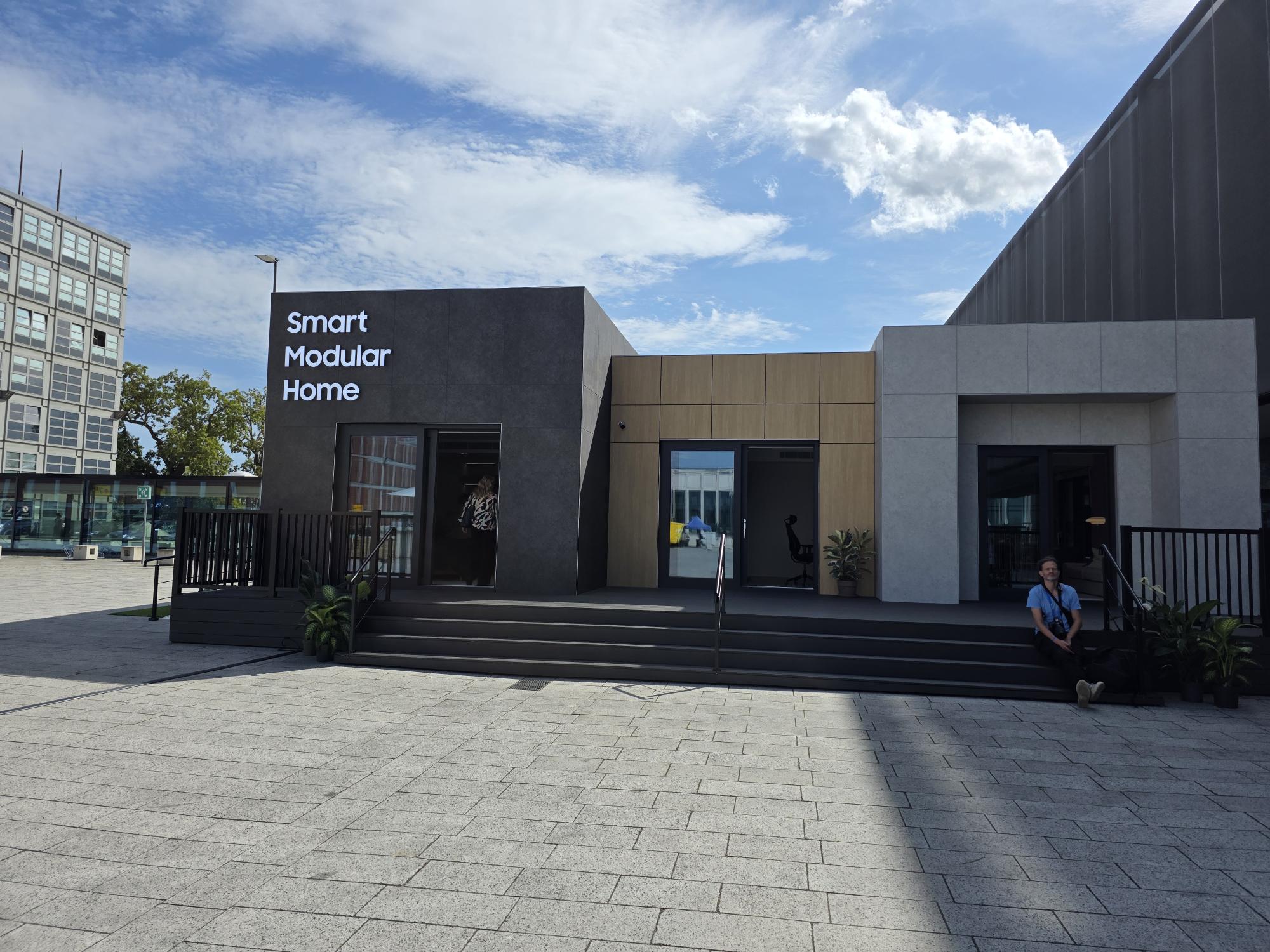
At its 6,235-square-meter booth, Samsung is presenting an AI-powered modular home designed around its SmartThings ecosystem.
Visitors can explore six connected living scenarios, ranging from energy management with solar systems, batteries, and heat pumps, to entertainment, fitness, and security applications. Partner brands including ABB, SMA, Yale, Aqara, and Philips Hue are also on display, though some demonstrations drew criticism for being less polished than Samsung’s own technology.
The booth allows guests to test SmartThings features, such as monitoring energy consumption, remotely controlling appliances, and managing home security systems via smartphone, TV, or even washing machine. Interactive competitions and product discounts are being used to attract consumer attention.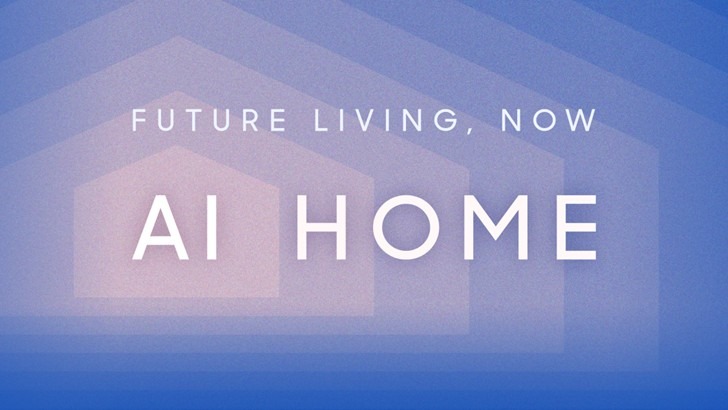
Under the banner “AI Home: Future Living, Now,” Samsung is highlighting four core themes for its connected lifestyle strategy: ease, care, efficiency, and security.
Rival LG Electronics is countering with its “LG AI Appliances Orchestra” showcase at a 3,745-square-meter exhibition hall. The centrepiece is a 20-meter media wall, where 21 AI appliances operate in harmony under the control of ThinQ On, LG’s upgraded AI hub.
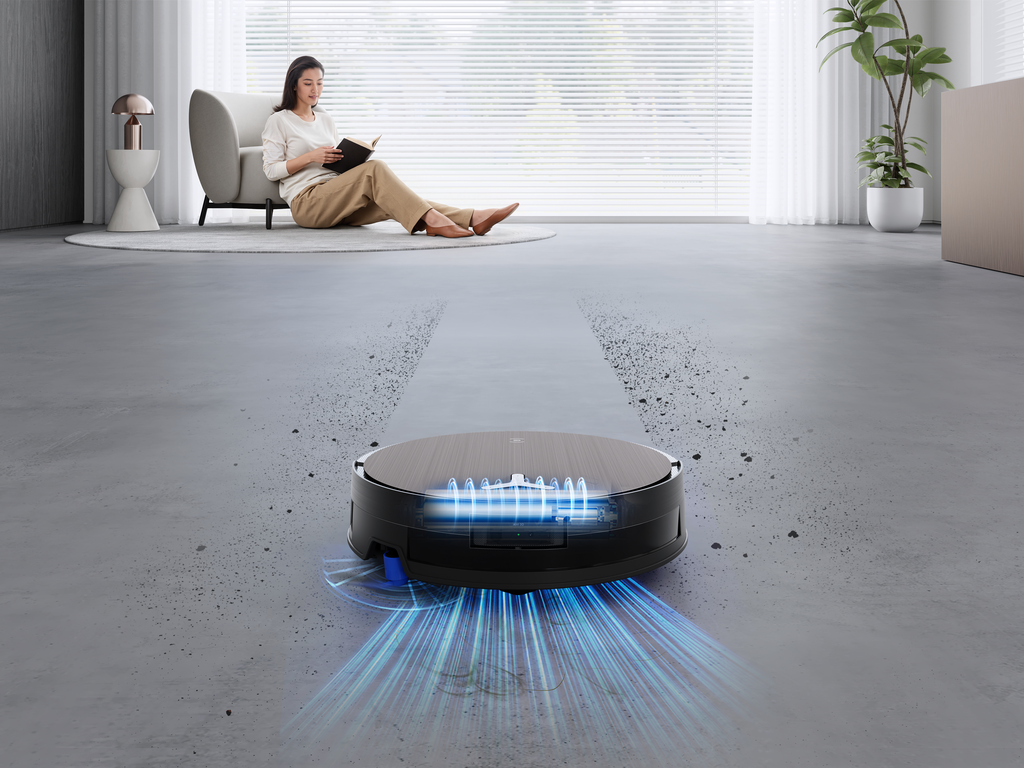
LG is also extending connectivity beyond the home. Its Schpiraum concept links vehicles with household devices, allowing users to preheat ovens, monitor security cameras, or activate robot vacuums from their cars.
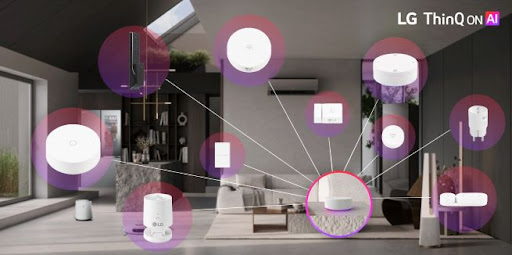
LG is using ThinQ to capture data from multiple devices and then sell it to third parties.
“IFA 2025 is a turning point for Europe’s home appliance market as it shifts toward high-efficiency and AI-driven solutions,” said Lyu Jae-cheol, president of LG’s Home Appliance Solutions Codmpany. The company is also facing competition from European manufacturers such as AEG, which used the event to showcase advanced washing machines and award-winning dryers.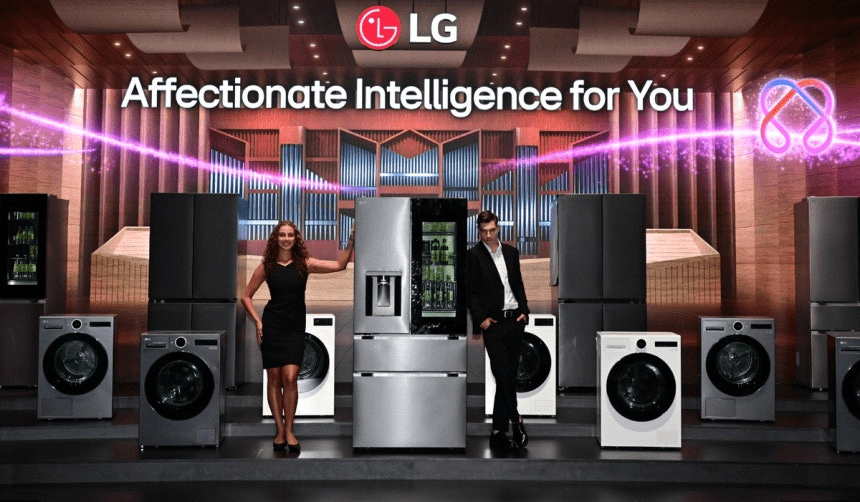
Despite the high-tech displays, both Samsung and LG face challenges in convincing everyday consumers to embrace connected living. Research indicates that 68% of Australians consider themselves “technology dyslexic” and remain resistant to AI in the home. Privacy concerns have also been raised about LG’s invasive WebOS and ThinQ software with consumers concerned as to why the Company is using AI powered appliances to collect and share personal household data, with LG’s ThinQ ecosystem facing scrutiny with private consumer ata sold to third parties.
With both brands betting heavily on AI ecosystems, the rivalry at IFA 2025 underscores a broader industry shift: the future of home appliances will be decided not only by hardware, but by who earns consumers’ trust, data, and long-term loyalty.