EXCLUSIVE:Telstra Has Another Crash 1200 People Affected After Carrier Pulls The Plug
 David Richards
16 Jul 2026
David Richards
16 Jul 2026
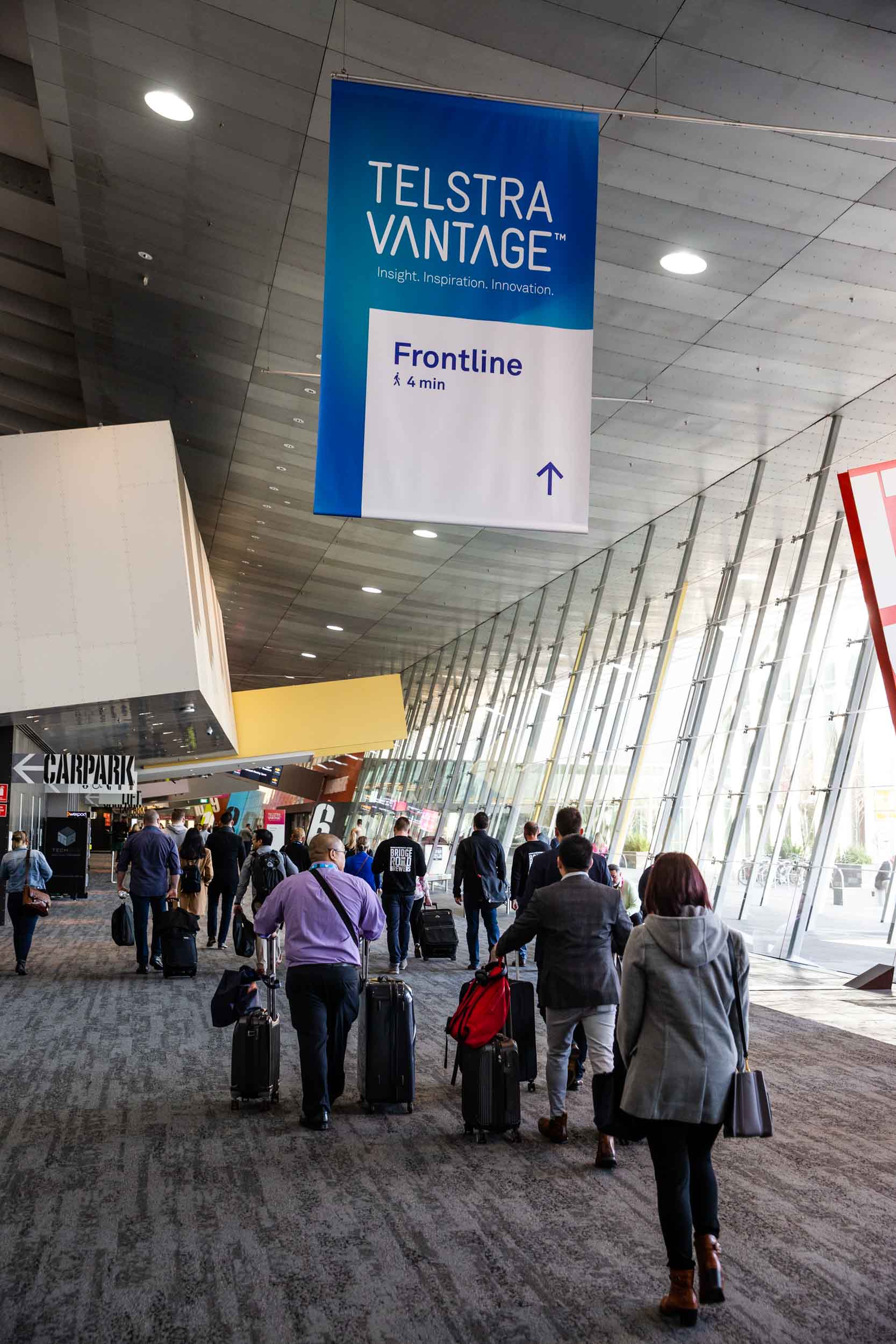
Telstra’s network crash is now costing retailers and suppliers tens of thousands of dollars, after the national carrier pulled the plug on its annual Frontline conference on the Gold Coast this month, which is attended by over 1200 people leaving brands who had paid for stands, accommodation and flights to wear the cost of the late cancellation, according to sources who were due to attend.
The same carrier has also stopped management from attending tonight’s (Thursday) Telecommunications Industry Excellence Awards, where ironically Telstra was tipped to be patted on the shoulder for its so-called “excellent service”, with the Federal Senate set to grill Telstra executives tomorrow on their disastrous network failure.
Brands Wear The Cost
Frontline is Telstra’s annual internal conference for its retail and frontline staff, store teams, contact centre people and partners, held on the Gold Coast over multiple days. Part sales kick-off, part product showcase, part staff recognition event, it is where brands spruik audio gear, accessories and upcoming mobile devices to the very people recommending handsets in Telstra stores.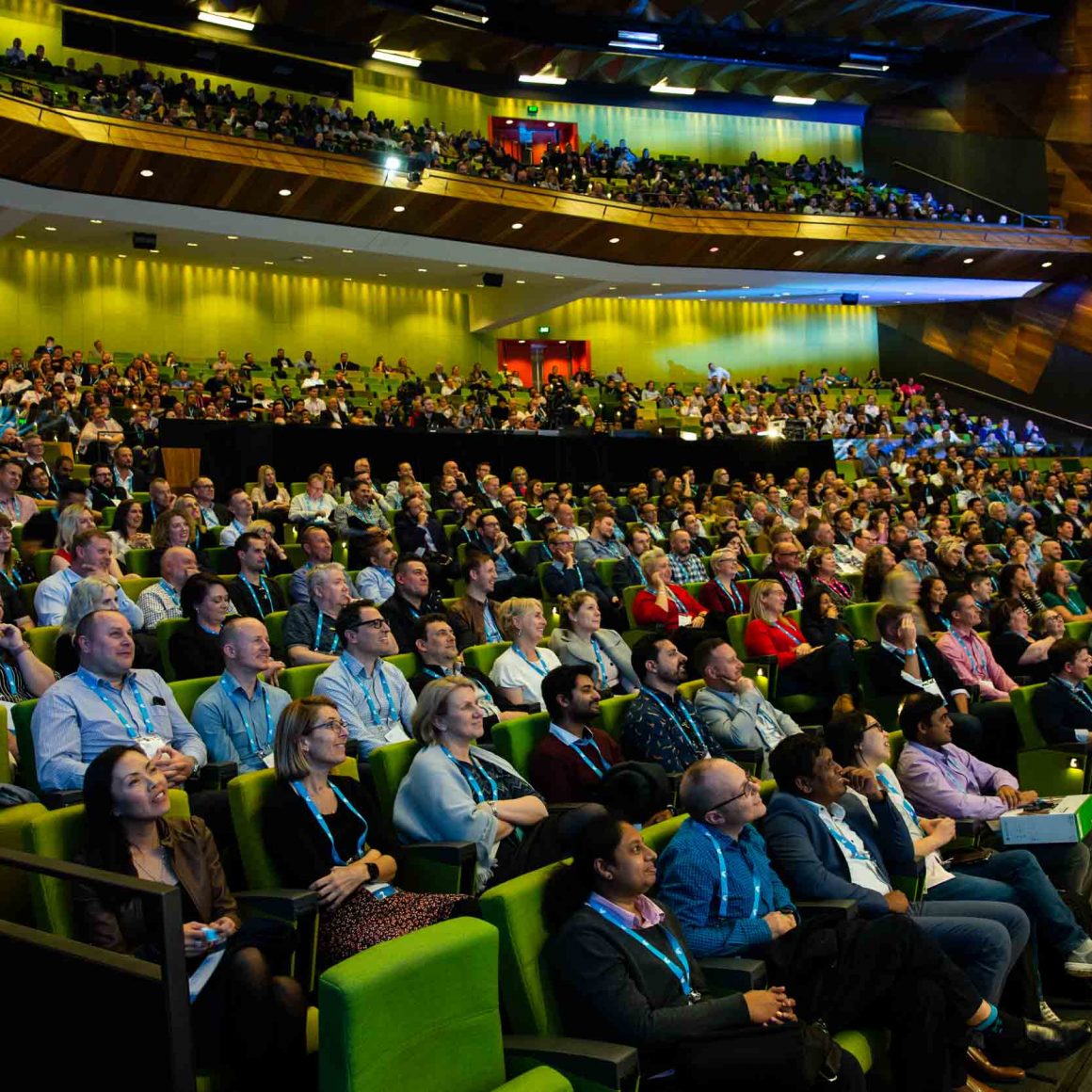
Device and platform partners routinely invest thousands building activations aimed at Telstra management. Last year Google commissioned an immersive booth experience through Amplify Brand Experiences to showcase its hardware, while Samsung, Apple accessory partners and others treat the event as a key channel-influence moment.
Telstra CMO Brent Smart and other senior leaders attended and presented last year, with Smart’s LinkedIn posts referencing his return from Frontline, “our conference,” he wrote. Had this year’s event gone ahead, Smart would have had a lot of explaining to do about what really went wrong at Telstra, with the network crash shutting down business activity and leaving millions of Australians unable to communicate.
Ironically, Telstra does not press-release the event. Given the July fallout, it would have been interesting to hear what CEO Vicki Brady’s and CFO Michael Ackland’s message to frontline staff would have looked like.
No-Show At The Industry’s Night Of Nights
Tonight’s Excellence Awards winners will celebrate at a gala dinner at Sydney’s Shangri-La Hotel, an event the industry’s peak body describes as the telcos’ “night of nights”. Like Frontline, Telstra is a late apology, perhaps realising that a black-tie industry love-in, or a major piss-up on the Gold Coast for staff, is not the best look right now.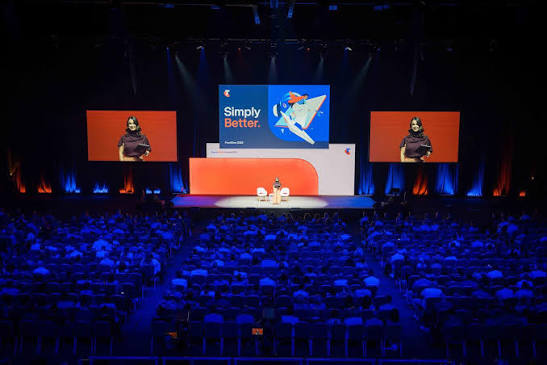
Tomorrow the carrier faces a Senate review into what went wrong, with separate probes already underway by the ACMA, the Triple Zero Custodian and Telstra’s own internal review team. That is four investigations running in parallel, each with the potential to surface embarrassing findings, claim former management.
The Numbers Telstra Cannot Spin
More than 604 people were unable to reach Triple Zero during the roughly 12-hour outage, with the Triple Zero failures alone potentially costing Telstra up to A$30 million in fines. Some 639 welfare checks were conducted after the failed emergency calls, and any adverse outcome from those becomes a reputational catastrophe on top of the financial one.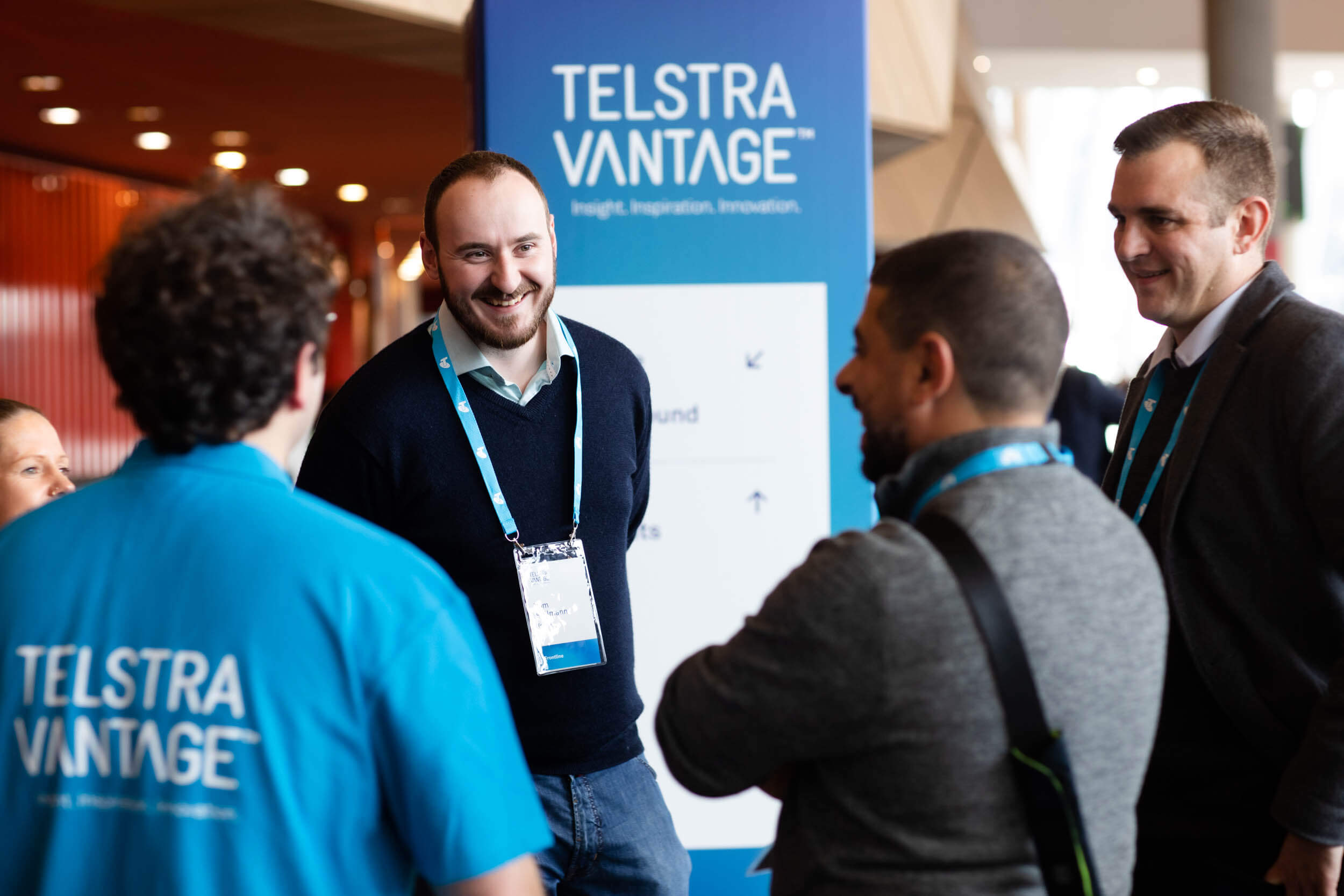
Telstra detected the problem at 4.30am, but Communications Minister Anika Wells was not told until about 7am, after Telstra had already briefed media at 6.35am. Telstra has rejected Wells’ criticism, insisting it met its obligations, and the notification delay will now form part of the ACMA investigation.
Brady cut short an overseas holiday and did not front media until last Friday, leaving Ackland carrying the crisis in the critical first days. Her absence at the peak of the incident is a legitimate governance question, although explainable given she was in Europe when the network fell over.
One Glitch, National Blackout
The problem appears to have been a firmware glitch that reset time-keeping servers’ internal clocks back 20 years to November 2006, breaking authentication across the mobile network. That a single software defect could take down the national network raises resilience questions Telstra cannot easily answer, and the ACMA is now investigating Telstra’s third major outage in a year.
Wells has publicly claimed telcos are the least trusted industry in Australia, while Opposition communications spokesperson Sarah Henderson called the government’s response totally inadequate, meaning both sides of politics have an incentive to keep hammering Telstra.
Brady has said it is too early to talk about compensation, a line that will not hold long under pressure from Senators.
Telstra management’s real problem is not the glitch itself. It is the compounding governance story: slow ministerial notification, an absent CEO, a third outage in twelve months, and regulators under public pressure to finally show teeth.