RGB LED TVs Set To Surge As Brands Chase Bigger Screens And Higher Margins
 Joe Gallop
16 Jul 2026
Joe Gallop
16 Jul 2026
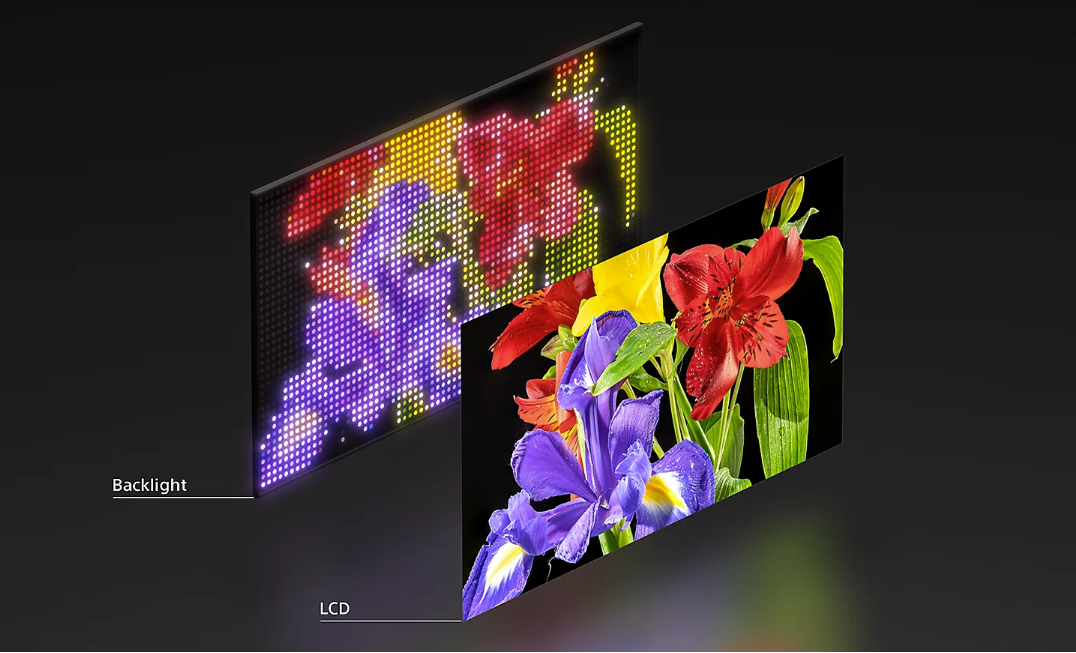
RGB LED televisions are expected to become a major force in the premium TV market as manufacturers turn to brighter displays, larger screen sizes and new backlight technologies to drive revenue.
New Omdia forecasts predict RGB LED TVs will account for 13% of global TV revenue by 2030, up from just 3% in 2026.
Global shipments are tipped to climb from 1.1 million units this year to 7.1 million by 2030, representing growth of more than 500%.
RGB LED backlighting uses separate red, green and blue LEDs rather than the traditional blue LED and quantum dot approach. The technology can deliver purer colours, greater brightness and coverage of up to 100% of the BT.2020 colour standard.
Samsung, LG and Hisense are among the major brands investing in the technology as they look to compete with OLED while avoiding issues such as image burn-in and high panel manufacturing costs.
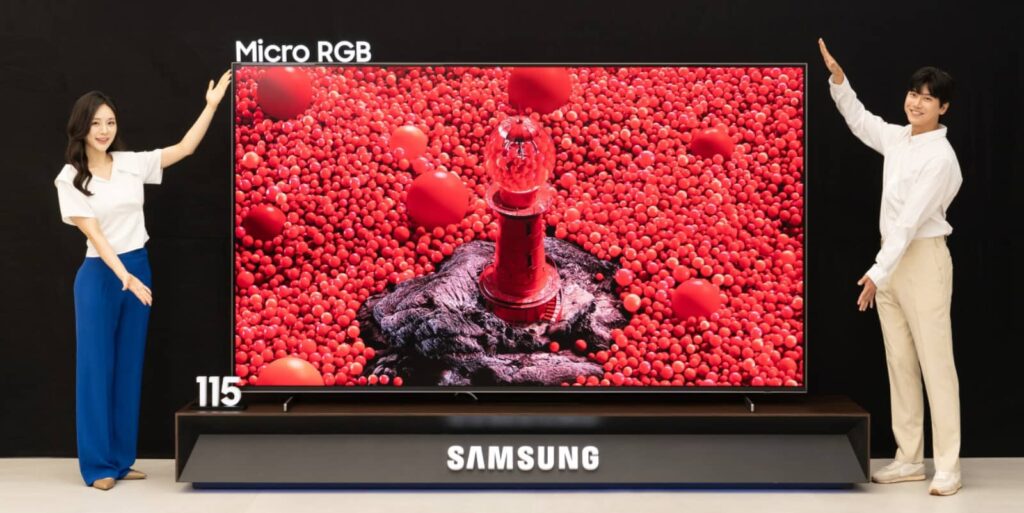
Mini LED is also expected to remain a key growth category, with shipments forecast to rise from fewer than 18 million units in 2026 to almost 30 million in 2030.
By comparison, OLED TV shipments are expected to remain broadly flat at around 6.9 million units, while conventional LED-backlit TV shipments are forecast to decline 7%.
Large-screen demand is expected to help accelerate the shift. By 2030, around 18% of RGB LED TVs and 24% of Mini LED models are forecast to measure 85 inches or larger.
The growth comes as aggressive retail promotions continue to reshape global TV pricing. Futuresource Consulting says discounting has expanded beyond traditional sales periods, increasing margin pressure across the industry.
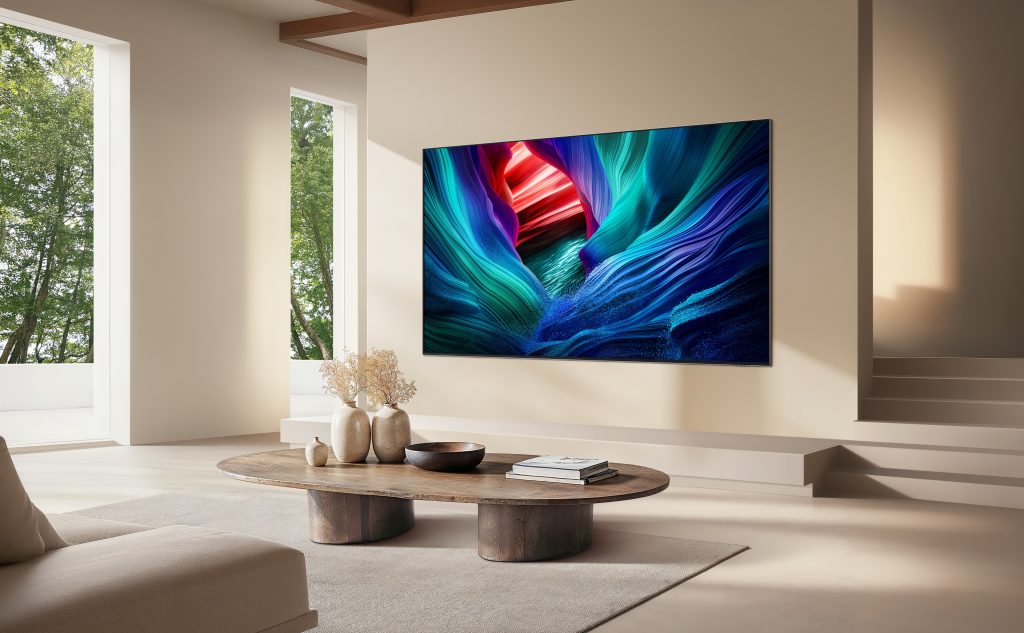
Prices for TVs above 90 inches have fallen from more than A$22,700 in early 2023 to around A$9,900, pushing ultra-large displays closer to the mainstream premium market.
However, wider TV display shipments are expected to decline 2.5% this year as higher memory and component costs weigh on manufacturers.
“RGB LED signals a major transformation in the TV set market,” said Omdia TV research practice leader Patrick Horner.
“This is not just a gradual technology update. It represents a key architecture for the next decade of TV industry growth.”