EXCLUSIVE: Former Motorola Mobile Boss Snared By Chinese Arch Rival
 David Richards
16 Jul 2026
David Richards
16 Jul 2026

The executive credited with transforming Motorola into Australia’s number two Android brand has abruptly quit the Lenovo-owned company to head up TCL’s mobile operation in Australia, in a move that hands the Chinese competitor intimate knowledge of its rival’s local playbook.
Kurt Bonnici, most recently Motorola’s Head of Strategy and Sales Operations for Greater Asia Pacific, stepped down in July 2026 after nine years with the company.
He will now run TCL’s mobile business from a Melbourne base, tasked with reigniting a brand that has struggled to grow market share in Australia, the same position Motorola was in when Bonnici took charge of that brand locally.
Prior to his regional role, Bonnici served as Motorola’s Head of Australia and New Zealand, where he engineered one of the most dramatic brand turnarounds seen in the local smartphone market.
The Motorola Turnaround
When Bonnici took over the Australian operation, Motorola was a marginal player in a market dominated by Apple and Samsung. Four years on, the brand sits as the number two Android brand in Australia.
The numbers tell the story. IDC data showed Motorola delivered 105.6 per cent growth in a single quarter while the overall Australian smartphone market grew just 3.1 per cent, and grew 97.1 per cent across calendar 2024, dwarfing Samsung’s 6 per cent and Apple’s 1.9 per cent. More recent IDC figures show local share up a further 10 per cent over the past year, with 17 per cent growth in the most recent quarter tracked.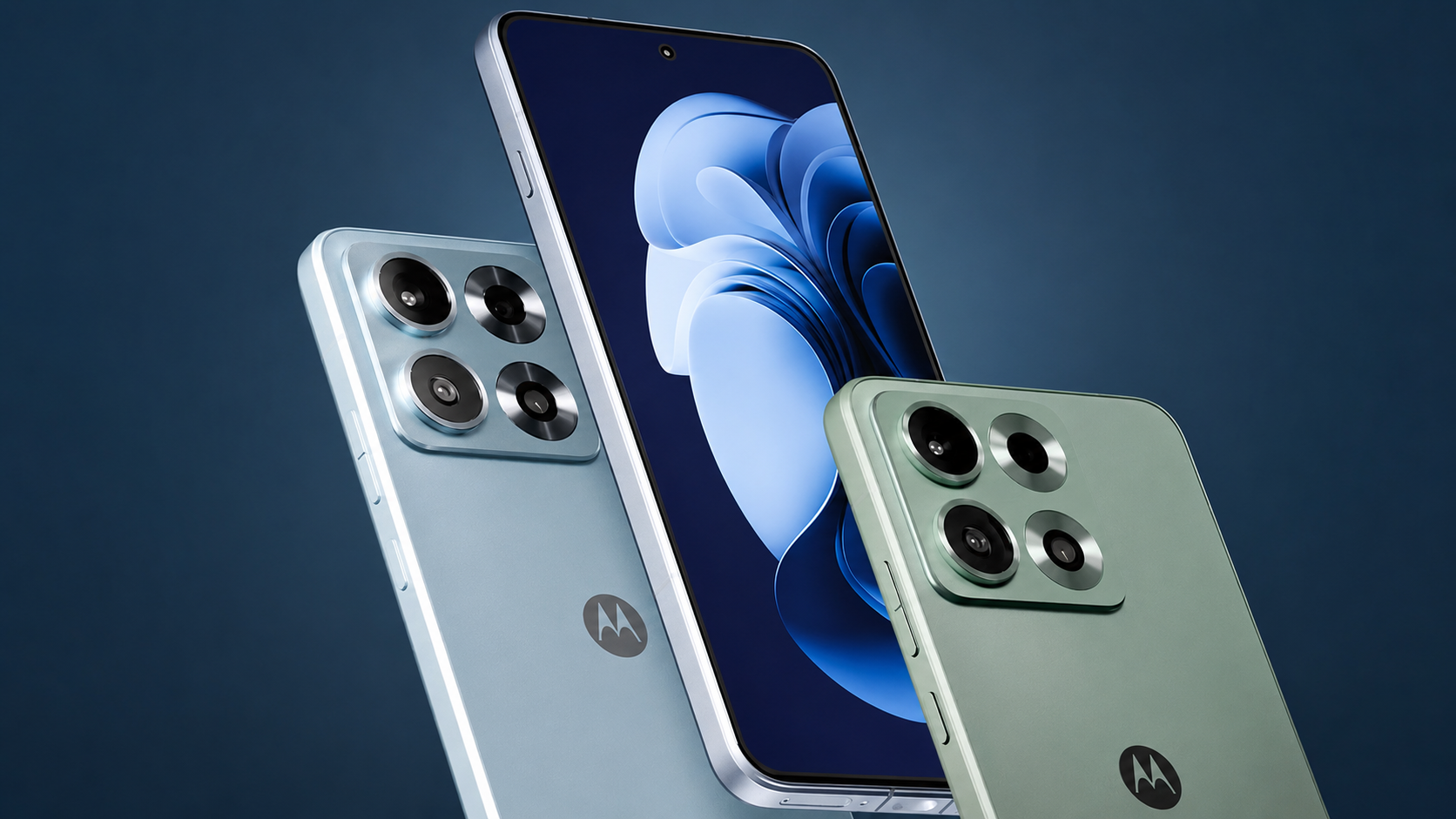
Central to Bonnici’s strategy was flooding carrier prepaid ranging with cheap Motorola devices, displacing brands such as Alcatel, the very brand TCL built its Australian business on. Today Alcatel has effectively vanished from local carrier ranging, replaced by the low-cost Motorola handsets that anchored Bonnici’s volume play, with the brand also riding the 3G network shutdown as consumers migrated to new devices.
That volume foundation set up Motorola’s current assault on the premium segment, including a new Signature flagship, a foldable and the wafer-thin Moto Edge 70, plans Bonnici is understood to know in detail as he crosses to a direct competitor.
A Troubled TCL Operation
Bonnici inherits a business in transition. TCL has been growing overseas but struggling in Australia, recently closing its Sydney-based mobile operation and folding it into the company’s Melbourne head office.
The restructure followed the departure of Jimmy Sun, a former senior executive of TCL ANZ mobile, who was walked from the building after an investigation into his links with a distribution company that was also selling mobile devices similar to TCL’s own.
Bonnici is expected to focus on retailers including JB Hi-Fi and Harvey Norman, both of which already range the TCL brand. 
From Alcatel Dominance To Also-Ran
The irony of Bonnici’s appointment is that TCL once owned the very market segment he later captured for Motorola.
Under the management of Sam Skontos, the company was highly successful selling Alcatel-branded smartphones, and to a lesser degree BlackBerry devices, into the Australian market. Alcatel was for years the default sub-$150 prepaid brand in Australia, with locked Telstra and Optus handsets sold through carrier channels, Big W, Kmart and Australia Post. At one stage the $89 Alcatel 1C was the cheapest phone in Telstra’s entire range, sold as a locked prepaid device. TCL also quietly built many of the Telstra-branded “Essential” own-label phones.
From around 2020, TCL pivoted to its own name locally, ranging the TCL 10, 20 and 30 series, including 5G models, through JB Hi-Fi, carriers and online channels.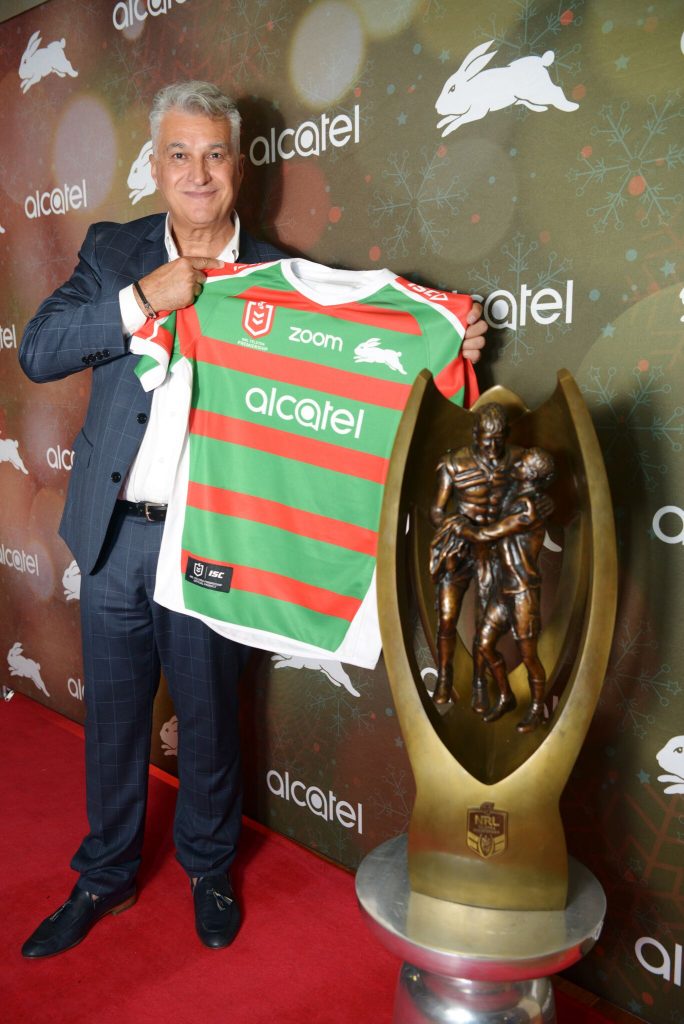
Two decades after acquiring Alcatel’s handset business, TCL Mobile remains a successful ODM and carrier supplier and a budget brand, but has no premium presence in Australia, a near-identical situation to the one Bonnici confronted at Motorola.
The NXTPAPER Bet
TCL is now betting on its NXTPAPER display technology, a paper-like, low-glare screen the company believes can differentiate the brand in a crowded Android market, as the platform for its Australian reentry under Bonnici.
Whether he can repeat the Motorola formula, using aggressive carrier and retail ranging to build volume before pushing upmarket, will be one of the more closely watched plays in the Australian mobile channel over the next 12 months.