REVIEW Samsung S26 Ultra The Smartphone Even Competitors Turn To For Influence
 David Richards
10 Mar 2026
David Richards
10 Mar 2026
I’ve been reviewing Samsung smartphones since the early days when the company was still battling for relevance against Nokia, HTC and Motorola—long before Apple even entered the smartphone market.
What set Samsung apart even then was a clear belief that relentless iteration and engineering would eventually deliver results. That philosophy has paid off. Today Samsung stands as one of the most influential smartphone manufacturers in the world, and devices like the Galaxy S26 Ultra are models that even competitors quietly study.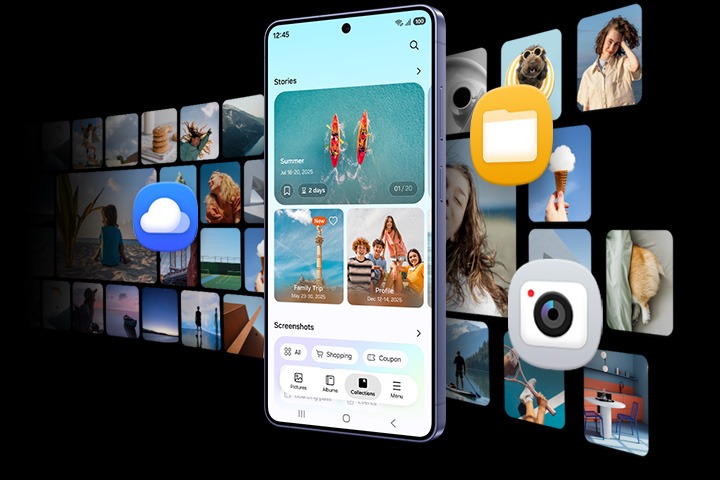
The question now is how Samsung’s latest premium offering stacks up in a market where Chinese brands are becoming increasingly competitive—and where even Motorola, now under Chinese ownership, is attempting to replicate ideas Samsung introduced years earlier.
Part of Samsung’s advantage lies deeper than branding. The company manufactures key components used across the industry, supplying major brands including Apple and Motorola. In Apple’s case, Samsung components make up a significant share of the core hardware found inside premium iPhones. That vertical integration often places Samsung a step ahead technologically, meaning new Galaxy releases tend to focus on refinement and evolution rather than headline-grabbing gimmicks—a contrast to some newer brands chasing attention with radical designs.
Take Motorola’s latest folding device, which closely resembles Samsung foldables from two years ago. It’s a reminder of just how far ahead Samsung has been in several categories.
Design and Build
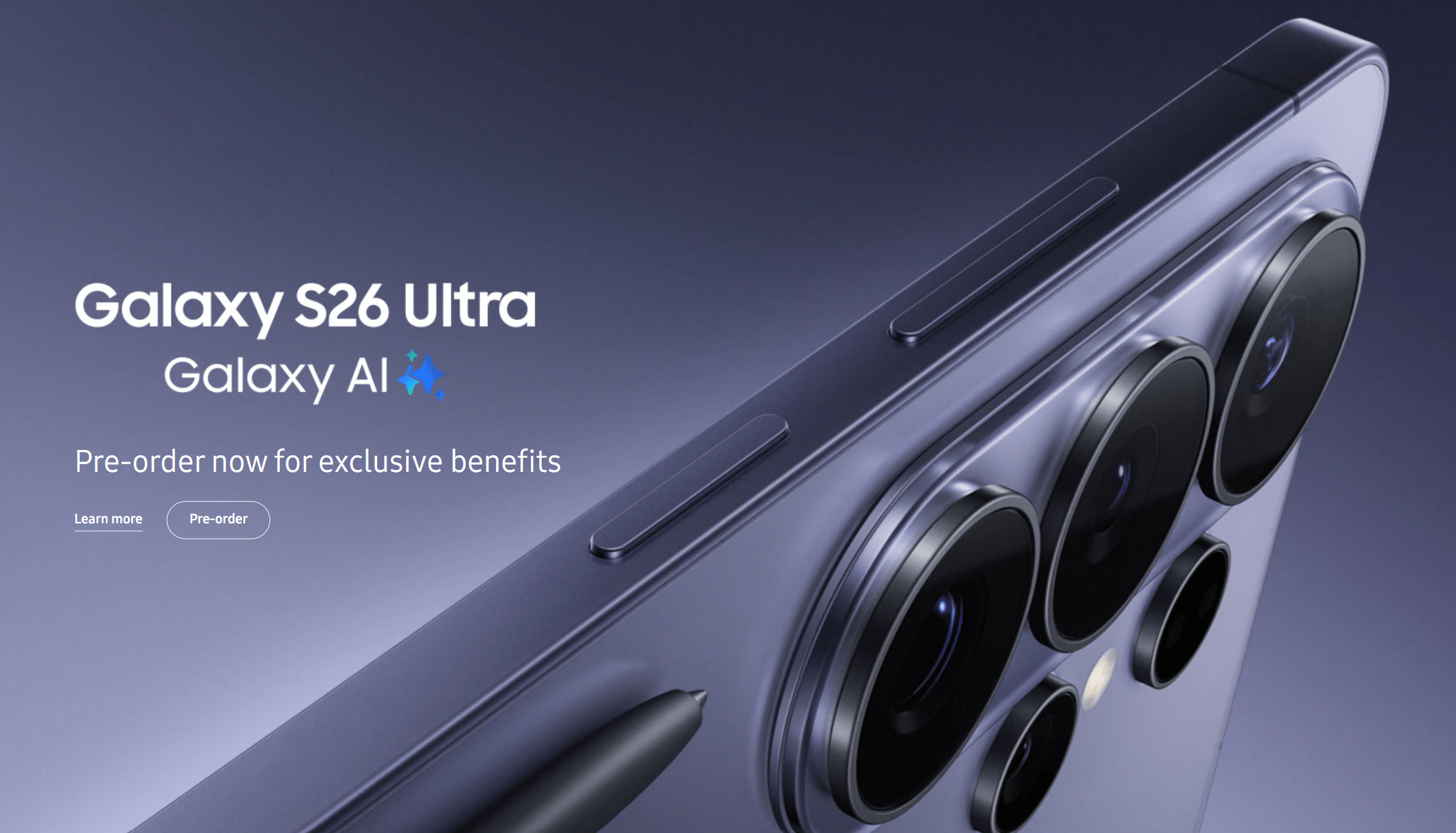
A closer look at the Galaxy S26 Ultra reveals a device focused on refinement.
Externally, Samsung has refined the edges and reduced overall weight, making the phone noticeably easier to handle than its predecessor. The new model is slightly taller and wider, yet the rounded edges make it more comfortable in the hand and easier to slip into a pocket.
Samsung has also switched from titanium side rails back to aluminium. While titanium sounds impressive on paper, aluminium has allowed Samsung to shave off additional weight, making this the lightest Ultra model yet. When placed beside the iPhone 17 Pro Max, the difference is immediately noticeable.
Privacy Innovation
One of the most interesting additions is a hardware-level privacy screen built directly into the display.
Through the settings menu, users can activate a feature that narrows the display’s viewing angle by selectively disabling certain OLED pixels. The result is that anyone sitting beside you on public transport or standing behind you in an elevator will struggle to see what’s on your screen.
It’s effectively a built-in privacy filter—removing the need for aftermarket privacy screen protectors.
AI and Performance
Samsung has leaned heavily into what it calls “agentic AI”, introducing Gemini-powered automation designed to perform tasks across apps rather than simply respond to voice commands.
Features such as Photo Assist AI allow users to remove, reposition, or generate objects in photos, while smart suggestions like Now Nudge provide contextual reminders and actions. The system can screen calls for scams, scan documents and offer workflow suggestions before you even ask.
At its core, the S26 Ultra runs Samsung’s customised Snapdragon 8 Elite Gen 5 for Galaxy, and the performance improvements are noticeable. Samsung claims:
39% better AI processing
24% GPU improvement
19% CPU performance boost
Early use suggests these gains are realistic, with noticeably faster responsiveness compared with the previous generation.
Charging has also been improved. With a compatible 35W+ wall adapter, the phone supports up to 60W wired charging, allowing the battery to reach roughly 75% in around 30 minutes.
Camera
Samsung has retained the core camera hardware from recent Ultra models—and for good reason. The system was already among the best available.
Instead of replacing sensors, Samsung focused on refining the imaging engine and optics. The 200MP main sensor now benefits from a wider aperture, allowing up to 47% more light capture, which significantly improves low-light photography.
In real-world testing—including shooting a live band in a dim Sydney club—the difference in detail and brightness was immediately noticeable.
Zoom photography remains one of the Ultra series’ standout strengths. Shooting distant subjects, such as the Cunard Queen Mary 2 from across the harbour, demonstrates just how capable Samsung’s zoom system remains.



The above shots demonstrate the quality of the S26 Ultra camera on a muggy day in Sydney harbour when a boat a kilometre away is photographed.

This photograph was 1200X zoom over 3 kilometres from Balmoral Beach in Sydney.

These two images were shot in a dark club in Sydney with remarkable detail considering the light conditions.

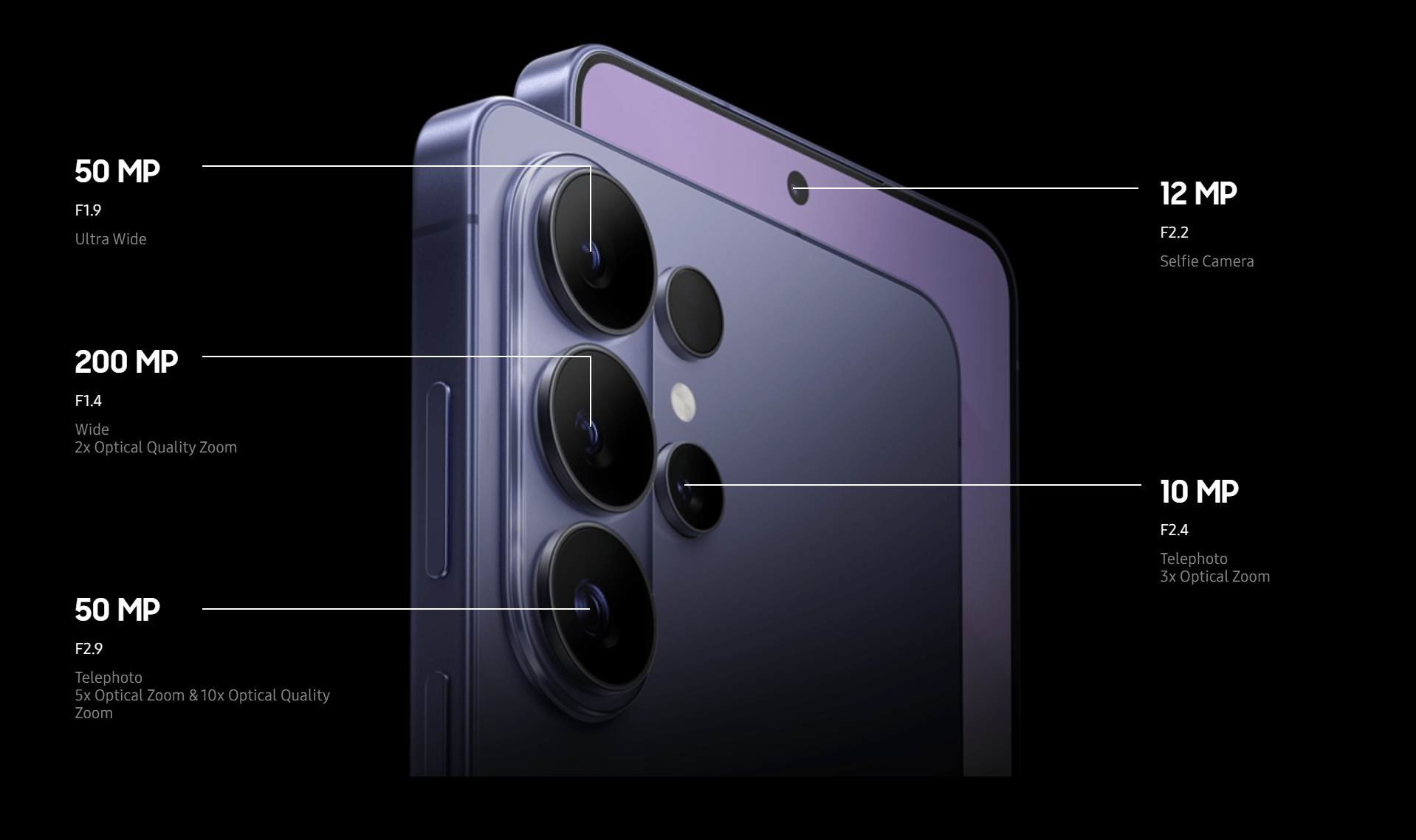
Video capture has also improved, particularly in challenging lighting conditions. Samsung’s camera software now better manages digital noise, automatically filtering it from footage to produce cleaner clips.
AI Photo Editing
The Photo Assist tool in the Gallery app now supports natural language editing. Instead of using manual tools, you can simply type what you want changed.
For example:
Turn a dull harbour photo into a brighter scene
Move objects around the frame
Replace clothing in a photo using images from your gallery
Results vary depending on complexity, but when it works well it’s impressively intuitive.
Software and Assistants
Samsung has also updated Galaxy AI, including improvements to Bixby. While many Android users still rely on Google’s voice assistant, Bixby now better understands context and can access real-time web information.
More interesting is Samsung’s deeper integration with Perplexity AI, which can be activated using the command “Hey Plex” to launch quick searches or conversations.
Another useful addition is Now Brief in One UI 8.0, which aggregates information from apps and provides contextual updates throughout the day.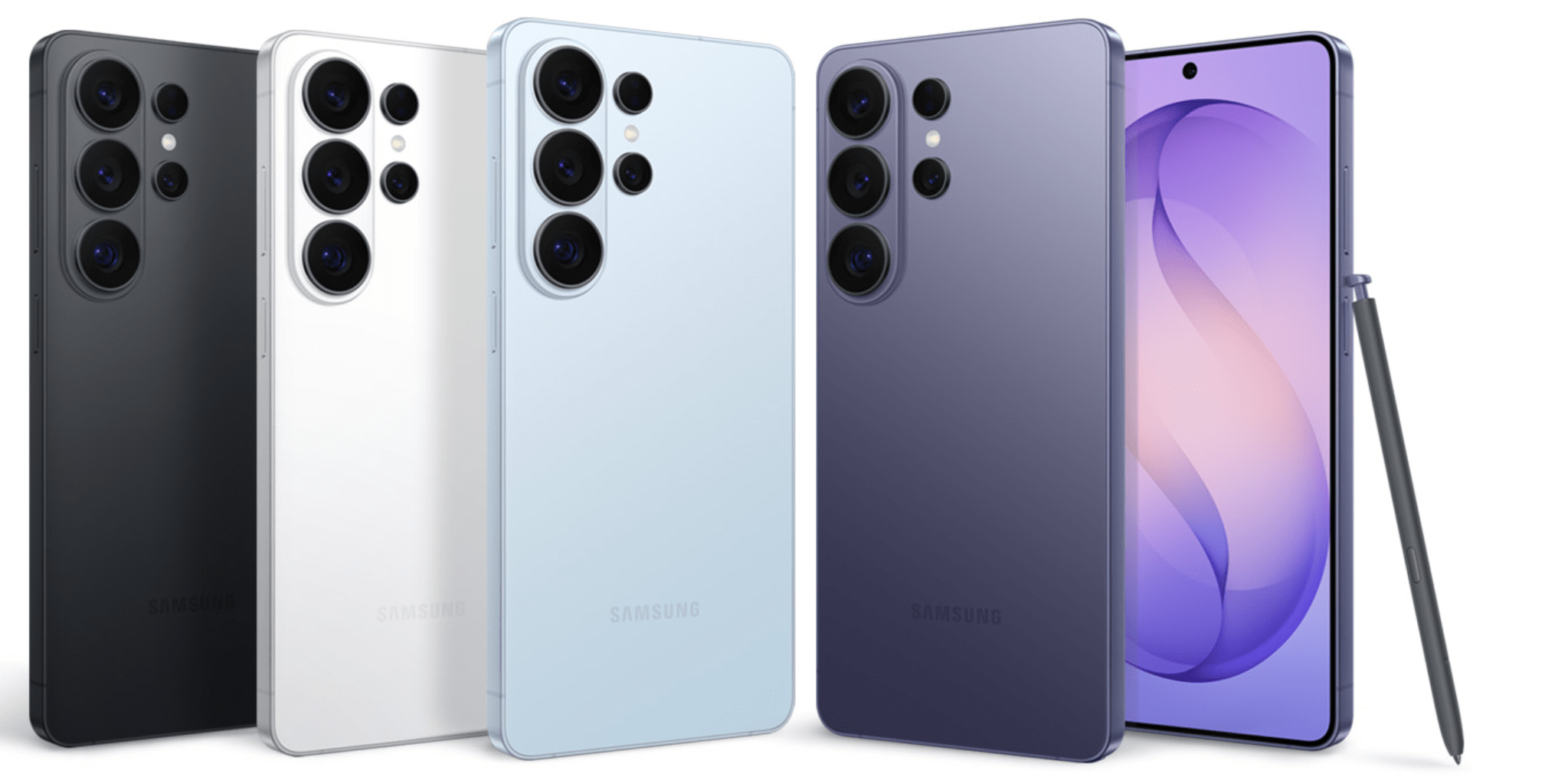
Meanwhile Now Nudge suggests actions based on your conversations—for example adding a meeting to your calendar while you’re chatting about plans.
Search and Visual Discovery
Samsung’s Circle to Search feature has also evolved. Users can now circle multiple objects in an image—such as clothing or accessories—and search for all of them simultaneously.
Conclusion
The Galaxy S26 Ultra is a device packed with innovation, particularly in AI and intelligent automation. But beneath the software enhancements lies what really matters: excellent hardware.
The camera system remains one of the best available on any smartphone, the performance is class-leading, and the display is among the finest in the industry.
At $2,199, the S26 Ultra sits firmly in the premium category. However, for many users this isn’t just a phone—it’s a daily tool used for photography, communication, productivity and content creation.
For bloggers, influencers and anyone who relies heavily on mobile technology, the combination of Samsung’s hardware and software capabilities makes the S26 Ultra one of the most complete smartphones currently available.
Competition is increasing, but at this stage Samsung still sets the benchmark.
And paired with quality headphones or Samsung’s latest Galaxy Buds, the device also delivers impressive audio performance—something I’ll be exploring further in an upcoming review.