REVIEW: Samsung Galaxy S25 FE – Is It Really Worth the Savings?
 Joe Gallop
22 Sep 2025
Joe Gallop
22 Sep 2025

Samsung’s latest “Fan Edition” device, the Galaxy S25 FE, is positioned as the budget-friendly gateway into the company’s flagship ecosystem.
At A$849 from JB Hi-Fi (compared to A$987 for the standard S25), the idea is clear – give users a taste of Galaxy AI and premium photography without the full flagship price tag.
But the real question is whether shaving a hundred bucks off is actually worth the compromises.
On paper, the S25 FE doesn’t hold back on software. It comes with One UI 8 and the full suite of Galaxy AI tools that Samsung has been pushing as the future of its ecosystem.
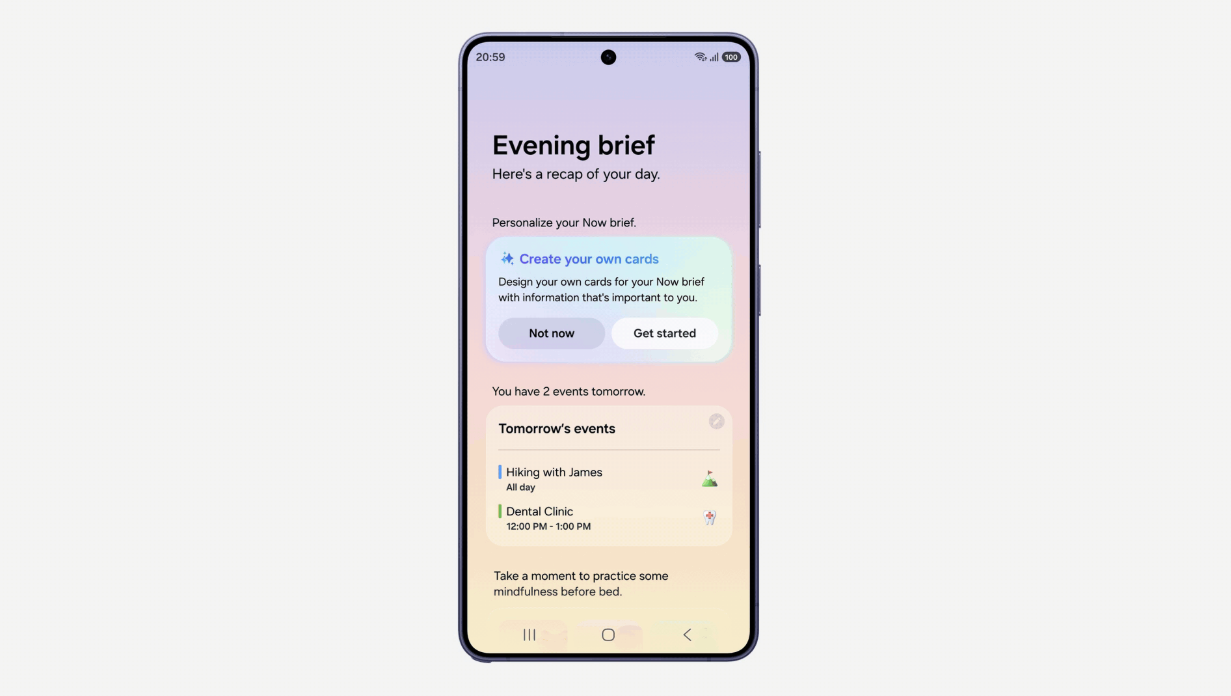
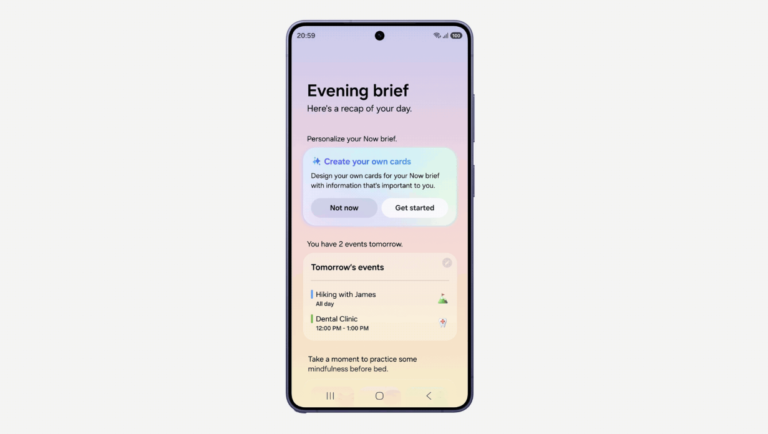
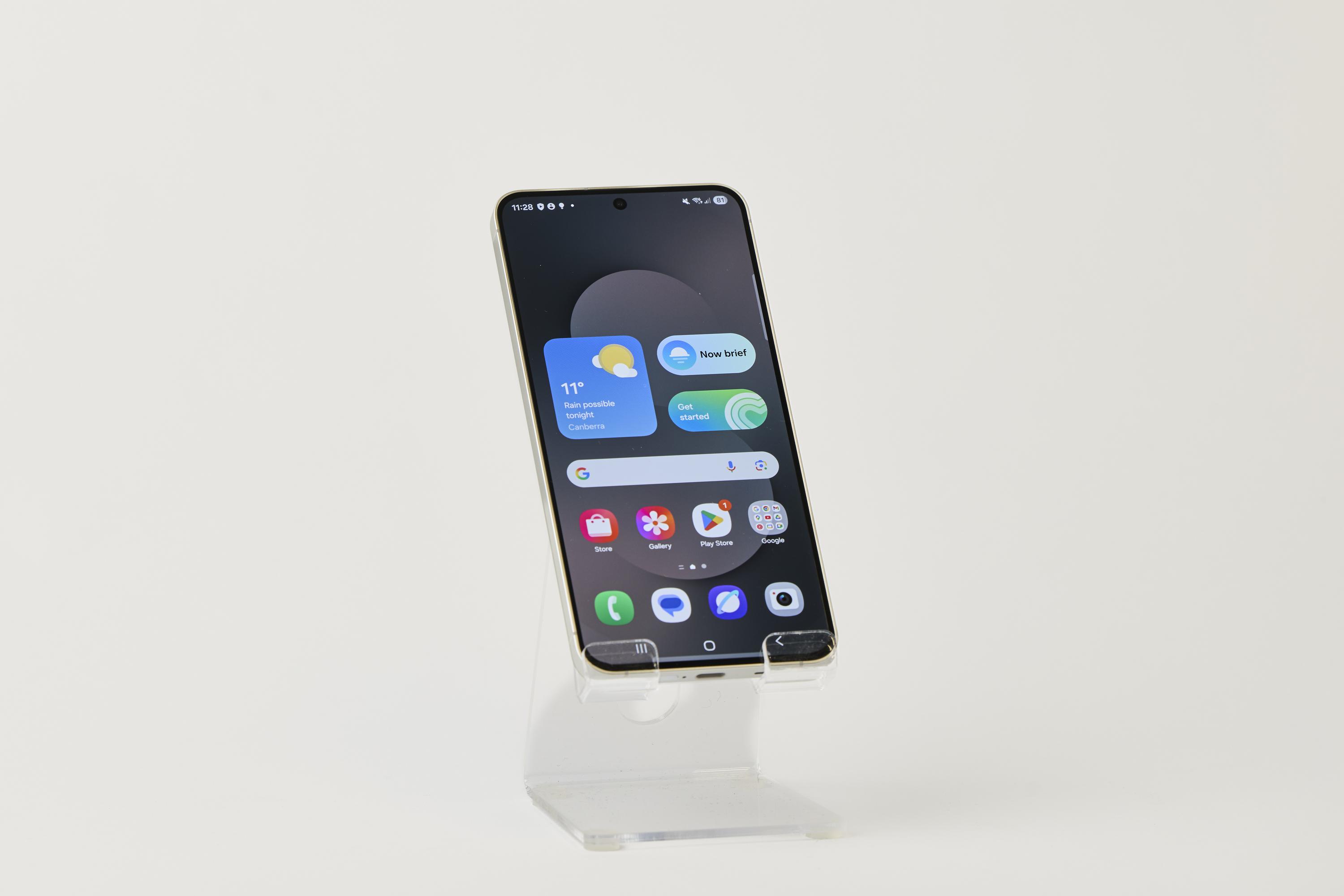
Features like Circle to Search with Google, Generative Edit for photos, and the Now Bar/Now Brief contextual assistants make this device feel very much part of Samsung’s top-tier lineup.
In fact, the phone is being marketed as the “gateway to Galaxy AI” – a way to bring multimodal AI assistants, on-device personalisation and Knox Enhanced Encrypted Protection (KEEP) to a wider audience.
These tools are slick and genuinely useful – whether it’s editing out photobombers or getting Gemini Live to help with everyday advice.

The trade-off comes in hardware. This is where the S25 FE feels less flagship and more like a mid-range compromise.
The 6.7-inch Dynamic AMOLED 2X display runs at 120Hz but measured brightness peaks at just 1247 nits. Compared to the 1,900 nits on the regular Galaxy S25, this is a serious downgrade.
In bright Aussie sunlight, you’ll notice the difference. Outdoor visibility suffers, and HDR content doesn’t quite pop the way it should on a “premium” Samsung screen.
The Exynos 2400 processor inside is the same family as the S25 series, but performance tuning feels slightly throttled here. It’s fine for everyday apps, streaming and casual gaming, but heavy multitasking or extended gaming does warm up the phone, despite the 10% larger vapour chamber.
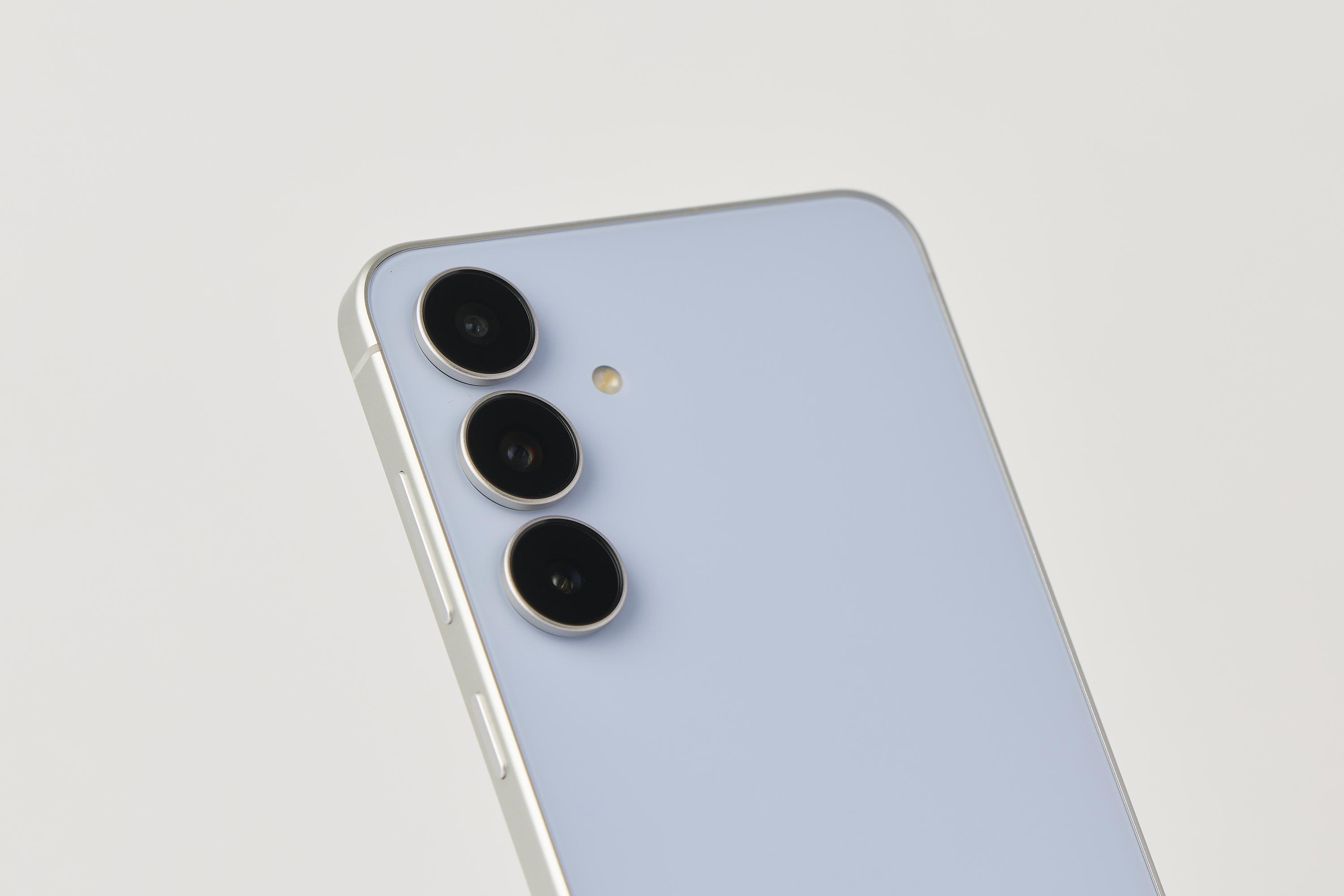
The camera setup is solid: 50MP main with OIS, 12MP ultra-wide, 8MP telephoto (3x optical zoom) and 12MP selfie. The Photos are sharp, and Samsung’s ProVisual Engine AI does a good job cleaning up noise and improving low-light performance. Video benefits from Super HDR and smart tools like Audio Eraser and Instant Slow-mo.
But the results aren’t dramatically better than last year’s S24 FE and certainly don’t reach the heights of the Galaxy S25 or S25 Ultra.
Battery life is a bright spot. The 4,900mAh cell comfortably pushes through a full day, and with 45W wired charging (65% in about 30 minutes), it refuels quickly. Wireless charging and reverse wireless charging are also included – something not all mid-range rivals can claim.
The design mirrors the S25, with a refined Armor Aluminium frame and Gorilla Glass Victus+ front and back. At 190g and 7.4mm thick, it feels premium in the hand, with IP68 water and dust resistance rounding out the package.
Pricing is another question mark for the S25 FE. At A$849, it’s not exactly cheap, and with the standard Galaxy S25 available for under A$1,000, the savings are slim.
That means buyers are giving up a brighter screen, faster performance and a slightly more refined camera system just to keep a hundred quid in their pockets.
On top of that, rivals in the same bracket like Google’s Pixel 9 or even Samsung’s own discounted Galaxy S24 models offer strong alternatives with fewer compromises.
Verdict
The Galaxy S25 FE delivers exactly what Samsung promised – a more affordable entry point into the Galaxy AI ecosystem. The software experience is excellent, the design feels premium and battery life is dependable.
But the compromises, particularly the dim display and middling performance gains over last year’s FE, make it hard to recommend at its current price. Unless you’re desperate to save that A$150 compared to the Galaxy S25, most buyers would be better off stretching for the full flagship.
Pros:
- Excellent Galaxy AI and software experience
- Solid battery life with fast wired and wireless charging
- Useful camera AI tools like Generative Edit and Audio Eraser
- IP68 water/dust resistance
Cons:
- Dim display
- Throttled performance under heavy use
- Incremental camera upgrades over last year’s FE
- Price vs. value questionable