Retiring JB Hi Fi Boss Joins Top Retailers To Slam Victorian Government Work From Home Campaign
 David Richards
31 Aug 2025
David Richards
31 Aug 2025
Australia’s largest retailers are preparing to confront the Victorian Government over its plan to legislate work-from-home (WFH) rights, with industry leaders warning the proposal is a politically motivated overreach that risks jobs, productivity, and investment in the state.
Premier Jacinta Allan has unveiled a draft policy that would enshrine the right for private-sector employees, not just public servants, to work from home for at least two days a week. The move has been positioned by the government as a way to modernise workplace laws and reflect post-pandemic flexibility trends. But retail chiefs argue it ignores the realities of frontline workforces and imposes a “one size fits all” framework on businesses that have already adapted to staff needs.
Retailers Push Back
JB Hi-Fi chief executive Terry Smart, whose business spans JB Hi-Fi, The Good Guys and Victorian-based e&s, said the mandate is unnecessary and politically driven.
“Not sure why the government needs to mandate this, other than to get votes,” Mr Smart said. “We already have the flexibility to do what is right for our people and our business. Mandating doesn’t improve that. It risks complicating things for companies that are already managing productivity and staff wellbeing effectively.”
Wesfarmers chief executive and managing director Rob Scott (seen below) is one of Australia’s most influential business leaders, overseeing Bunnings, Kmart, Target and Officeworks – argued that legislating WFH rights misunderstands how retail actually operates.
“Over 90 per cent of our workforce cannot work from home because they are in stores, distribution or manufacturing facilities,” Mr Scott said. “Flexibility is something we support, but it should be handled at an enterprise level, taking into account the type of work, the needs of the business and the expectations of customers. Trying to regulate this across the board will be problematic and, quite frankly, counterproductive.”
Woolworths Group CEO Amanda Bardwell, while measured in her response, made clear that frontline staff are central to the retail model.
“As a retailer, our teams are in stores serving customers – and that’s what customers expect,” she said. “While flexibility is important, for many roles in retail there is no substitute for being physically present.”
Executives from Coles, Wesfarmers, JB Hi-Fi and other major employers are understood to be working together behind the scenes to lobby against the proposal, describing it as unworkable and “a naked grab for votes” ahead of the next state election.
Rising Costs, Rising Frustration
The policy fight comes at a time when Victorian retailers say they are already under siege. Rising operating costs, a surge in retail crime, and mounting state taxes are squeezing businesses.
Retail theft has escalated into what industry insiders describe as an organised crime wave, with gangs targeting high-value goods and in some cases intimidating or assaulting staff. JB Hi-Fi and The Good Guys trialled facial recognition technology to identify repeat offenders, but the program was scrapped after objections from unions and privacy advocates, supported by the Victorian Government.
Executives accuse the government of turning a blind eye to escalating theft while burdening retailers with new compliance costs. “It feels like we are being asked to carry the costs of failed law-and-order policies while also having workplace laws dictated to us,” said one senior retail source who asked not to be named.
Debt and Political Pressure
Victoria’s finances add another layer of tension. Net debt is forecast to blow out to $194 billion by 2028 – more than all other states combined – as rising interest rates push up borrowing costs. Analysts say the government is relying heavily on new taxes and levies to plug budget gaps, further straining businesses that already contribute billions in payroll and GST.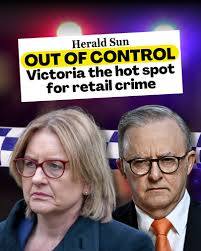
Small retailers have branded the government’s fiscal strategy “a joke”, arguing that rather than creating conditions for growth, Labor has doubled down on politically popular but economically risky measures.
Premier Allan’s WFH plan was announced just weeks after a Newspoll showed her government holding a 53–47 two-party-preferred lead but recording low personal approval ratings. Only one in four voters said the government deserved re-election, and Allan’s net satisfaction rating sat at –31.
“The timing is no coincidence,” said one senior executive. “This is about shoring up public support, not about managing the economy or supporting business.”
National Implications
The dispute may not stay confined to Victoria. Treasurer Jim Chalmers and senior Labor ministers in Canberra have publicly aligned themselves with unions on WFH flexibility, with the ACTU recently pressing for a national rollout of guaranteed remote-work rights at the Albanese government’s economic reform roundtable.
Business leaders fear the Victorian plan could become a test case for wider reforms, setting a precedent that unions will attempt to replicate nationally.
“This is the kind of policy that sounds good in a headline but doesn’t survive contact with real businesses and real workers,” said a retail industry analyst. “If it spreads nationwide, it could impact productivity in sectors where flexibility is already being managed responsibly without government interference.”
Election Stakes
With the state election due on November 28 next year, the fight over WFH rights could become a defining issue in the business community’s relationship with the Victorian Labor government.
Executives are warning that while they remain committed to Victoria, further regulatory overreach, combined with soaring taxes and crime pressures, may force companies to reconsider future investments.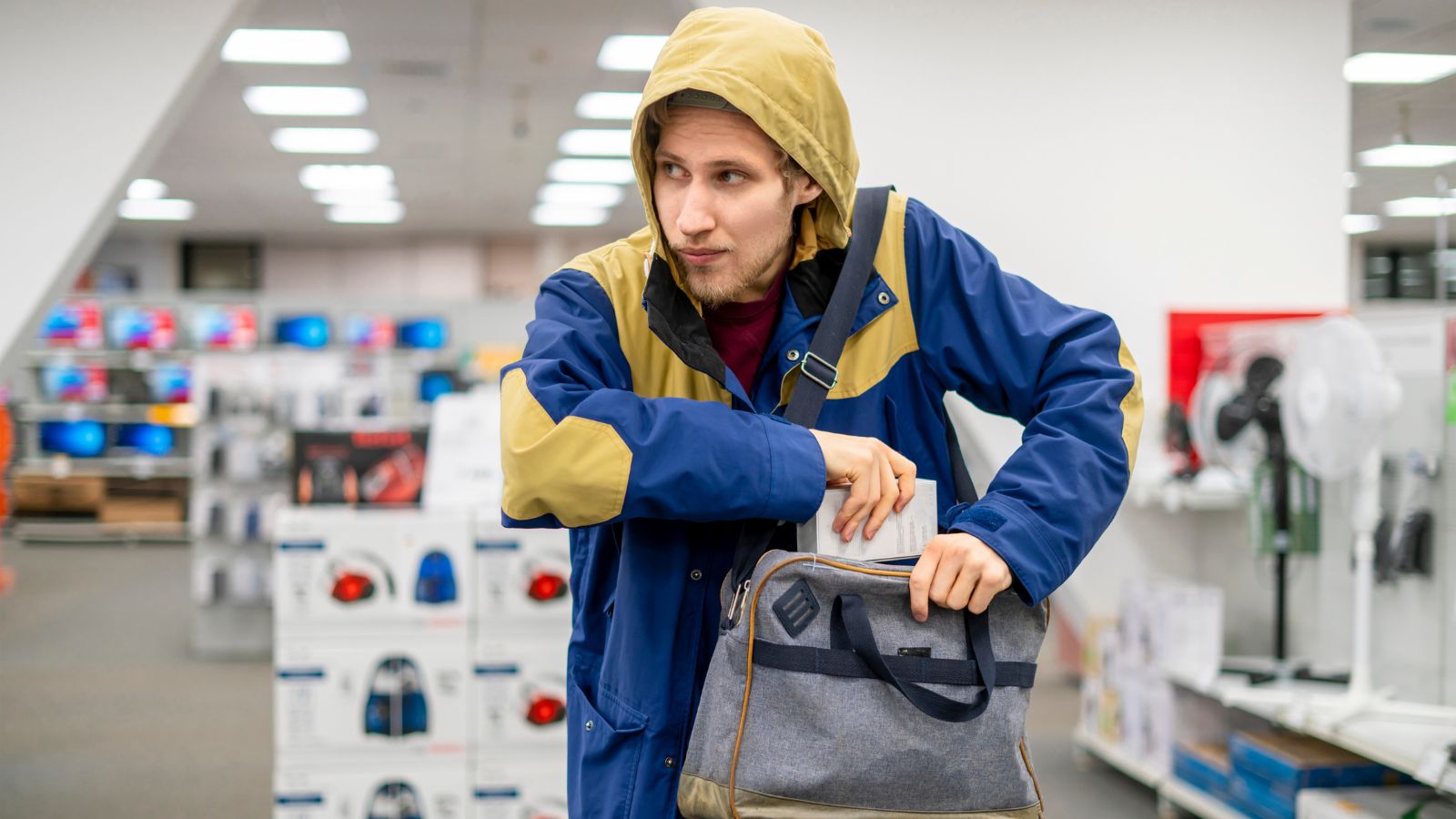
“This is not about resisting change,” said Wesfarmers’ Rob Scott. “It’s about making sure change actually works for businesses and workers, rather than being imposed in ways that ignore reality.”
For Premier Allan, the clash with retail leaders highlights a broader balancing act: keeping unions and voters onside while attempting to stabilise state finances and reassure businesses. But as the backlash grows, Victoria risks becoming a battleground not only for workplace policy but for Labor’s broader economic credibility.