RBA Lifts Rates Again, Retailers Brace for Grim Final Quarter
 David Richards
03 Nov 2026

The Reserve Bank has delivered its fifth rate rise of 2026 just weeks out from Black Friday, and the retailers who need that sales weekend most are the least equipped to absorb the hit.
The Reserve Bank of Australia has lifted the cash rate by 0.25 percentage points to 4.85%, the fifth increase this year and the highest setting since the 2008 global financial crisis.
The Monetary Policy Board backed the move in a six-to-three vote.
The decision lands on mortgage holders less than a month before Black Friday, the sales event many discretionary retailers have been counting on to rescue a soft year. On a typical $600,000 mortgage, today’s move adds roughly $100 a month to repayments.
Retail Slowdown Already Underway
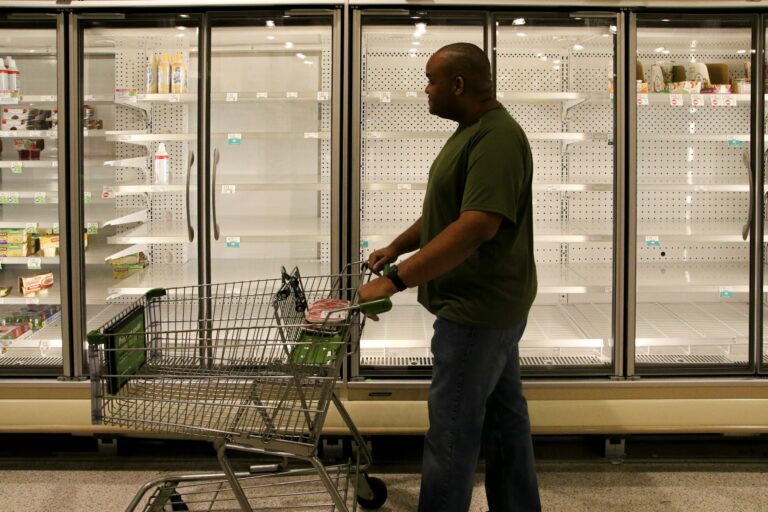
Retailers had warned ahead of the announcement that another increase could weaken Black Friday and Christmas spending, with consumers already delaying purchases and businesses absorbing higher costs.
Recent trading updates from JB Hi-Fi, Bunnings and Super Retail Group suggest the slowdown has already started.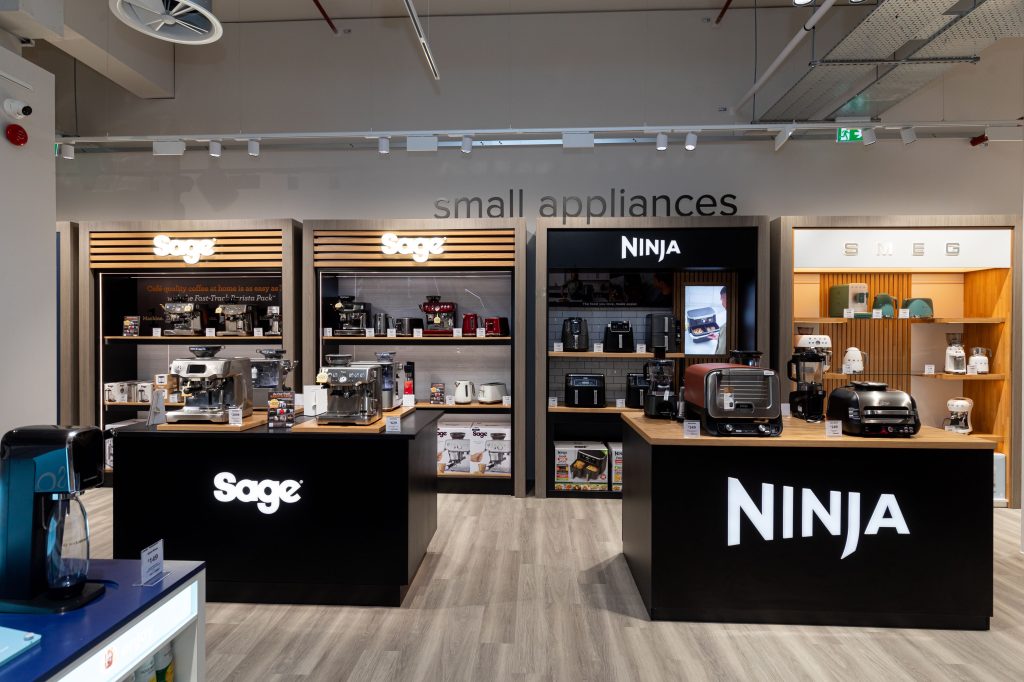
The Australian Retail Council (ARC) has warned that today’s Reserve Bank interest rate rise will further squeeze household spending as retailers enter the crucial Black Friday and Christmas trading period.
The Reserve Bank increased the cash rate by 25 basis points to 4.85 per cent, its highest level since November 2008 and the fifth increase this year.
ARC Chief Economist Glenn Fahey said the increase would compound pressure on businesses already facing higher borrowing, freight, wages and operating costs, while leaving customers with less to spend.
“Another rate rise could hardly come at a more difficult time for retailers and the households they serve,” Mr Fahey said.
“There will be families now reassessing their Christmas budgets, while retailers are heading into their most important trading period with stock ordered, staff and bills to pay.
“For many small businesses, this period builds the cash reserves that carry them through the quieter months. The consequences of a disappointing ‘peak season’ can last well into the following year. It can be make or break.”
Fahey warns that the persistently high level of inflation continues to be a source of concern, but also that recently released figures pointed to a mixed picture on what’s contributing to recent rises.
Annual inflation rose to 4.3 per cent, with housing and transport the largest contributors. However, clothing and footwear prices fell 2.7 per cent. Furnishings, household equipment and services fell 0.6 per cent, and food and non-alcoholic beverage prices were unchanged.
Mr Fahey said the burden of bringing inflation under control was falling unevenly across the community.
Political Pressure
The decision came as Prime Minister Anthony Albanese was in the Caribbean, where he was photographed sharing a joke with King Charles. For households facing higher repayments, and for retailers banking on a Black Friday lift, the news was no laughing matter.
Ahead of the announcement, NSW Premier Chris Minns said the Reserve Bank should not “stop … dead” the economy in its fight against inflation.
The RBA sets the cash rate independently of government.
Why the RBA Moved
Inflation remains well above the midpoint of the RBA’s 2% to 3% target band. Last week’s September-quarter consumer price index came in hotter than expected, showing broad price pressure across the basket, and the result swung all four major banks behind a November hike.
Oil continues to trade above US$100 a barrel, adding to the pressure on policymakers.
This year the RBA has been among the most aggressive central banks in the developed world in raising borrowing costs.
What’s Next
Governor Michele Bullock will hold a media conference at 3.30pm AEDT. Markets expect her to keep a hawkish tone and repeat that rates may need to rise further if inflation does not ease as forecast.
The banks are split on what follows. CBA and NAB see 4.85% as the likely peak, Westpac flags a rising risk of a February move, and ANZ warns the cash rate could reach 5.10% in December or February. CBA does not expect cuts until August 2027 at the earliest.
Commentary: Black Friday Just Became Make or Break
This is the worst possible timing for consumer electronics and appliance retailers.
Big-ticket categories are the first purchases households defer when repayments rise. A new TV, a laptop upgrade or a premium fridge can wait. A broken washing machine cannot. Expect the market to shift further toward replacement-only buying, with shoppers trading down to cheaper brands and leaning harder on interest-free and buy now, pay later offers.
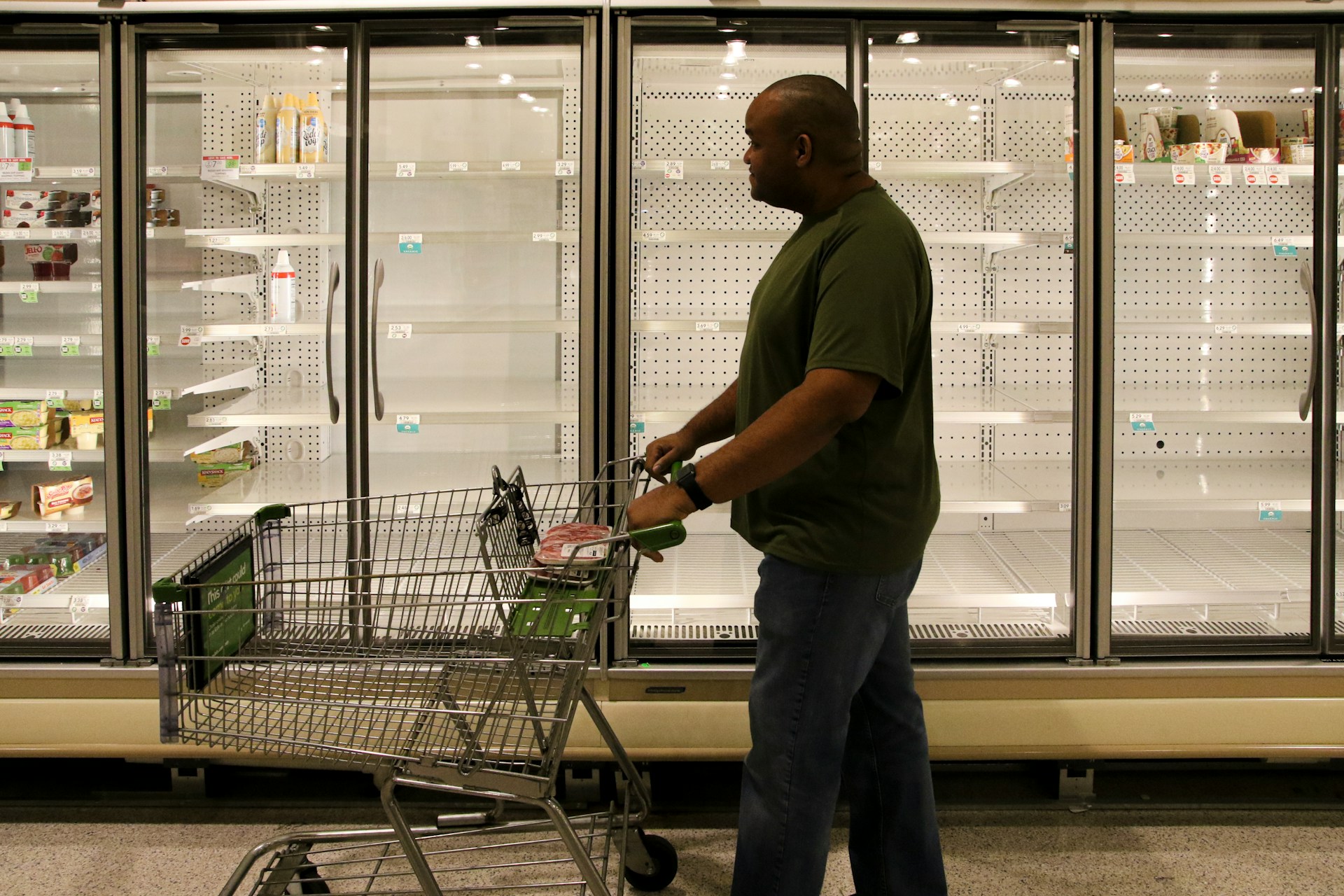
That puts enormous weight on Black Friday. Retailers will discount earlier and deeper to pull volume through the door, but that protects turnover, not margin. And with costs rising on every line of the P&L, from freight and wages to energy and rent, margin is exactly what many can no longer afford to give away.
There is a second problem. Black Friday has been cannibalising December for several years now, pulling Christmas spending forward into November. A strong Black Friday this year may simply mask a weak December, and retailers who read a good November as a recovery risk overstocking into January.
The large, well-capitalised chains will get through this. The pressure falls on the independents and mid-sized operators already stretched on cash, and on the suppliers extending them credit. The ARC’s administration numbers were climbing before today’s decision. With no rate relief realistically on the table until well into 2027, the first quarter of next year is when the real damage is likely to show.