Counterfeit HDMI Products Putting Retailers At Financial & Legal Risk
 Emma Wheaton
03 Nov 2026
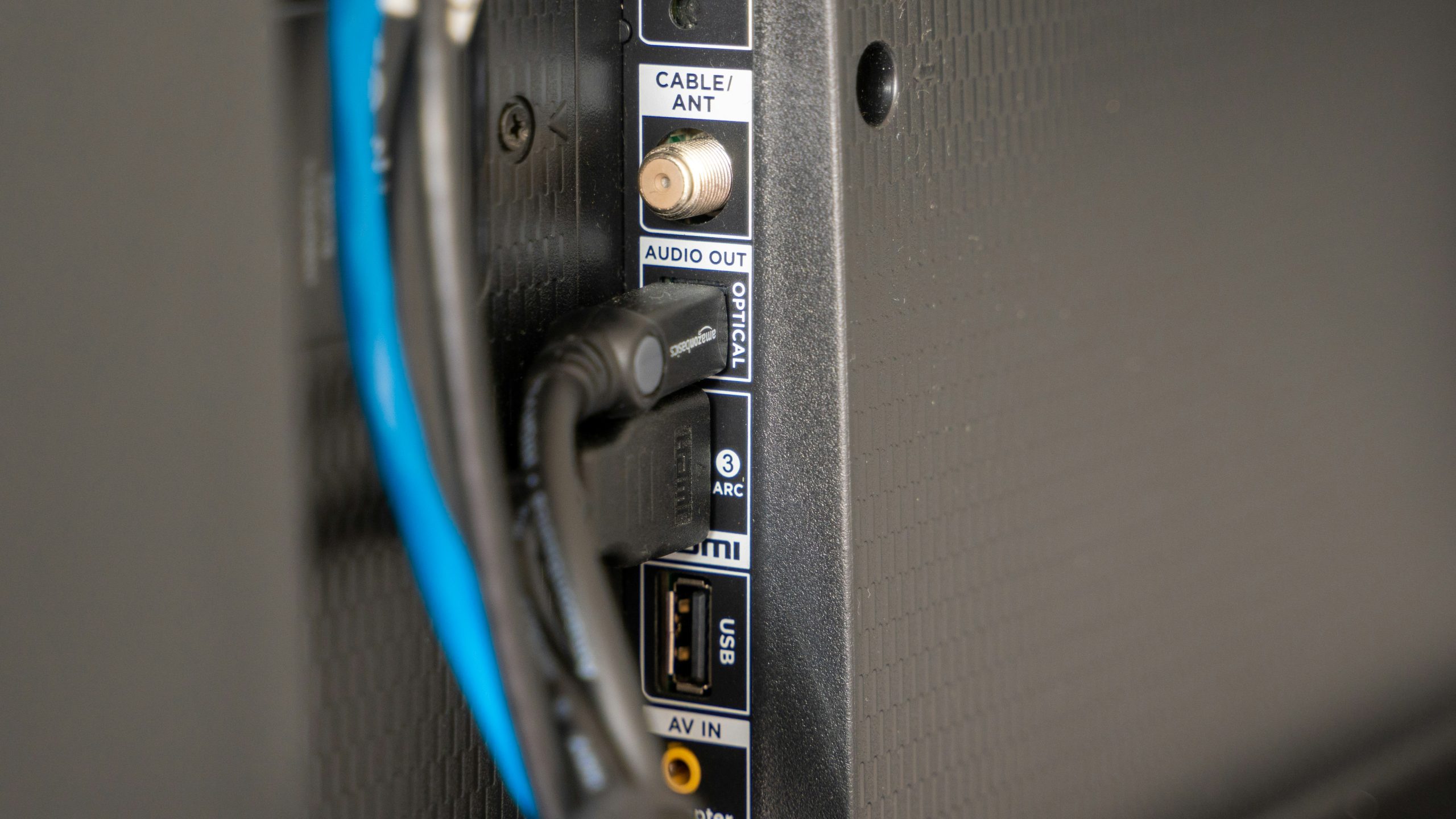
Fake HDMI cables and accessories can create costly problems for retailers, industry authorities are warning.
Selling unlicensed products can expose businesses to legal action, financial penalties, product recalls and lasting reputational damage.
The warning comes from HDMI Licensing Administrator (HDMI LA), which says retailers need to take greater care when sourcing HDMI products and ensure suppliers can demonstrate that their products meet the required licensing and compliance standards.
While counterfeit HDMI products may look almost identical to genuine cables and accessories, they can deliver poor performance, fail prematurely and potentially create safety risks.
For retailers selling these dodgy products, the financial consequences can extend well beyond handling a customer return.
Under standard supplier agreements, manufacturers and distributors are generally required to warrant that their products comply with applicable laws, including safety and environmental regulations.
These agreements are designed to protect retailers and allow them to impose penalties, reject deliveries and recover costs.
However, HDMI LA warns that these protections may have little practical value when dealing with counterfeit suppliers who can simply disappear once a problem emerges.
Retailers could be left carrying the cost of removing products from shelves, managing customer complaints, arranging recalls and dealing with legal claims.
The organisation also raises the importance of intellectual property licensing in modern consumer electronics.
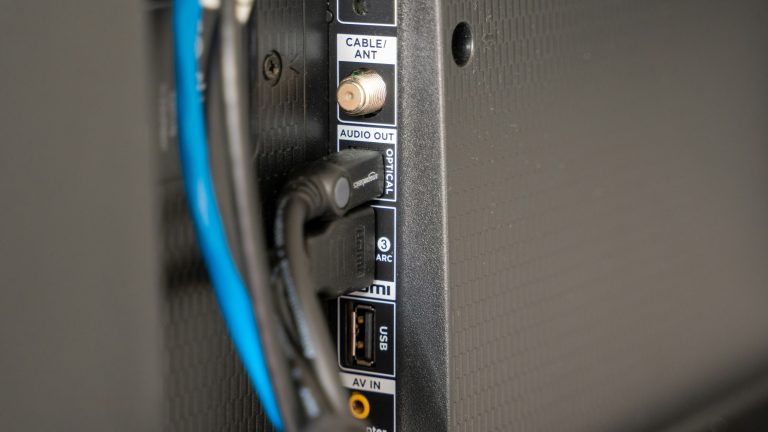
HDMI is one of a number of technologies used by televisions, computers, gaming consoles and other devices. Legitimate manufacturers must obtain the necessary licences and ensure their products comply with the relevant technical specifications.
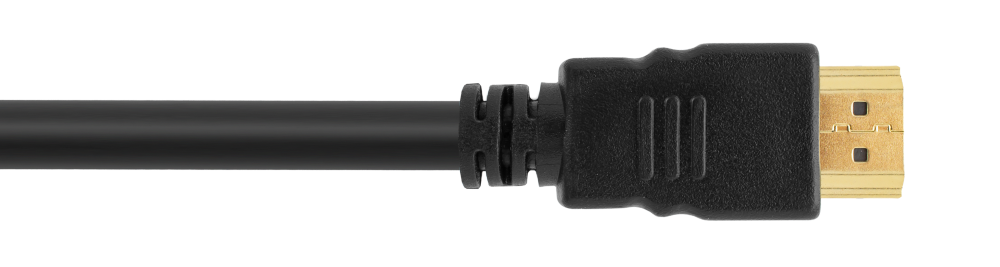
Genuine HDMI products undergo testing at authorised HDMI testing centres. Retailers are encouraged to request official HDMI Authorised Test Centre certification from suppliers.
Manufacturers of the fake versions, by contrast, may bypass these requirements, typically leading to products of a lower standard and quality.
This can lead to a number problems, for example, with video quality, compatibility and connectivity.
Warranty support is another concern. Counterfeit products usually lack legitimate manufacturer backing, leaving retailers and consumers with limited options when equipment fails.
HDMI LA says retailers should strengthen supplier checks, insist on genuine licensed products and report suspected counterfeits.
The organisation also provides an anonymous reporting facility through its website at hdmi.org/resource/infringe.
The warning is a reminder to retailers that sourcing cheaper cables and accessories can create costs that far outweigh the initial savings.
Counterfeit HDMI equipment is an international issue, Australian retailers are not immune.
Under the Australian Consumer Law (ACL), retailers and suppliers have obligations relating to product safety and consumer guarantees. Manufacturers and importers can also face product liability claims if defective products cause injury or damage.
Businesses may face penalties, recalls and regulatory action if products breach applicable mandatory safety standards.
Retailers cannot simply avoid responsibility by blaming an overseas supplier. They need to ensure the products they sell meet their Australian legal obligations and that their supply chains are properly vetted.