Cyberattack Destroys Millions In Food As Hackers Hijack Supermarkets in Europe
 Emma Wheaton
03 Nov 2026
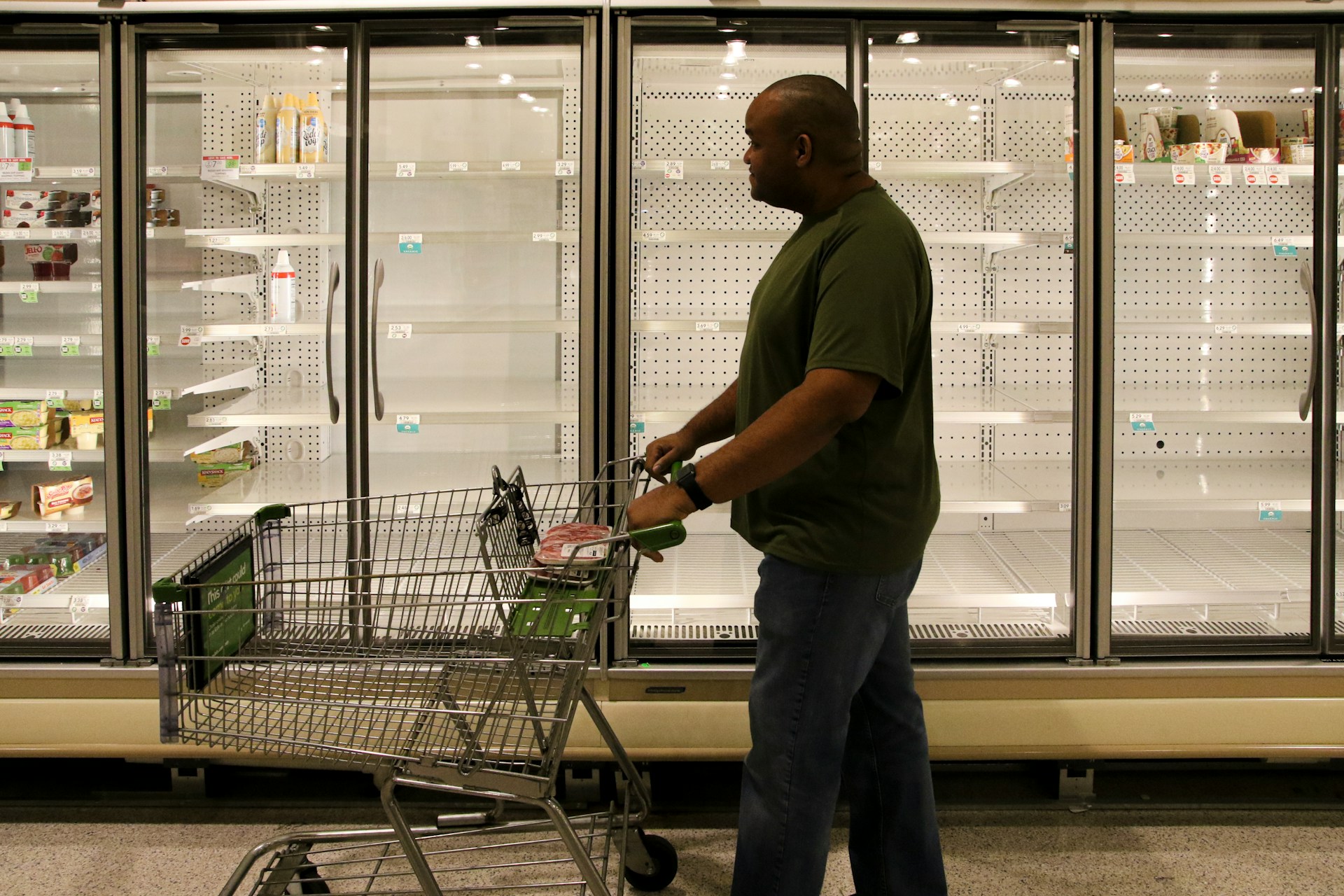
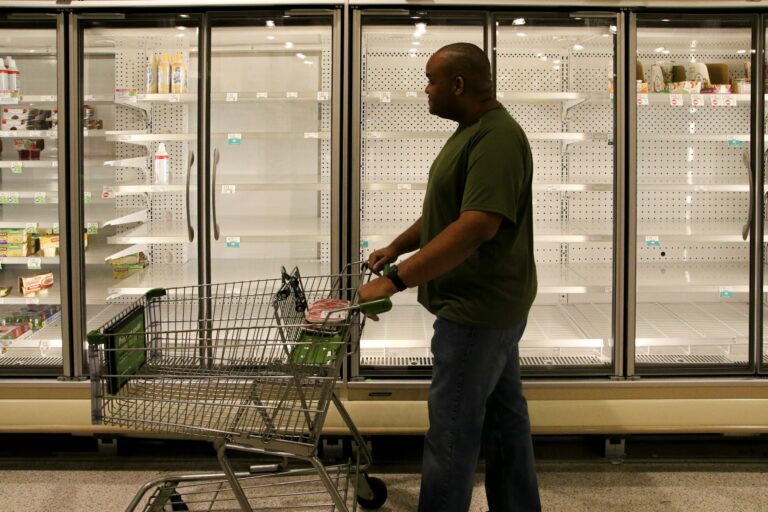
Supermarket freezers and refrigeration systems across Europe have been hijacked by hackers in a cyberattack that pushed appliance temperatures as high as 50 degrees Celsius, destroying millions of euros of food.
The latest cyberattack has affected supermarkets in at least seven European countries, including Belgium, Sweden, Ireland, Luxembourg, the Netherlands, Estonia and Finland.
It follows a series of similar attacks just last month.
The attacks targeted refrigeration management systems and allowed hackers to remotely adjust temperatures in supermarket fridges and freezers.
According to reports, most recently, around 40 Delhaize stores in Belgium and Luxembourg were affected, along with ICA and Coop supermarkets in Sweden and 13 SuperValu stores in Ireland.
Reportedly, Carrefour and Spar stores in Belgium were also impacted.
In some locations, staff arrived to find refrigeration units pumping hot air into storage cabinets, with frozen and refrigerated products already ruined.
One Delhaize store in Hoeilaart, Belgium, reportedly had to dispose of approximately €100,000 worth of food after the incident.
The latest attacks follow a similar incident in France in October, which saw around 400 supermarkets affected by hackers also targeting refrigeration control systems.

Major retail groups including Carrefour, Intermarché, E.Leclerc, Monoprix and Coopérative U were among those dealing with the disruption to refrigeration equipment as well as significant food losses.
In that attack, as reported earlier, some French stores also reported small fires and the financial damage was estimated to run into millions, potentially tens of millions, of euros.
Danish refrigeration technology company Danfoss was linked to the earlier French incidents, with some affected systems reportedly running older equipment that was no longer receiving security updates.
Cybersecurity specialists have warned that internet-connected operational technology, like those that control refrigeration, building management systems and other industrial equipment, can create opportunities for attackers when security protections are inadequate.
Authorities have yet to identify who is behind the latest attacks, and no group has publicly claimed responsibility.