COMMENT: While Albanese Partied With Union Mates, The US Slapped A 12.5% Tariff On Australia, Now Retailers Face A Fresh Fair Work Assault
 David Richards
24 Jul 2026
David Richards
24 Jul 2026
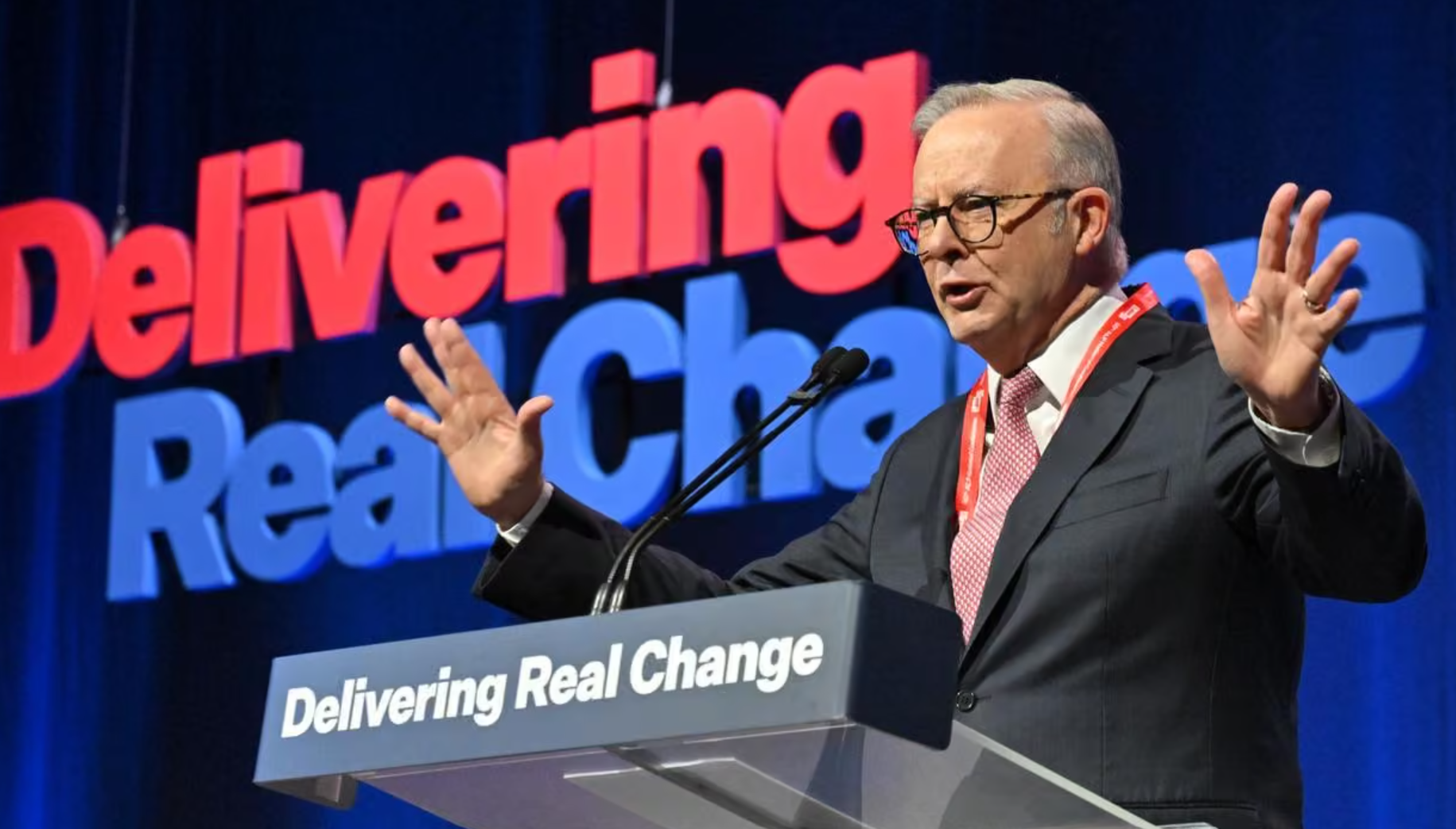
While Prime Minister Anthony Albanese was cuddling up to his union mates at Labor’s National Conference in Adelaide, the Trump administration was moving to slap a 12.5% tariff on Australian goods, and the union movement was banking yet another win set to hammer retailers and their suppliers.
The double blow could not have come at a worse time for the retail and consumer electronics industry, with retailers such as JB Hi-Fi, Harvey Norman and Winning Appliances now staring down a new specialist Fair Work court, soaring wage compliance costs and a Federal Government that appears to have been asleep at the wheel on trade.
Clueless In Canberra
The bad news on tariffs was delivered by the Office of the United States Trade Representative, with the Albanese Government appearing clueless as to the scale of the impending hit, tariffs ranging from 10% to 12.5% on imports from 60 economies, including the European Union, Japan and the Labor-run United Kingdom.
After months of investigation, the US administration concluded that these economies, Australia among them, had failed to prevent goods produced with forced labour from entering their supply chains.
The Albanese Government, which already has a poor relationship with the Trump administration, now stands accused of allowing goods manufactured with forced labour to be shipped into Australia from China, among them products from consumer electronics, networking and appliance companies.
This is not a minor diplomatic spat. The US is treating inadequate forced labour controls as an unfair trade practice, and Australian exporters are the ones set to pay the price for Canberra’s inaction.
Unions Slapping Themselves On The Back
Back in Adelaide, the unions were applauding the rollout of plans for a new specialist employment court to deal with underpayment claims, a significant win for the union movement and a fresh headache for every retailer and supplier in the country.
The move is widely seen as a mechanism for unions and workers to extract more money from retailers and their suppliers, businesses already facing serious headwinds from Labor policies that are pushing up the cost of goods, with costs imposed on retailers ultimately passed straight through to struggling families.
The GRIA Time Bomb
The Federal Court’s recent GRIA decision is arguably the biggest structural hit retailers have taken in years.
Woolworths estimates its additional liability for remediation of salaried store team leaders at $180 million to $330 million, with further hearings still to come.
The five peak employer bodies, ACCI, the BCA, Ai Group, the ARA and the NRA, have jointly warned the decision means salaries can no longer offset award entitlements on an annual basis, ending longstanding practice across most industries and delivering higher costs, heavier compliance burdens and reduced productivity.
The ARA argues that salaried team members earning $90,000-plus must now be treated like hourly juniors, pushing retailers away from salaried arrangements altogether.
A specialist Fair Work court makes these claims cheaper and faster to run. Serious questions are already being asked about how judges and commissioners will be chosen, and whether any of them will have genuine employment or commercial business experience.
Rulings against retailers could hit the likes of JB Hi-Fi, Harvey Norman, Winning and every appliance and CE retailer running salaried store managers.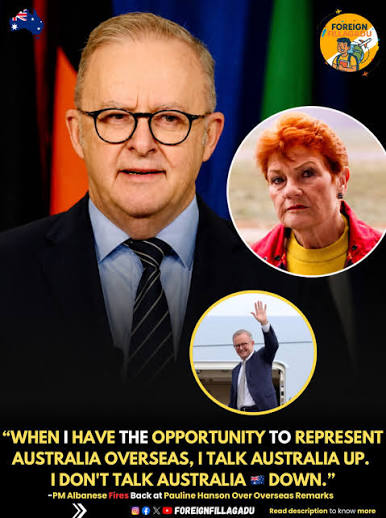
Suppliers Cop It Too
On the supplier side, add the Government’s competition agenda: around $30 million in extra ACCC funding for enforcement against pricing practices in supermarkets and retail, plus the Unfair Trading Practices Act passed in 2026 targeting big businesses accused of squeezing smaller suppliers.
The unions claim they are simply restoring balance after years of wage theft scandals.
Retailers say the combination of a 4.75% wage rise, the penalty rates law, the GRIA ruling and now a specialist court is compounding cost and compliance pressure at the worst point in the cycle, with consumers the ultimate victims of poor Labor Government policy.
What Happens Next
The court’s actual design is still months away, and that design will determine which reading wins.
What will be worth watching is the ARA and JB Hi-Fi submissions when consultation opens.
Union lobbying at the Labor conference has already banked wins. After more than a year of ARA back-and-forth with the Fair Work Commission over the retail award, a process unions branded an attack on penalty rates, the Albanese Government simply legislated to protect penalty rates, with the ARA calling it heavy-handed legislation based on a fiction.
That law effectively kneecapped the retailers’ award-simplification case.
The SDA and the ACTU now have the momentum, and a specialist Fair Work court hands them a cheaper enforcement pathway. For retailers and their suppliers, the message out of Adelaide is clear: brace for more.