Premium Audio Squeeze: Ageing Buyers, Collapsing Channel, Brands Going Direct
 David Richards
09 Nov 2026

Australia’s specialist hi-fi channel is being squeezed from every side, with an ageing customer base, a distributor in administration, shuttered magazines and suppliers including Sonos and KEF moving to sell around dealers, as global forecasts show premium audio volumes won’t recover until 2029.
Specialist retailers are still selling to a buyer base largely over 50, while younger consumers struggle to find the stores and treat Sonos as the baseline for premium sound.
The pressure was on display at the recent StereoNET Audio Show in Melbourne, where one observer described the crowd as an “older audience, tyre kickers who come to see if their current system is still relevant”.
Global Volumes Falling, Prices Propping Up Value
According to Futuresource Consulting, global luxury audio shipments fell 5.2% to 510,000 units in 2025, with retail value slipping to $2.8 billion.
Futuresource forecasts a further 1.1% fall in shipments in 2026 to 504,000 units. Retail value is expected to rise 1.6% to $2.84 billion, driven largely by price rises, many of them 10–15%.
“Luxury audio is not returning to growth in a single wave,” said Guy Hammett, senior market analyst at Futuresource Consulting.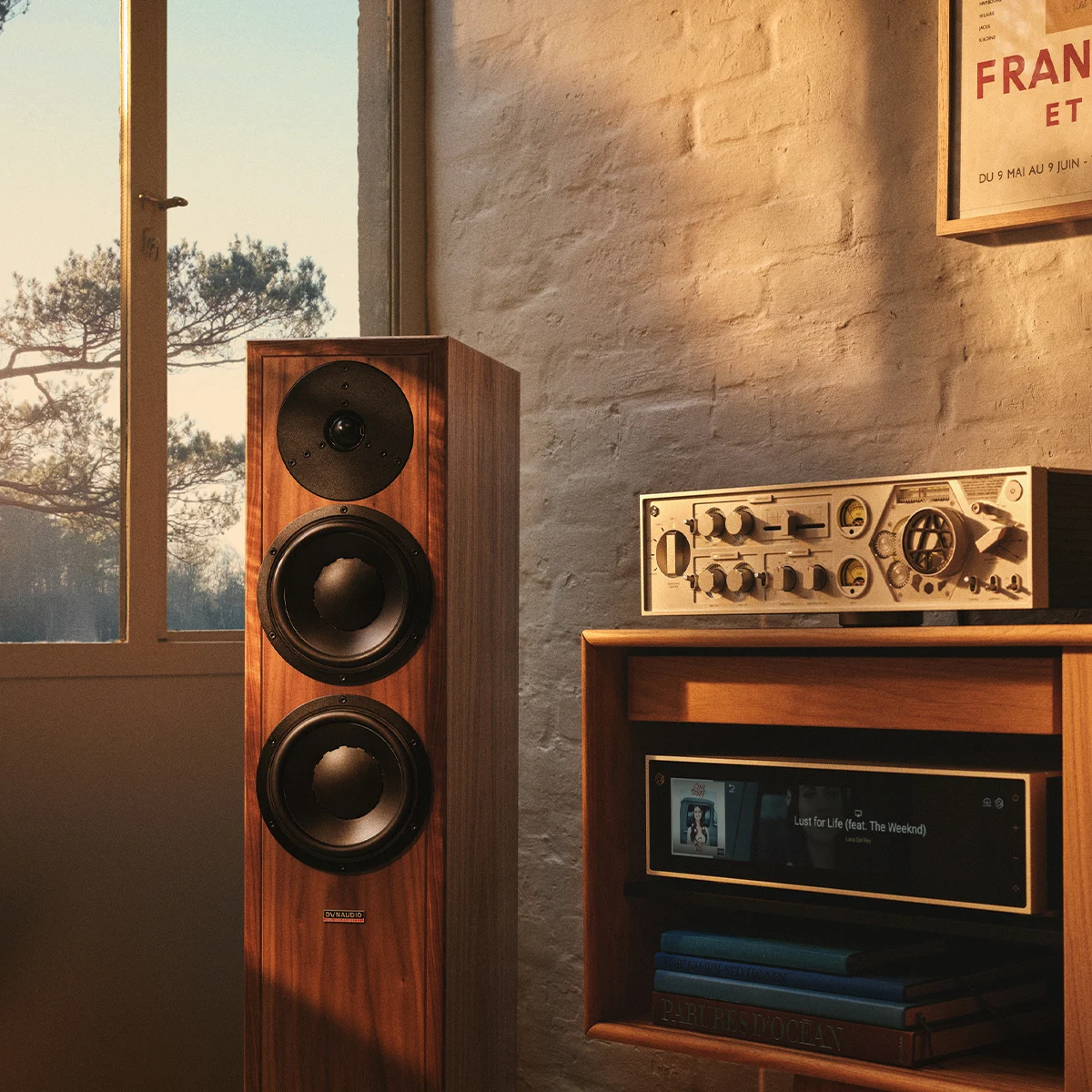
“Many enthusiasts are keeping their existing systems for longer, but spending at the top of the market remains comparatively resilient. This is allowing value to regain momentum before volumes, with growth increasingly concentrated around products that offer genuine differentiation.”
Shipments are not expected to return to 2024 levels until 2029. Futuresource projects 567,000 units by 2030, a 2.1% compound annual growth rate from 2025, with retail value growing at 4% a year.
The Middle Is Hollowing Out
Futuresource says buying behaviour is splitting by price tier.
Buyers of loudspeakers priced between roughly $10,000 and $30,000 a pair are the most exposed to economic uncertainty, with some delaying upgrades or turning to the secondhand market.
Above roughly $40,000 a pair, demand remains comparatively stable, underpinned by exclusivity, craftsmanship, personalisation and design.
Streaming amplifiers and active loudspeakers, which combine premium build with simpler control, are pulling in both new buyers and existing enthusiasts looking to cut system complexity.
“Product relevance is now one of the clearest dividing lines between winners and underperformers,” Hammett said. “Customers do not need to replace a luxury audio system simply because something newer is available. Brands must give them a compelling reason to upgrade, whether through better performance, thoughtful integration, distinctive design, or a genuinely stronger ownership experience. Even then, knowledgeable dealers and dependable after-sales support remain critical.”
Big Brands Gaining, Specialists Losing
A ChannelNews survey of the specialist channel found significant stress, with large suppliers such as Harman seen to have grown share over the past year on the back of their scale, R&D investment and a portfolio ranged across both specialist and mass retailers.
Most specialist dealers still merchandise large multi-tier component racks aimed at buyers over 50.
Euromonitor’s Australian research points the same way, with compact connected audio taking ground from traditional hi-fi systems and premium upgrades shifting towards seamless integration rather than full system replacement.
Distributors told ChannelNews that consumers will pay a 20–25% premium to buy locally, but not current local pricing on some brands.
A Bad Year for the Channel
2026 has been a difficult year for premium audio distributors, with several suppliers rethinking model mix, brand portfolios and target customers.
Distributor Cogworks was placed into administration earlier this year amid mounting financial pressure on specialist AV and hi-fi retail.
Future Media closed Australian Hi-Fi, Sound+Image and What Hi-Fi, removing key specialist titles from the market.
StereoNET’s publisher said that without its global expansion and expos, it might also be questioning whether it could keep the lights on.
ChannelNews recently reported exhibitor withdrawals and falling brand participation at the StereoNET Melbourne show, raising questions over whether hi-fi exhibitions still deliver a return.
The July 2024 closure of Canberra’s Duratone Hi-Fi, the longest-running specialist audio store under single ownership, is still cited across the industry.
Suppliers Going Around the Dealers
Premium suppliers are increasingly moving onto the JB Hi-Fi marketplace to reach a wider audience as sales fall in specialist stores.
Advanced Audio, distributor of Chinese brand KEF, which is owned by Hong Kong’s Gold Peak Group, is now selling $9,000 sound systems direct and via the JB Hi-Fi marketplace, a move seen as a blow to specialist dealers.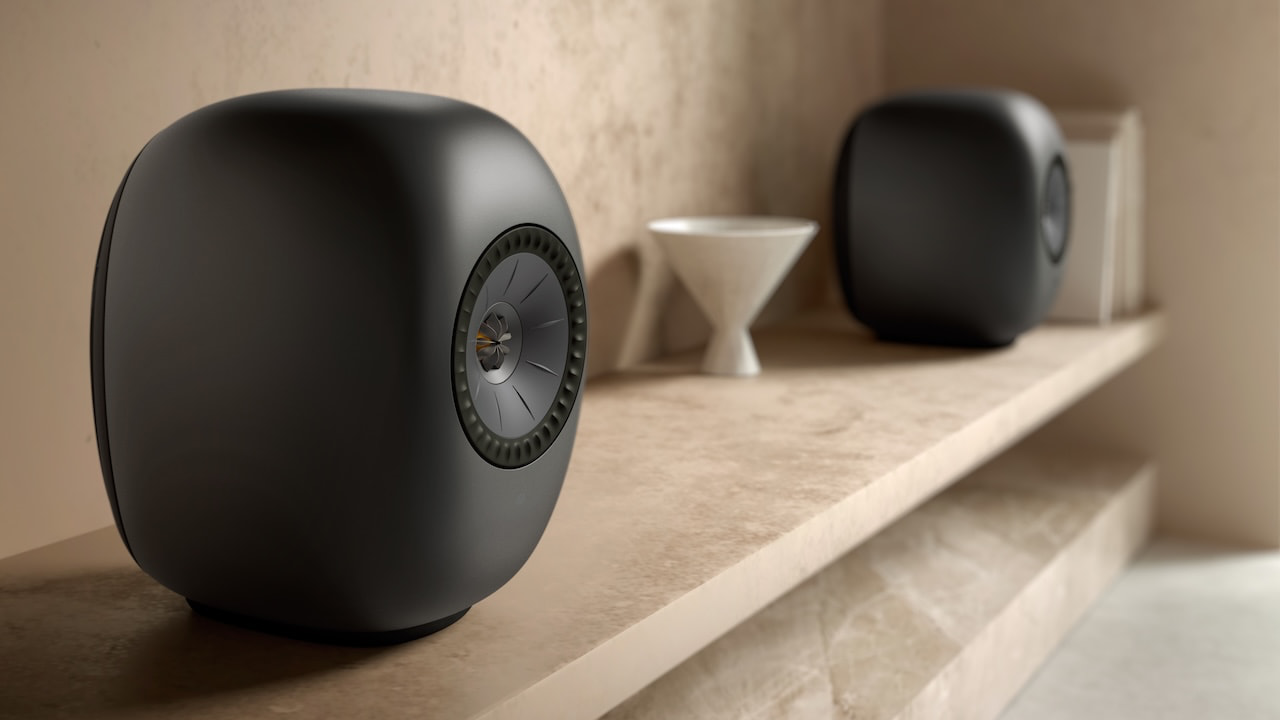
Sonos is also under scrutiny.
In Asia Pacific, where Australia is Sonos’s largest market, quarterly revenue fell to $27.33 million from $28.6 million. Marketing spend was cut from $86.6 million to $59.4 million and retailer support was reduced, unsettling Australian channel partners.
Australian specialist retailers say Sonos has restricted them from selling online, which they describe as a clear strategy to go direct. Many believe Sonos is aiming to cut out retailer margins of up to 35%.
Mass Retail Not Immune
The pressure extends beyond specialists. JB Hi-Fi’s July same-store sales fell 1.4% and The Good Guys’ fell 1.7%. JB Hi-Fi also flagged supplier price rises and stock shortages in some categories.
Futuresource expects loudspeakers and two-channel electronics to account for much of the market’s future value growth, while headphones and wireless speakers drive most of the shipment growth.