PlayStation’s Digital Shift Sparks Fresh Concerns Over Game Ownership
 April Ossington
03 Jul 2026
April Ossington
03 Jul 2026
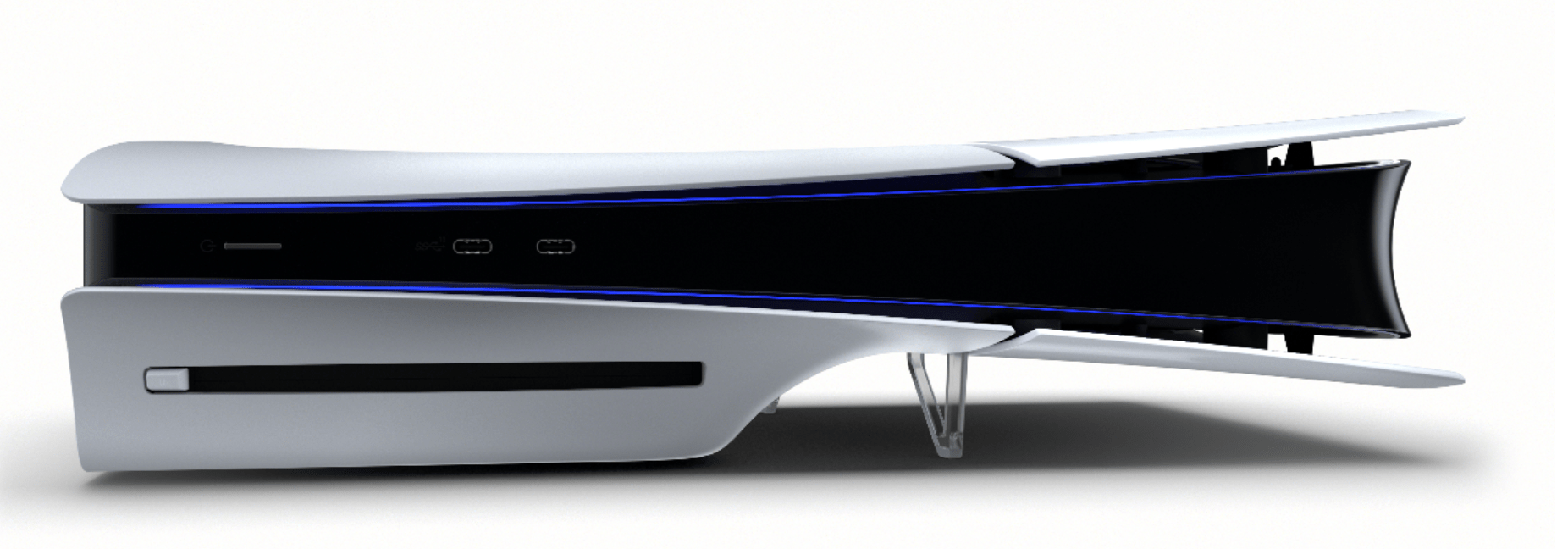
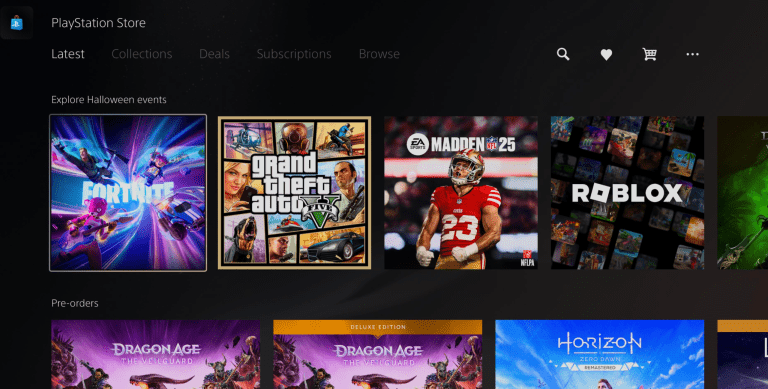
Sony’s move towards an all-digital future is gathering pace, with reports that physical PlayStation game discs could disappear by 2028 now followed by confirmation that the PlayStation Store for the PlayStation 3 and PlayStation Vita will also be phased out.
The latest announcements have reignited debate over digital ownership, game preservation and whether players can truly rely on digital purchases remaining accessible over the long term.
Sony confirmed the PlayStation Store for PS3 and PS Vita will begin closing between August and late 2026 in Latin America and the Middle East before expanding to all remaining regions in July 2027. Once the shutdown is complete, players will no longer be able to buy new digital games or content for either platform.
The company says previously purchased games and downloads will remain available “for the foreseeable future”, although it has not clarified how long that access will continue. The lack of a defined timeframe has prompted concern among players and preservation groups who argue that digital purchases are becoming increasingly dependent on ongoing platform support.
The store closures come shortly after reports that Sony intends to cease production of physical PlayStation 5 game discs by 2028 as part of a broader shift towards digital distribution. If that plan proceeds, future PlayStation owners could become almost entirely reliant on digital storefronts for purchasing and accessing games.
Unlike physical discs, digital purchases are tied to online accounts, licensing agreements and the continued operation of digital storefronts. While digital distribution offers convenience through instant downloads and eliminates the need for physical storage, critics argue it also gives platform owners greater control over how long purchased content remains available.
Physical media continues to provide advantages that digital libraries cannot fully replace. Disc-based games can be resold, traded, borrowed and collected, while also remaining playable even if an online store eventually closes. For archivists, museums and collectors, physical copies also provide an important record of gaming history.
Game preservation advocates have repeatedly argued that the industry has not established adequate legal pathways for preserving digital-only titles once storefronts disappear. Without changes to copyright and digital rights laws, they say many games risk becoming inaccessible once publishers withdraw support.
The latest announcement also follows Sony’s recent removal of 551 StudioCanal films from PlayStation users’ digital libraries in the UK because of licensing agreements. Customers who had purchased the movies lost access without refunds, further highlighting the limitations of digital ownership.
At the same time, Sony is facing legal scrutiny in Europe. A class action in the Netherlands alleges PlayStation’s digital store has charged consumers an average of 47 per cent more for games than comparable alternatives because of its dominant market position.
Sony previously attempted to close the PS3 and PS Vita stores in 2021 but reversed the decision following widespread criticism from the gaming community. This time, however, the company has indicated the closures will proceed.
For many gamers, the combination of digital store closures, the reported end of physical discs and recent content removals raises broader questions about the future of ownership in the digital era. As the industry increasingly embraces digital distribution, players may find they are paying for access to content rather than permanent ownership.