RGB LED Set To Shake Up TV Market As OLED Faces Growing Pressure, Chinese Brands Target Premium Segment
 David Richards
03 Jul 2026
David Richards
03 Jul 2026
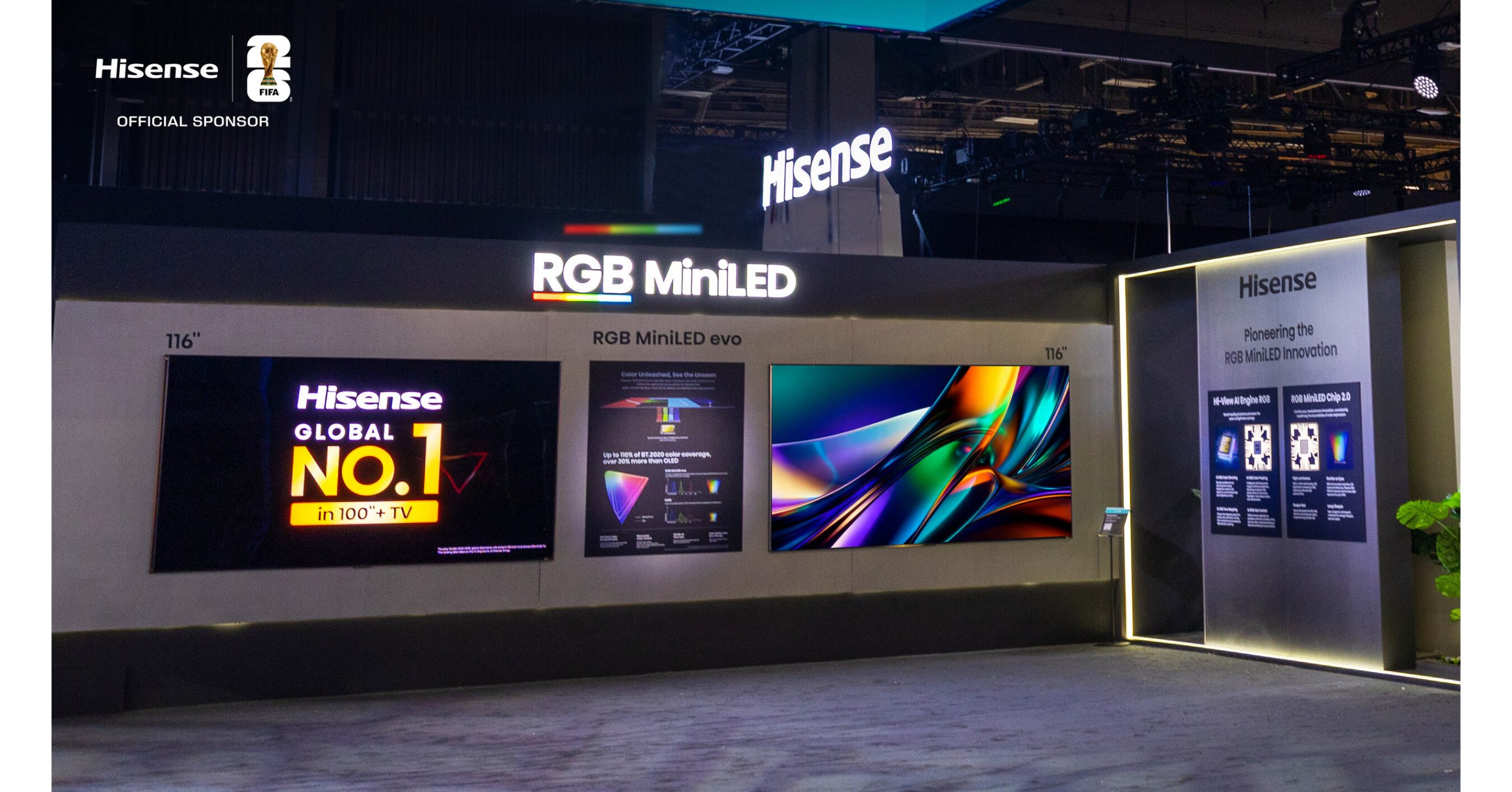
A new battle for control of the premium TV market is gathering pace, with RGB LED technology emerging as the biggest threat yet to OLED as Samsung, TCL, Hisense and other manufacturers prepare for a dramatic shift in consumer demand.
New research from Omdia forecasts that RGB LED TVs will account for 13% of global TV industry revenue by 2030, up from just 3% in 2026, with Australia expected to mirror the global trend as consumers continue to embrace new display technologies faster than many other markets.
The rapid emergence of RGB LED technology comes at a time when the Australian TV market is under intense pressure. Retailers are battling sluggish consumer demand, aggressive discounting of both existing and newly released models, and shrinking margins that industry observers say are “playing havoc” with profitability.
For manufacturers, the answer is clear: move consumers into higher-value display technologies.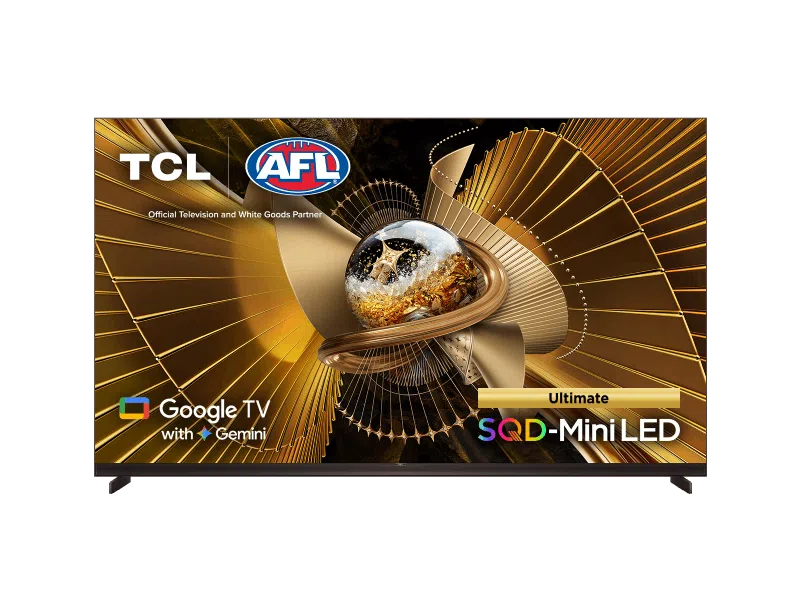
Chinese manufacturers TCL and Hisense are leading the charge, aggressively investing in Mini LED and RGB LED technology as they challenge established premium players. TCL, in particular, is now pursuing a dual strategy by offering both OLED and RGB LED products following significant investment in next-generation display manufacturing.
Industry analysts believe the shift could fundamentally reshape the premium TV landscape over the next five years.
Unlike conventional Mini LED televisions that use blue LEDs combined with quantum dots, RGB LED technology employs independently controlled red, green and blue LEDs as the backlight source. The result is higher brightness, improved colour accuracy, greater energy efficiency and coverage approaching 100% of the BT.2020 colour standard, while avoiding the screen burn-in concerns that continue to surround OLED technology.
Mini LED also continues to strengthen its position by delivering deep blacks, precise local dimming and peak brightness levels exceeding 5,000 nits at significantly lower manufacturing costs than OLED or Micro LED.
The biggest challenge is likely to fall on OLED manufacturers, particularly as RGB LED becomes available in the large-screen sizes consumers increasingly want.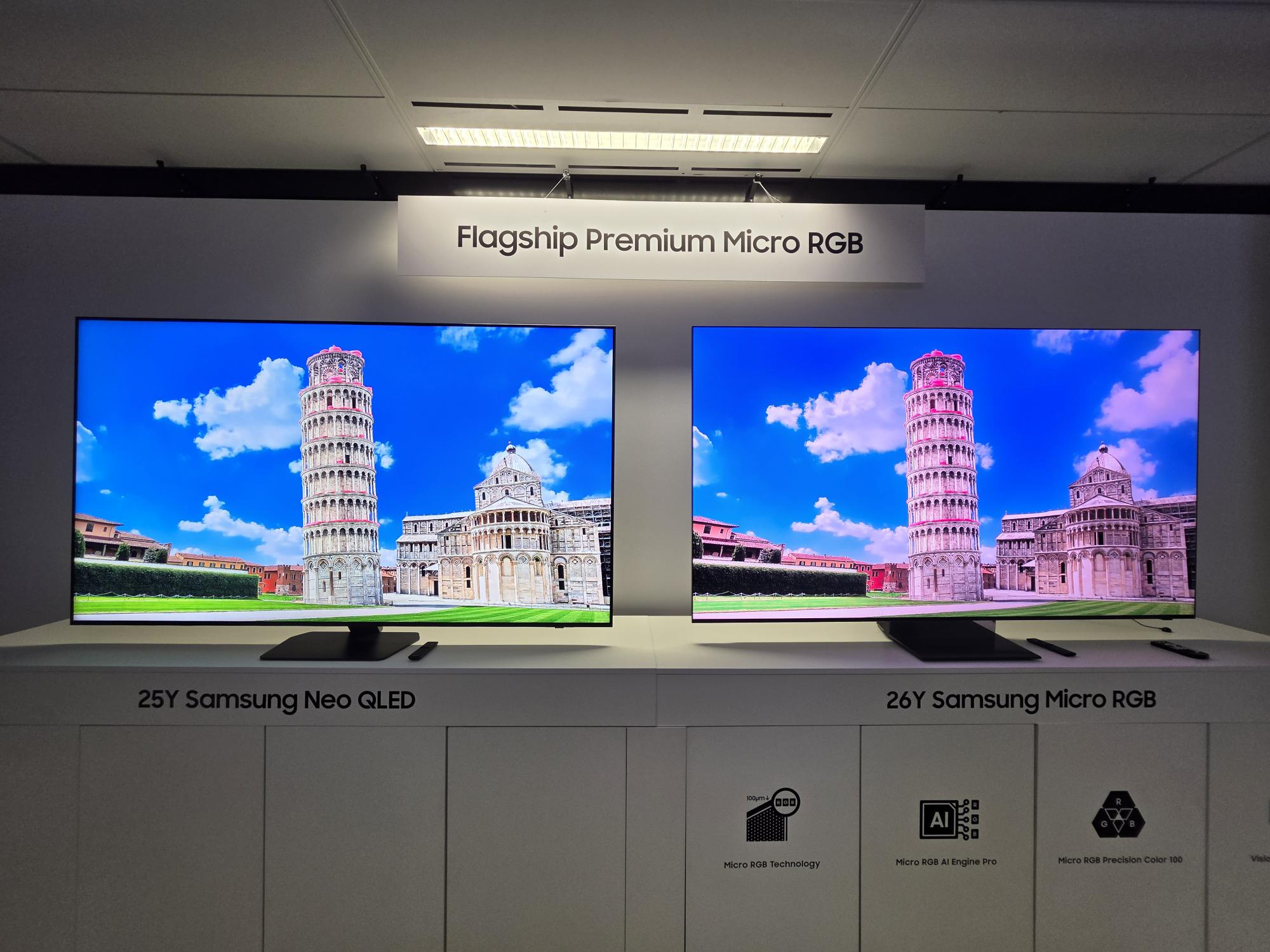
Omdia forecasts that by 2030 almost one in five RGB LED TVs shipped globally will measure 85 inches or larger, equivalent to 1.2 million units. Mini LED will be even stronger, with 24% of shipments, or 7.1 million units, in the 85-inch-plus category.
OLED, by comparison, is expected to remain a niche player in ultra-large displays, accounting for just 0.2% of shipments in the 85-inch-and-above category.
Shipment forecasts further underline the industry’s changing direction.
Global Mini LED TV shipments are forecast to climb from fewer than 18 million units in 2026 to almost 30 million by 2030, an increase of more than 60%.
RGB LED shipments are expected to surge from 1.1 million units to 7.1 million units over the same period, representing growth of more than 500%.
OLED shipments, meanwhile, are forecast to remain largely flat at around 6.9 million units through to 2030, while conventional LED TV shipments are expected to decline by 7%.
Australia is expected to be among the stronger-performing markets for RGB LED adoption due to consumers’ willingness to embrace premium display technologies.
“RGB LED signals a major transformation in the TV set market,” said Patrick Horner, Practice Leader for TV Set Research at Omdia.
“The era of display compromise is coming to an end. Through 2030, the combination of Mini LED efficiency and true RGB LED colour purity will create significant opportunities for panel suppliers and TV brands.
“Panel suppliers can improve yield and profitability, while TV brands can target the premium mass market with larger, brighter and more immersive displays. This is not just a gradual technology update. It represents a key architecture for the next decade of TV industry growth.”
The race is now on to convince consumers that RGB LED, not OLED, represents the future of premium television.