Pixel 11 Leak Reveals Higher Price As Google Battles Ongoing Battery Concerns
 April Ossington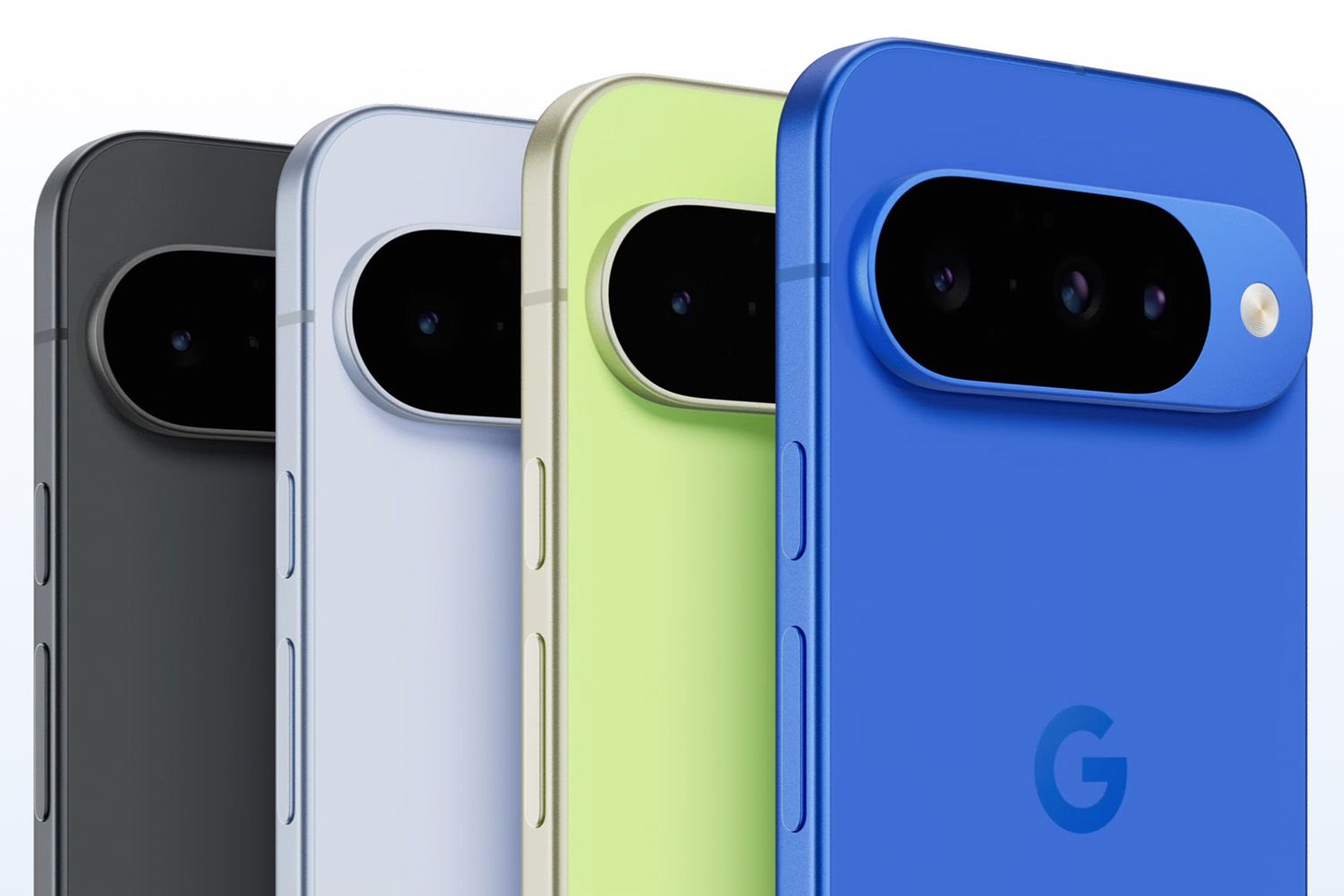
Google’s next flagship smartphone could arrive with a noticeably higher price tag, according to the latest leak, while the company is also attempting to put an end to the battery drain issues that have frustrated many Pixel owners in recent months.
New information published by Android Headlines suggests the standard Pixel 11 will start at US$899, which converts to approximately A$1,375, compared with the Pixel 10’s reported US$799 launch price, or around A$1,220. While that represents a significant increase, buyers may receive more value in the form of additional storage and memory.
The base Pixel 11 is expected to launch with 256GB of storage instead of 128GB, effectively doubling the available space for apps, photos and videos. A 512GB variant is also tipped to remain part of the lineup for users who require even more capacity.
Memory is also set to increase. Leaked specifications suggest the handset will be offered with either 12GB or 16GB of RAM, alongside Google’s Tensor G6 processor and Titan M3 security coprocessor. Although more memory does not automatically deliver faster performance, it should provide greater capacity for demanding applications and on-device artificial intelligence features.
One of the biggest unanswered questions surrounds the camera system. The leaked specifications mention only a 48-megapixel main camera and a 13-megapixel ultra-wide lens, with no reference to a dedicated telephoto camera.
That omission is puzzling because previously leaked renders appear to show three rear camera cut-outs. This suggests either the specification sheet is incomplete or the third opening houses another sensor that has yet to be revealed. Reports also indicate Google plans to retain up to 30x Super Zoom, although it remains unclear how that will be achieved if the standard model lacks a telephoto lens.
Elsewhere, the hardware changes appear relatively modest. The battery is expected to increase only slightly from 4,970mAh to 4,985mAh, while wired charging is tipped to remain at 30W.
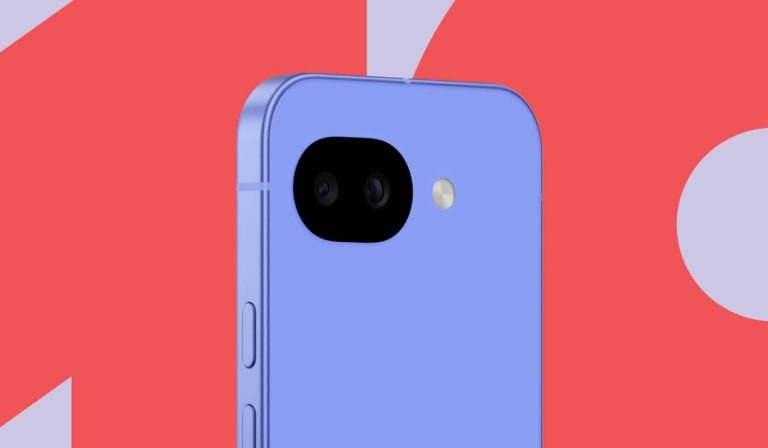
Google Pixel 10a
The focus on battery capacity comes as Google claims it has finally fixed the battery drain bug that has affected numerous Pixel devices since earlier this year.
In a post on its public Issue Tracker, Google confirmed it has addressed a software issue responsible for unusually high battery consumption while phones were sitting idle. The company said the fix is included in the July 2026 software update, build CP2A.260705.006, for the Pixel 9, Pixel 9 Pro, Pixel 9 Pro XL, Pixel 10, Pixel 10 Pro, Pixel 10 Pro XL and Pixel 10a.
Owners of the Pixel 8a and Pixel 9a will have to wait a little longer, with Google saying the fix will arrive as part of the September Quarterly Platform Release.
Google identified the issue as “Severe Idle Drain: kepler_spi_irq_handler & gnss_ipc Suspend Aborts”, a bug that reportedly caused excessive battery loss even when devices were not actively being used.
The announcement follows months of complaints from Pixel owners after software updates released from April onwards appeared to significantly reduce battery life. Some users reported their phones were losing power so rapidly that overall battery endurance was effectively cut in half, despite spending much of the day idle.
Although Google has marked the issue as resolved, many users remain unconvinced.
The company’s Issue Tracker quickly attracted fresh comments from Pixel owners claiming the July update had not eliminated the excessive battery drain on their devices. Others criticised Google for closing the issue before they believed it had been fully resolved.
There is also uncertainty surrounding older Pixel models. While Google has confirmed fixes for the Pixel 9 and Pixel 10 series, along with future support for the Pixel 8a and Pixel 9a, it has not indicated whether the Pixel 7 or broader Pixel 8 family will receive similar updates, despite reports of battery drain affecting those devices as well.
With the Pixel 11 expected to launch at a higher price than its predecessor, prospective buyers will likely be hoping Google has fully resolved these battery concerns before the new handset reaches consumers. Until Google officially unveils the device, questions remain over both its camera hardware and whether its software can finally deliver the battery life users expect.