Penske Files Lawsuit Over Google’s AI Overviews
 Nigel Bowen
15 Sep 2025
Nigel Bowen
15 Sep 2025
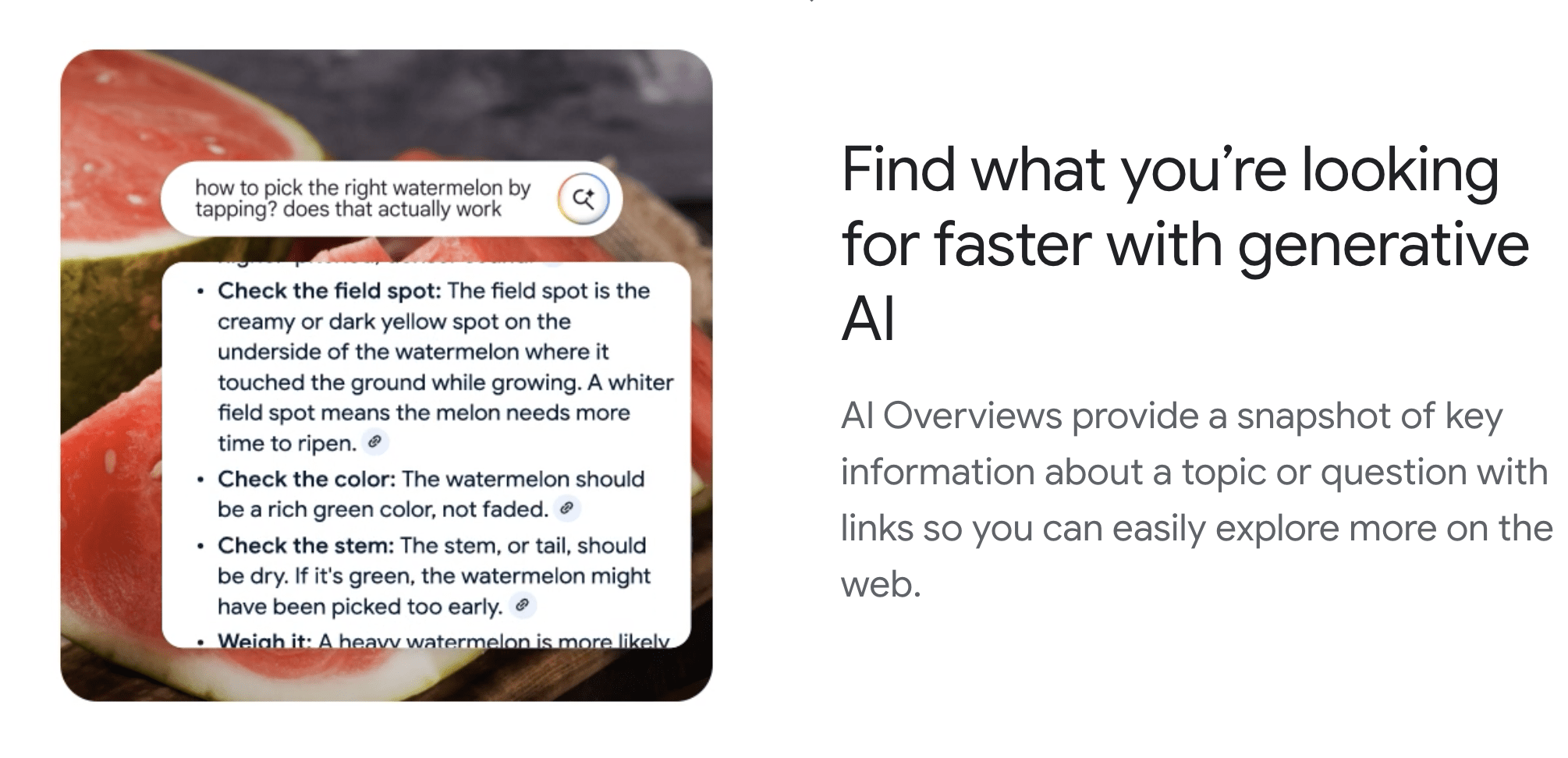
Penske Media, owner of Rolling Stone, Billboard and Variety, has sued Google in federal court in Washington, D.C.
The publisher is accusing Google of using journalism without consent to power its AI Overviews feature.
It’s the first lawsuit by a major US publisher against Google over AI-generated summaries.
Media organisations argue that AI Overviews siphon traffic away from their sites, eroding advertising and subscription revenue.
Penske Media, led by Jay Penske, claims that Google is exploiting its dominance in search to force publishers to allow their content to be included in AI outputs.
A 2024 court ruling found Google held close to 90 per cent of the US search market. Penske argues that visibility in search results is tied to acquiescence, leaving publishers little choice but to do what Google wants.
Without that leverage, Penske claims, Google would need to license articles or pay for training data.
Penske Media claims that about 20 per cent of Google searches that link to its sites now display AI Overviews, a share that is expected to grow.
Affiliate revenue, the company said, has already fallen by more than a third from its peak by the end of 2024.
Google rejects the allegations. Spokesperson Jose Castaneda said AI Overviews make search more useful and broaden discovery, adding the company would defend against what it labelled “meritless claims.”
The lawsuit comes as media companies struggle with AI systems that summarise or repurpose news content.
While OpenAI has signed licensing deals with News Corp, the Financial Times and The Atlantic, Google has been slower to reach similar agreements.
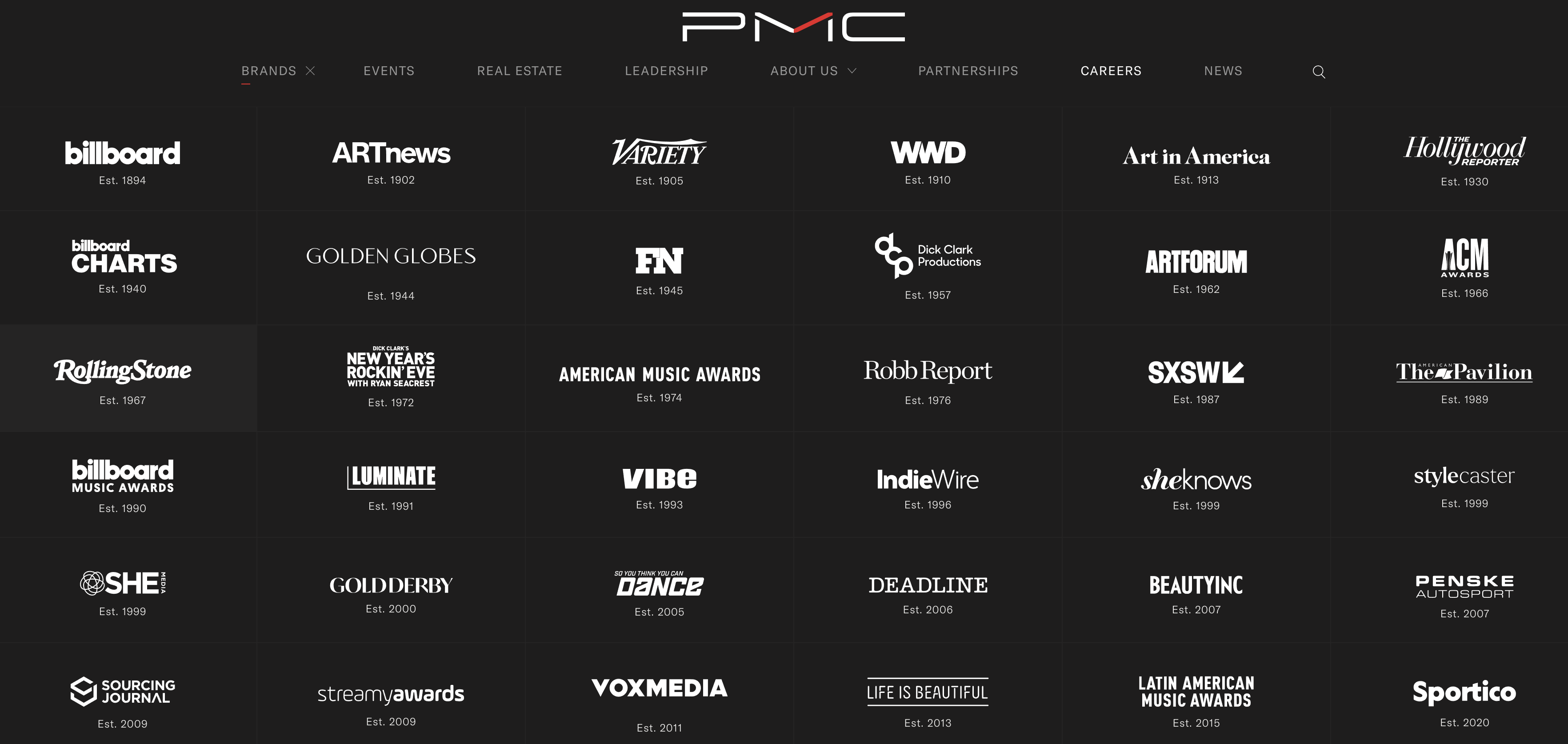
Penske Media has dared to take on the mighty Google, with many media companies cheering from the sidelines
Danielle Coffey, head of the News/Media Alliance – a US trade association representing more than 2,200 publishers – says publishers lack the ability to opt out of AI Overviews.
She argues that Google’s market power lets it sidestep the licensing norms that others, such as OpenAI, have adopted.
The Penske case follows a February suit from education firm Chegg, which also alleged that AI Overviews cut into demand for its original material.
Analysts note the case could prove significant, helping to determine whether AI summaries qualify as fair use or create obligations to license journalism.
The outcome of the case will have significant implications for publishers already facing declining traffic and shrinking ad and affiliate revenues in the age of AI search.
The lawsuits are now piling up for Google. As Channel News reported last week, the tech behemoth is also being taken to court by Pubmatic, which accuses it of illegally monopolising the markets for ad exchanges and ad servers.