Meta Smart Glasses Spark School Bullying and Privacy Concerns
 Emma Wheaton
21 Aug 2026
Emma Wheaton
21 Aug 2026

Meta’s AI-powered smart glasses are facing growing scrutiny over their potential use in schools amid concerns the devices could give students a new way to record, livestream and bully classmates.
The issue comes as the eyewear is growing in popularity. According to Meta, millions of people now use its AI glasses, describing the category as one of the fastest-growing consumer products.
US school authorities are already responding. Polk County Public Schools in Florida issued a notice this month warning parents that students are bringing Meta/Ray-Ban smart glasses and similar wearables to school. The district has banned students from using smart glasses during school due to the concerns over privacy and consent of recording audio and video.
The concern centres on the fact that the glasses make it easy to record another student as the cameras are built into the eyewear and look like regular glasses, creating a potentially powerful tool for school bullying. Footage can be captured and distributed through social media within minutes.
Outside of schools, the technology has already garnered controversy. Reports have documented people being filmed without their knowledge in public places, and videos recorded with Meta’s glasses have also been used for prank and harassment content on Instagram.
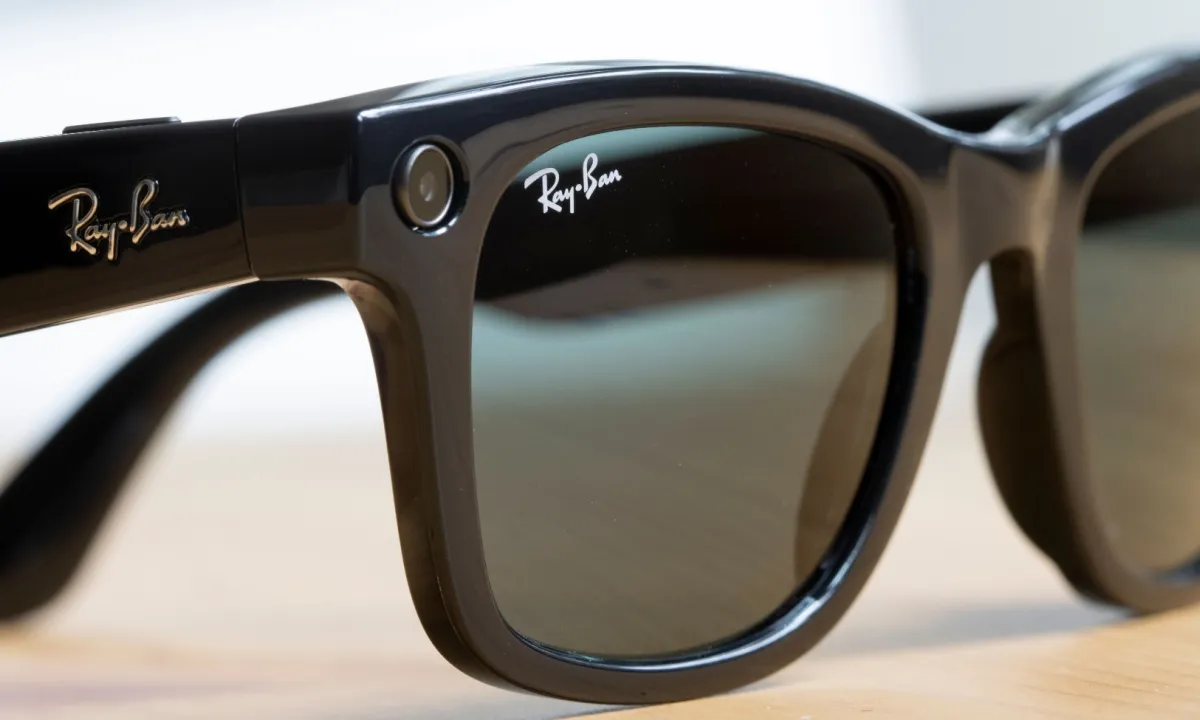
Meta has attempted to address the privacy concerns with its glasses featuring a white capture LED, designed to indicate when photographs or video are being recorded. Meta says covering or disabling the LED automatically disables the camera. Meanwhile, other reports have emerged of people being able to modify the glasses to disable the recording indicator. There is also the additional obvious issue of people simply not noticing the light while being filmed or photographed.
The controversy is particularly worrying for the school environment, with children being vulnerable to control how their images are taken and distributed.
And the issue extends beyond photography. Smart glasses can include microphones, AI assistants and connectivity features, meaning footage can potentially be taken and shared without the physical presence of a smartphone.
Meta has promoted its AI glasses as an accessibility tool and the technology clearly has legitimate benefits, particularly for people who are blind or have low vision. There are features of the glasses that can help users read text and navigate their surroundings, for example.
This presents another challenge for schools which will need to distinguish between useful and unsafe wearable technology use.
As Meta attempts to take smartglasses mainstream, the backlash presents a significant challenge for the company, though concerns around privacy, covert recording and bullying should come as no surprise. It could force schools, workplaces and other venues to introduce restrictions before the category has fully matured.