53 Per Cent Of Australian Women Consider A Smartwatch As Health Coach
 April Ossington
21 Aug 2026
April Ossington
21 Aug 2026
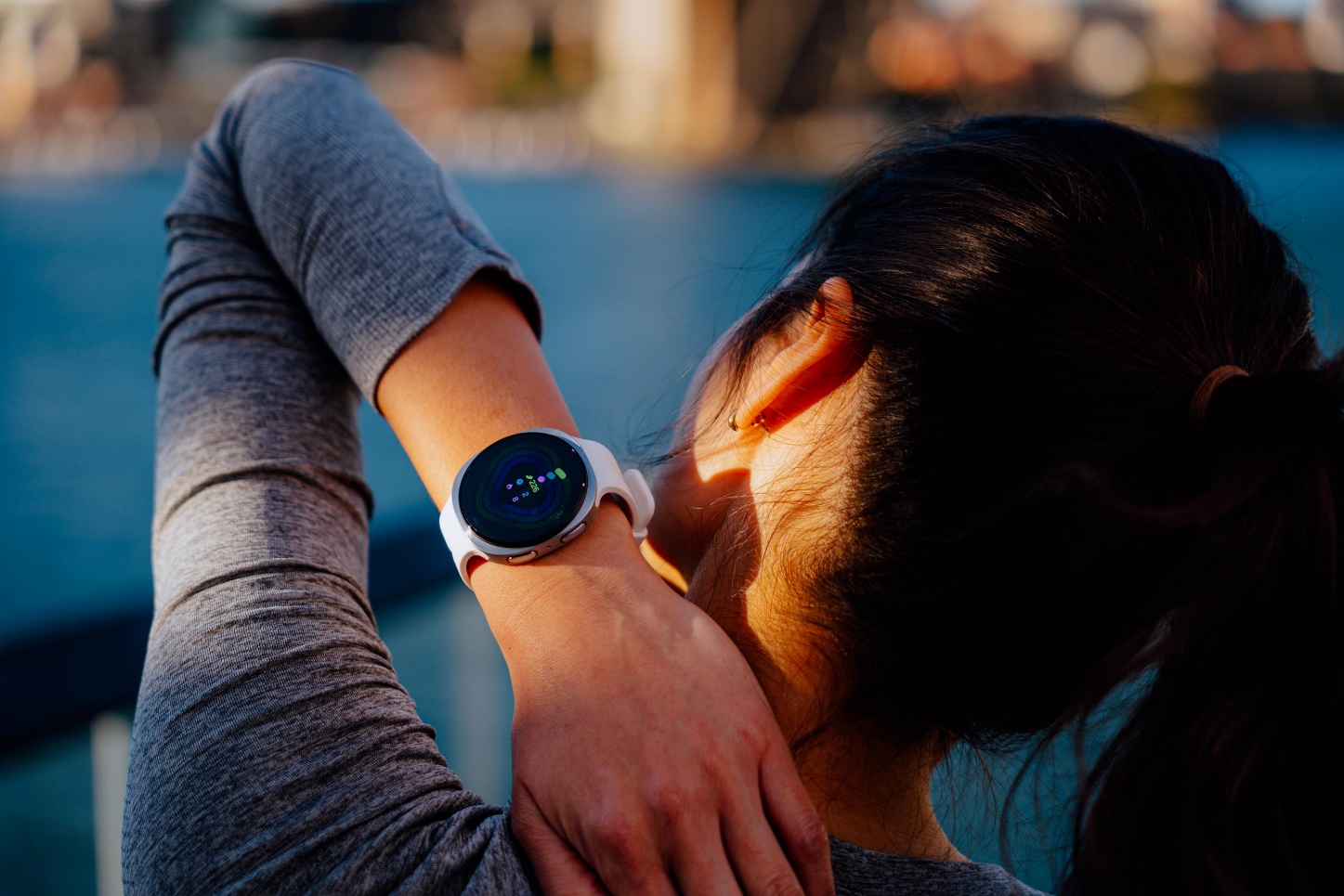
Samsung has launched its Galaxy Watch9 and Galaxy Watch Ultra2 in Australia as new research points to growing demand for wearables that provide personalised health and wellbeing guidance.
According to research cited by Samsung, 53 per cent of Australian women would consider buying a smartwatch that works as a personal health coach, providing assistance with areas including sleep, exercise and general wellbeing.
Women are also emerging as an important market for Samsung’s latest wearables. The company says women currently represent 73 per cent of Australian Galaxy Watch9 40mm users.
The research found 66 per cent of Australian women either own or intend to purchase wearable technology for monitoring health and wellness indicators such as heart rate and sleep. Communication and personal safety features are also among the reasons consumers are considering these devices.
Sleep appears to be a particularly important consideration, with 55 per cent of women surveyed identifying better sleep as a major health goal. Around 30 per cent consider functions such as bedtime guidance and sleep apnea warnings important when choosing a wearable.
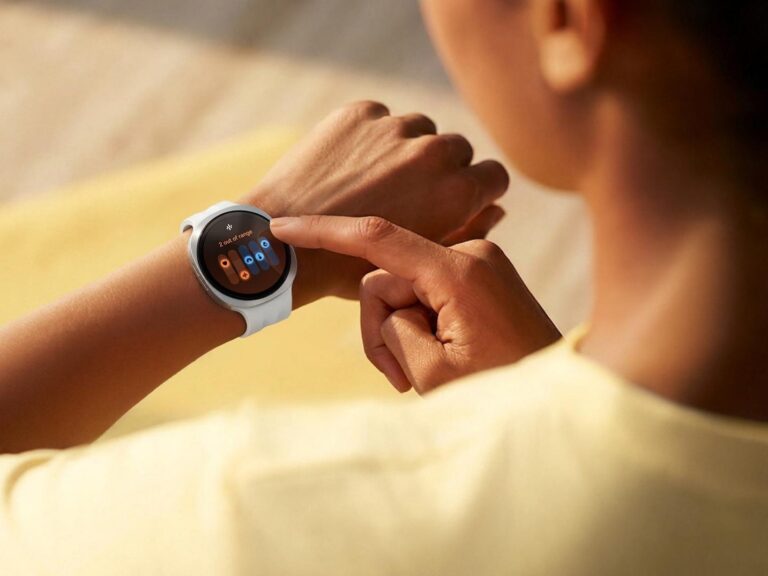
The findings come as consumers increasingly look beyond basic step counting and exercise tracking. Separate research cited by Samsung found 86 per cent of Australians believe health encompasses more than diet and exercise, extending to overall physical and mental wellbeing.
Samsung’s Galaxy Watch9 is positioned as the more everyday-focused model, combining sleep, activity and recovery monitoring with personalised information generated through Samsung Health and Galaxy AI. Samsung has also focused on improving comfort and battery performance for people wearing the device throughout the day and overnight.
The Galaxy Watch Ultra2 is aimed at more demanding users, with additional sports tracking, health monitoring and a tougher design intended for outdoor activities and higher-intensity training.
Both watches reflect the wider shift in the smartwatch market from simply recording health data towards interpreting that information and providing more useful, personalised guidance. For Samsung, that could make health coaching an increasingly important selling point as Australians become more comfortable using wearables to manage their daily routines.